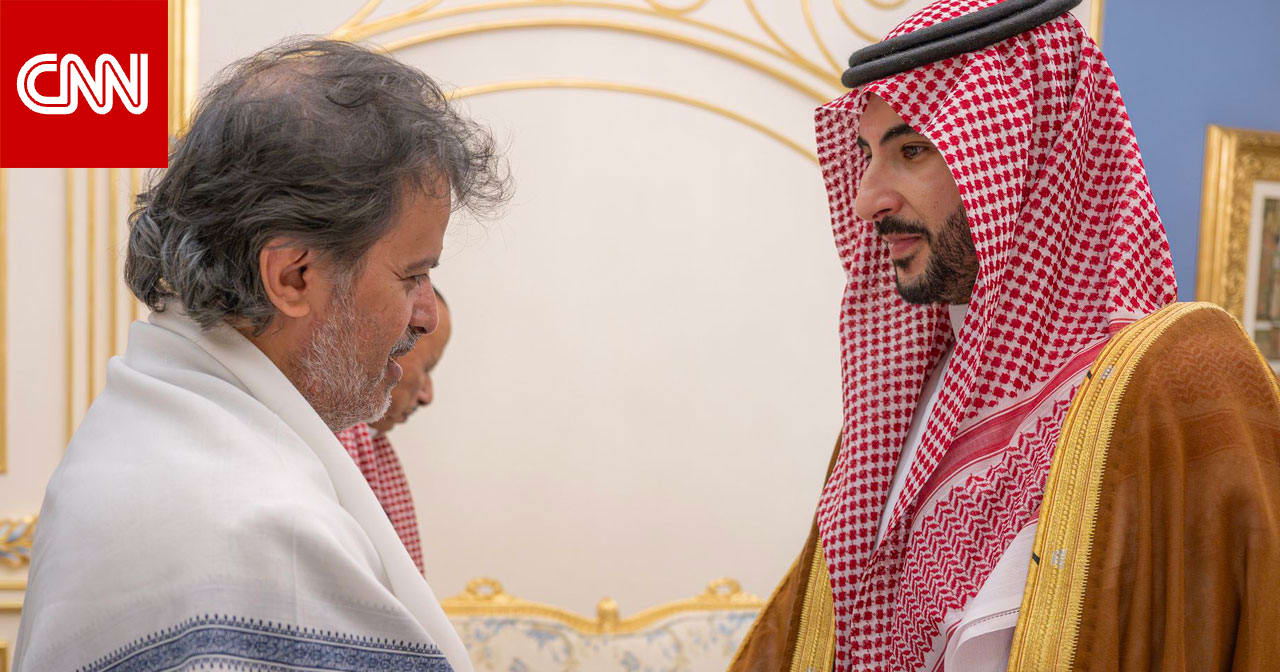
Saudi Officials Offer Condolences to Family of Former Yemeni President Abdrabbuh Mansur Hadi
Saudi Arabian officials, including the Minister of Defense and the Deputy Governor of Riyadh, have formally extended their condolences to the family of former Yemeni President Abd Rabbu Mansour Hadi. This high-level diplomatic outreach underscores the Kingdom’s enduring commitment to Yemeni legitimacy and the strategic partnership essential for restoring stability to the region.
The passing of Abd Rabbu Mansour Hadi is more than a diplomatic formality; it is the closing of a volatile chapter in the history of the Arab Spring. For years, Hadi served as the fragile thread holding together the internationally recognized government of Yemen while the country spiraled into a devastating civil war. His death leaves a symbolic void, but it also highlights a persistent, systemic problem: the precarious nature of transitional leadership in conflict zones.
When a head of state passes during a period of protracted instability, the resulting vacuum often triggers a scramble for authority. This instability doesn’t just affect palaces; it disrupts the lives of millions of displaced civilians and creates a legal nightmare for those seeking asylum or navigating the complexities of international law. For families caught in the crossfire of these political shifts, securing vetted international human rights attorneys becomes a matter of survival rather than a luxury.
A Legacy of Transition and Turmoil
Hadi’s ascent to power was not a traditional climb. He was thrust into the presidency during the 2011 uprisings, tasked with the nearly impossible mission of managing a peaceful transition from the decades-long rule of Ali Abdullah Saleh. It was a period defined by hope, followed swiftly by a descent into chaos as Houthi rebels seized the capital, Sana’a, forcing Hadi into exile.
The Saudi-led coalition’s intervention was predicated on the need to restore Hadi’s government. The condolences now flowing from Riyadh reflect a deep-seated appreciation for his resilience. The Minister of Defense’s personal involvement in delivering these messages signals that the Kingdom views Hadi not merely as a former ally, but as a cornerstone of the legitimacy they have spent years defending.

It was a heavy burden for one man to carry.
The relationship between Riyadh and the late President was symbiotic. Saudi Arabia provided the military and financial scaffolding, while Hadi provided the legal and diplomatic face of the Yemeni state. This partnership was critical for the security of the Bab el-Mandeb strait, a global shipping chokepoint where any prolonged instability threatens international trade and energy prices.
“The death of President Hadi marks the end of the ‘transition era.’ The challenge now is whether the Presidential Leadership Council can evolve from a coalition of convenience into a sustainable governing body that can actually deliver peace to the Yemeni street.”
The Geopolitical Ripple Effect
While the condolences are phrased in terms of loyalty and loss, the underlying current is one of strategic anxiety. The Yemeni conflict has long been a focal point of regional rivalry. With Hadi gone, the focus shifts entirely to the Presidential Leadership Council (PLC). The transition of power within the PLC is not just a domestic Yemeni affair; it is a geopolitical recalibration.
Regional stability is the primary objective. For businesses and NGOs operating in the Gulf, this transition period creates a window of uncertainty. Navigating these shifts requires more than just political intuition; it requires the expertise of strategic diplomatic consultants who can forecast how changes in Yemeni leadership will impact regional trade agreements and security protocols.
The humanitarian cost remains the most pressing issue. According to data from the United Nations, millions of Yemenis remain dependent on aid. The death of a stabilizing figure, however flawed, often leads to a temporary dip in diplomatic momentum, which can delay the delivery of critical supplies to famine-stricken provinces.
The Strategic Framework of Saudi Support
To understand why the Saudi response has been so pronounced, one must look at the long-term goals of the Kingdom’s “Vision 2030.” Saudi Arabia cannot achieve its internal economic transformation if its southern border remains a zone of active conflict. Hadi was the primary vehicle through which Riyadh attempted to stabilize that border.
| Phase of Relationship | Saudi Objective | Hadi’s Role |
|---|---|---|
| 2012-2014 | Managed Transition | Implementing the GCC Initiative |
| 2015-2021 | Restoration of Legitimacy | Head of the Internationally Recognized Govt |
| 2022-2026 | Handover to PLC | Symbolic transition to collective leadership |
The Deputy Governor of Riyadh’s outreach to the Hadi family is a calculated move to ensure that the legacy of the “legitimate government” remains intact. By honoring the man, they are honoring the institution he represented.
Addressing the Vacuum: The Path Forward
The immediate problem following such a loss is the potential for fragmentation among the remaining factions of the Yemeni government. When the central figurehead vanishes, the internal frictions between various military and political wings often surface. This represents where the risk of renewed escalation is highest.
For the international community, the focus must now shift toward strengthening the civic infrastructure of Yemen. This means supporting non-governmental organizations that provide direct healthcare and education, bypassing the volatile political layers that can shift overnight with the death of a single leader.
“We are seeing a transition from individual-led diplomacy to institutional-led diplomacy. The question is whether the institutions in Yemen are strong enough to survive without a singular, recognized figurehead to rally around.”
The world often remembers the titles and the treaties, but the reality of this event is felt in the corridors of refugee centers and the offices of immigration lawyers. As the political landscape shifts in Sana’a and Aden, the need for professional guidance for those displaced by the conflict has never been more acute.
The condolences from Riyadh are a gesture of respect, but they are also a signal of continuity. Saudi Arabia is telling the world—and the internal factions of Yemen—that while the man is gone, the commitment to the recognized state remains. However, history teaches us that legitimacy is not inherited; it is earned through the ability to provide security and basic services to the people.
As the region navigates this transition, the fragility of the peace process remains palpable. The true measure of President Hadi’s legacy will not be found in the formal letters of condolence, but in whether the structures he helped maintain can survive his absence. For those tasked with managing the legal, humanitarian, and strategic fallout of this transition, the road ahead is complex. Finding verified, experienced professionals through the World Today News Directory is the only way to ensure that the chaos of political transition does not become a permanent state of being.