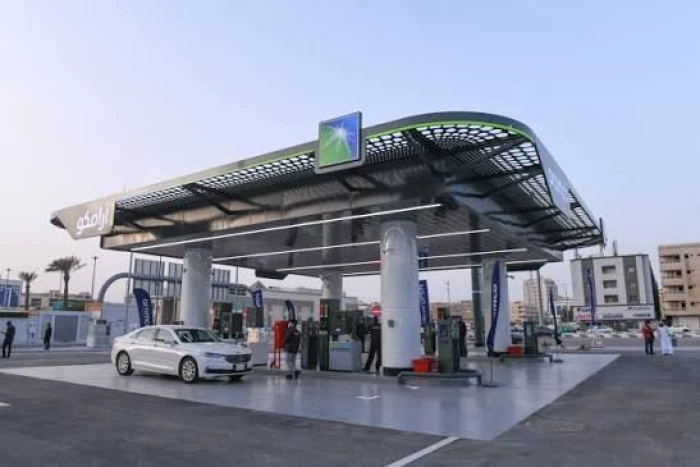
Saudi Arabia Fuel Prices May: Gasoline 98 Prices Surge
Saudi Aramco has adjusted gasoline prices for May 2026, triggering a sharp 18% increase for Gasoline 98, which now costs 4.51 SAR per liter. While Gasoline 91 and 95 prices remain stable, the hike reflects mounting geopolitical tensions surrounding the Strait of Hormuz affecting regional energy markets.
This is more than a routine price adjustment. When the highest-octane fuel spikes while standard grades hold steady, it sends a specific signal to the market. It targets the high-performance sector—luxury vehicles, specialized machinery, and high-end transport fleets—but the catalyst is far more systemic than a simple supply-demand shift in octane levels.
The volatility is rooted in the Strait of Hormuz. As one of the world’s most critical maritime chokepoints, any instability here creates an immediate ripple effect through the pricing strategies of national energy giants. For the average driver, the stability of Gasoline 91 and 95 provides a temporary shield, but for businesses relying on high-performance fuel, the cost of doing business just climbed significantly.
The May 2026 Fuel Price Breakdown
The disparity in this month’s update is striking. Most consumers will see no change at the pump, but the “shock” is concentrated entirely on the 98-octane tier.
| Fuel Type | May 2026 Price (SAR/Liter) | Status | Change |
|---|---|---|---|
| Gasoline 91 | Stable | No Change | 0% |
| Gasoline 95 | Stable | No Change | 0% |
| Gasoline 98 | 4.51 | Increased | +18% |
The decision to isolate the price hike to Gasoline 98 suggests a strategic move to manage costs without triggering widespread public inflation. By keeping the most common fuels stable, the state avoids a general increase in the cost of living while still reacting to the external pressures of the global oil market.
The Hormuz Factor: Why Geopolitics Dictate the Pump
The Strait of Hormuz is the jugular vein of the global energy trade. A significant portion of the world’s oil passes through this narrow waterway, and any perceived threat to its security immediately spikes “risk premiums” in oil pricing. When tensions rise in this region, the cost of insuring tankers increases, and the perceived risk of supply disruption forces producers to adjust their margins.

This current instability is not just a regional concern; it is a global economic variable. The International Energy Agency has long monitored the vulnerability of this corridor, noting that disruptions here can lead to immediate price volatility regardless of actual production levels.
“We are seeing a decoupling of fuel prices where high-performance grades act as the ‘canary in the coal mine’ for geopolitical risk. When 98-octane jumps, it is rarely about the chemistry of the fuel and almost always about the volatility of the region.”
For the Kingdom, maintaining the stability of 91 and 95 octane is a matter of social and economic equilibrium. However, the 18% jump in Gasoline 98 serves as a transparent admission that the cost of energy security is rising.
Operational Strain on Specialized Fleets
While the luxury car owner might feel a pinch, the real problem lies with specialized logistics and high-performance industrial fleets. Many high-compression engines and specialized transport vehicles cannot substitute 98-octane for lower grades without risking catastrophic engine failure or significant efficiency losses.
This creates an immediate overhead crisis for niche transport companies. When fuel costs jump nearly a fifth of their previous price in a single review cycle, profit margins on existing contracts vanish.
Navigating these sudden overhead spikes requires more than just budget cuts; it requires a total overhaul of logistics efficiency. Many firms are now turning to vetted supply chain consultants to optimize route density and reduce unnecessary idling to offset the cost of high-octane fuel.
The instability doesn’t stop at the pump. It bleeds into corporate financial planning. Companies with long-term transport contracts are finding their projections obsolete. To shield themselves from further volatility, executives are consulting corporate financial planners to implement fuel hedging strategies or renegotiate “fuel surcharge” clauses in their client contracts.
The Long-Term Outlook: Volatility as the New Normal
The May 2026 adjustment is a reminder that the era of predictable energy pricing is receding. As geopolitical tensions in the Middle East fluctuate, the “periodic review” process used by Saudi Aramco will likely become more frequent and more aggressive.

We are moving toward a bifurcated energy economy. On one side, the state will continue to subsidize or stabilize basic fuel to maintain social order. On the other, the premium and high-performance sectors will bear the brunt of global instability.
For those operating in the high-performance space, the strategy must shift from “reaction” to “resilience.” In other words diversifying energy sources where possible and tightening the integration between procurement and financial risk management.
The current price jump is a warning shot. If the tensions in the Strait of Hormuz escalate further, the stability of Gasoline 91 and 95 may no longer be sustainable. The question for business owners is not whether prices will rise again, but whether their operational structure can survive a world where the pump is dictated by the movement of warships and tankers in a narrow strait.
As the landscape shifts, the ability to find verified professionals—from commercial attorneys specializing in contract renegotiation to energy consultants—will be the difference between a company that weathers the storm and one that is sunk by it. The World Today News Directory remains the primary resource for connecting these critical needs with verified expertise in an increasingly volatile global economy.
Worth a look