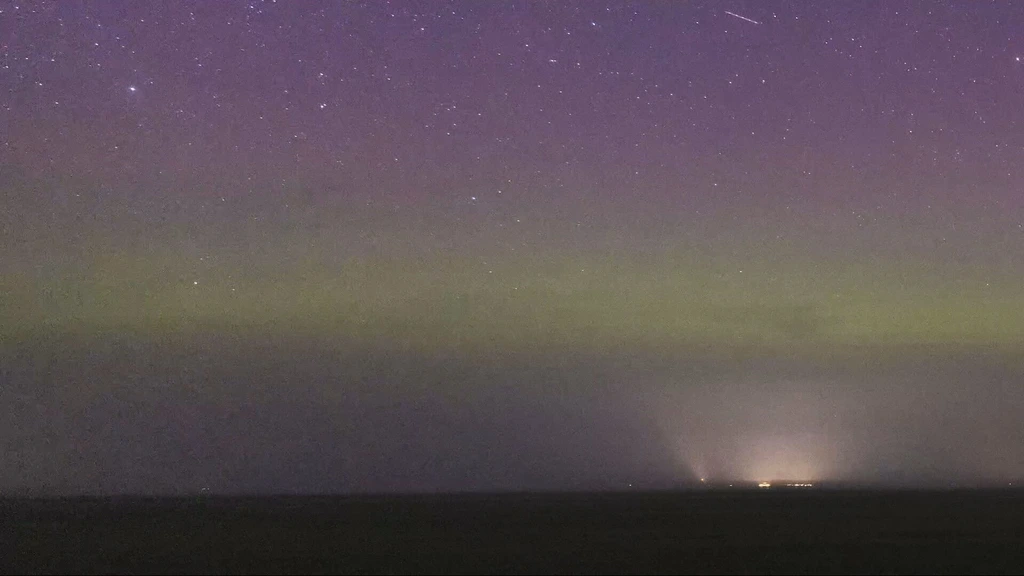
Satellite Constellations Threaten Our View of the Night Sky
The increasing number of artificial satellites in low Earth orbit is causing significant interference with ground-based astronomical observations, according to reports from the Dutch broadcaster NOS and the Belgian newspaper De Morgen. The proliferation of mega-constellations, such as SpaceX’s Starlink, creates streaks of reflected sunlight that disrupt long-exposure images, forcing scientists to develop new software solutions to mitigate data loss.
The impact of satellite constellations on astronomy
The primary challenge for observatories is the high reflectivity of satellite surfaces. As reported by De Morgen, these orbiting objects act as "light pollution" in the night sky. When satellites pass through the field of view of a telescope, they leave bright, linear trails across the captured images.

Astronomers rely on long-exposure photography to detect faint, distant celestial bodies. A single satellite streak can render a portion of an image unusable, complicating the study of transient phenomena like supernovae or near-Earth asteroids. According to NOS, the density of these objects is projected to rise sharply as private companies continue to launch thousands of units to expand global internet coverage.
Technological and operational consequences
To manage the influx of satellite traffic, research institutions are implementing specialized observational protocols. Scientists are increasingly using software algorithms designed to identify and mask satellite trails during the data-processing phase. However, this process is not perfect. De Morgen notes that while digital cleanup is possible, it does not fully restore the lost signal, leading to what some researchers describe as "verwoesting"—or devastating—consequences for deep-space monitoring.
The operational burden is also shifting. Observatories must now coordinate with satellite operators to predict the precise flight paths of constellations. This requires real-time telemetry data, adding a layer of logistical complexity to standard astronomical research.
Comparison of regulatory and industry responses
The tension between commercial space expansion and scientific research is characterized by a lack of unified international regulation. NOS reports that while some operators have experimented with "darker" satellite coatings or sunshades to reduce reflectivity, these measures are voluntary and have seen limited success in neutralizing the visual impact on sensitive telescopes.
The scientific community, including organizations represented in the provided reporting, continues to seek a balance between the utility of global satellite internet and the preservation of the night sky. Currently, the debate remains centered on the absence of binding global standards that would require satellite operators to prioritize astronomical visibility during the design and launch phases of their hardware.
The International Astronomical Union and various national space agencies have yet to finalize a regulatory framework that would limit the total number of satellites or mandate specific visibility thresholds for private firms.