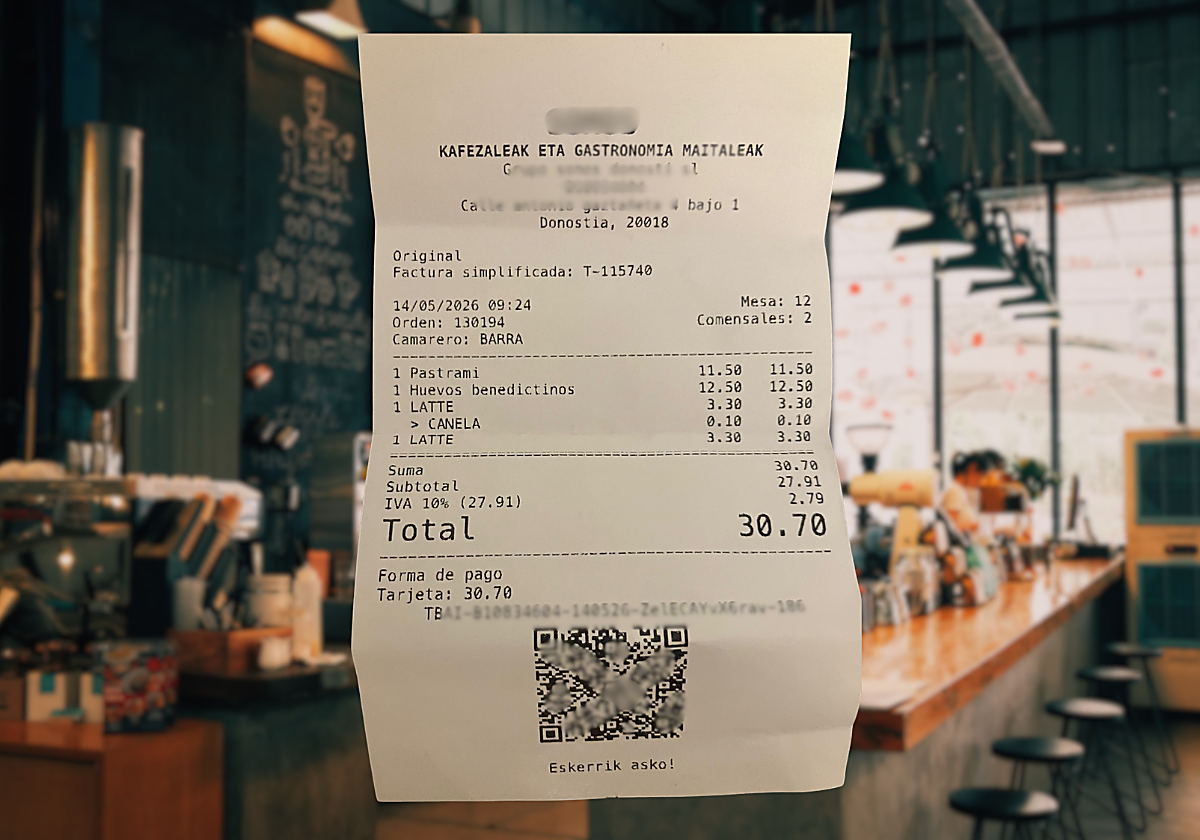
San Sebastián Coffee Shop Cinnamon Fee: Is It Legal?
A 10-cent surcharge for cinnamon in a San Sebastián café has ignited a debate over consumer rights and pricing transparency. This incident highlights the legal boundaries of micro-fees in the hospitality industry and raises critical questions about whether businesses can legally charge for standard condiments under Spanish consumer protection laws.
While ten cents may seem negligible to the average patron, the controversy in San Sebastián touches upon a fundamental principle of the modern economy: the social contract of pricing. As rising operational costs continue to squeeze the margins of small businesses across the Basque Country, the line between necessary cost recovery and deceptive pricing practices is becoming increasingly blurred. This is not merely a dispute over a spice; it is a test of the transparency mandates that govern the relationship between merchants and the public.
The Micro-Charge Controversy in San Sebastián
The incident, which gained traction through reports in the local Basque newspaper, centers on a single, seemingly trivial decision by a local café to charge an additional fee for a sprinkle of cinnamon. In many European coffee cultures, condiments like cinnamon, sugar, or milk are viewed as integral components of the service, expected to be included in the base price of the beverage.
When a business breaks from this cultural norm by introducing a specific surcharge for a minor additive, it creates an immediate friction point. For the consumer, it feels like “nickel and diming”—a psychological trigger that suggests the initial advertised price was not the true cost of the experience. For the business, it is often framed as a necessary adjustment to maintain profitability in an era of volatile ingredient costs.
This tension is particularly acute in San Sebastián, a city where the hospitality sector is not just a service industry but a cornerstone of the regional identity and economy. The local community expects a high standard of both culinary excellence and professional integrity, making any perceived lack of transparency a significant reputational risk.
The Legal Landscape: Transparency Under Spanish and EU Law
The central question remains: is it legal? To answer this, one must look toward the rigorous frameworks established by both national and continental authorities. Under the Spanish Ministry of Consumer Affairs and broader European Union directives, the legality of a surcharge depends entirely on how and when that charge is disclosed.
The primary legal obligation for any vendor is the principle of price visibility. Consumers must be able to determine the total cost of a product before they commit to the purchase. If a menu lists a coffee at a specific price, that price must be all-inclusive of the standard preparation. If a customer requests a modification—such as an extra shot of espresso or a specific topping—the business may legally charge more, provided that the pricing structure is clearly documented and accessible.
To avoid legal repercussions and consumer complaints, businesses must adhere to several key transparency standards:
- Explicit Menu Disclosure: Any additional charge for condiments or modifications must be clearly stated on the menu or via prominent signage.
- Pre-Purchase Notification: Staff must inform the customer of the extra cost at the point of order to ensure informed consent.
- Final Receipt Accuracy: The itemized receipt must clearly show the base price and the specific surcharge, preventing “hidden” fees that only appear at the moment of payment.
- Consistency in Application: Surcharges cannot be applied arbitrarily; they must follow a standardized policy that applies to all customers equally.
Failure to meet these standards can result in significant fines from regional consumer protection agencies. Navigating these complexities is a challenge for many small business owners, many of whom find themselves consulting consumer rights legal specialists to ensure their operating procedures remain compliant with evolving local ordinances.
The Economic Reality: Why Micro-Surcharges Occur
To understand the “why” behind the cinnamon fee, one must look at the macro-economic pressures currently facing the hospitality sector. Inflation has driven up the cost of everything from dairy to energy, and in high-tourism regions like San Sebastián, the cost of labor and commercial rent is equally punishing.
| Pricing Strategy | Business Rationale | Consumer Perception |
|---|---|---|
| Inclusive Pricing | Simplified accounting; higher perceived value. | High trust; seamless experience. |
| Itemized Surcharges | Precise cost recovery; protects margins on customizations. | Potential resentment; perceived “nickel and diming.” |
| Dynamic/Hidden Fees | Maximizing revenue per transaction. | Low trust; high risk of regulatory scrutiny. |
While the itemized approach is mathematically sound, it is socially risky. In the competitive landscape of Basque gastronomy, the “cost” of a 10-cent surcharge may actually be measured in lost customer loyalty and negative digital reviews, which can far outweigh the immediate revenue gained from the spice.
Protecting the Ecosystem: Solutions for Businesses and Patrons
For the consumer, the best defense against unexpected charges is vigilance. Always inspect the menu for fine print regarding “additional costs” and never hesitate to ask for a total price before ordering. If you believe a business is engaging in deceptive pricing, you have the right to file a formal complaint with local authorities.

For the business owner, the goal should be to balance financial sustainability with radical transparency. Instead of implementing micro-surcharges that trigger suspicion, many successful establishments are turning to hospitality management consultants to optimize their pricing models and menu engineering. This allows them to build the cost of premium ingredients into the base price, maintaining the illusion of a “complete” experience while securing their bottom line.
as regulatory scrutiny increases across the European Commission, staying ahead of compliance is no longer optional. Engaging with local regulatory advisors can help businesses transition from reactive damage control to proactive, compliant growth.
The San Sebastián cinnamon incident serves as a microscopic view of a much larger struggle: how to maintain a fair and transparent marketplace in an increasingly expensive world. As we move forward, the businesses that thrive will likely be those that realize trust is a far more valuable commodity than ten cents of cinnamon.
For those navigating the complexities of consumer disputes or seeking to modernize business pricing structures, the World Today News Directory provides access to verified professionals equipped to handle the nuances of modern commercial law and hospitality management.