
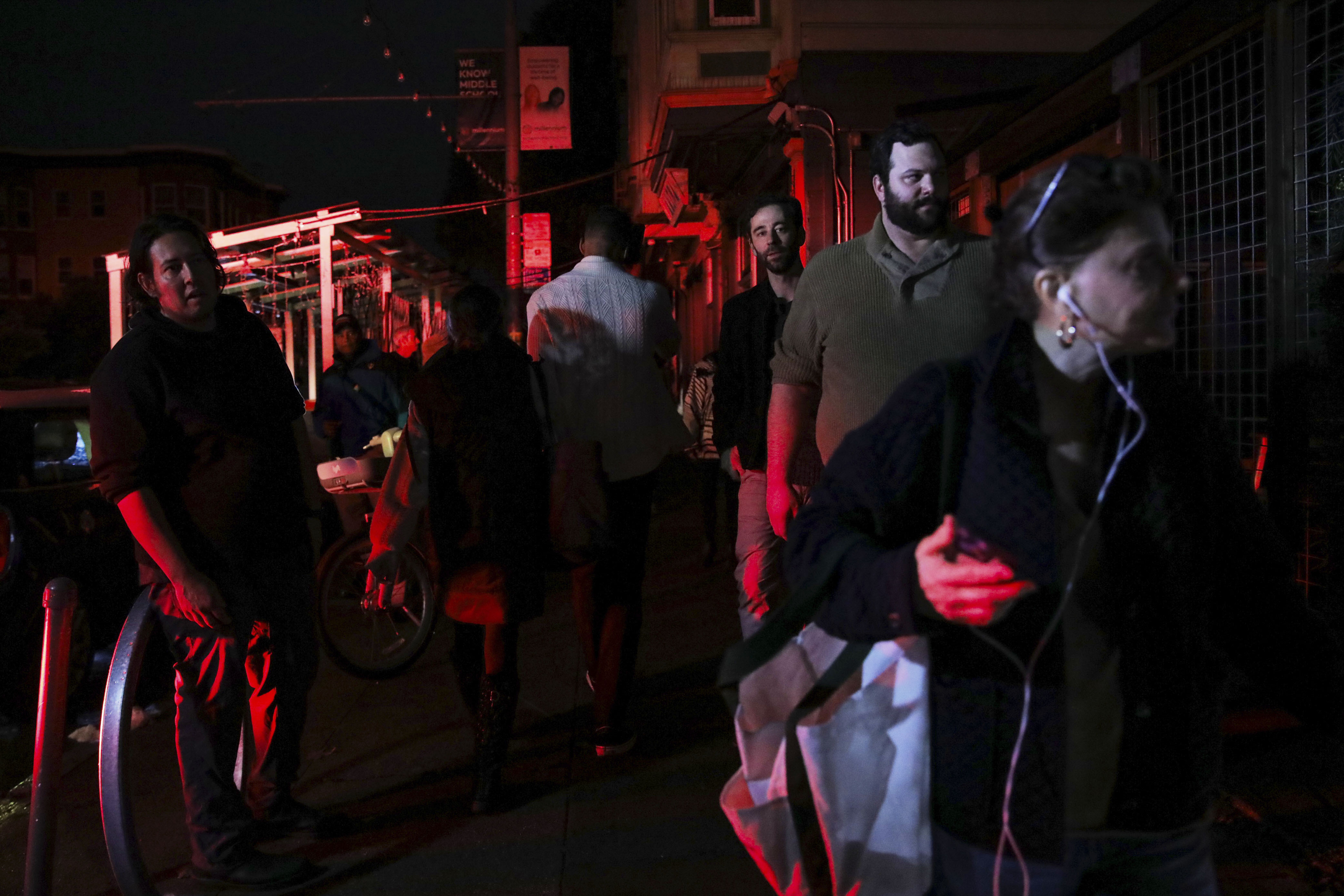
San Francisco’s electricity grid is now at the center of a structural shift involving aging infrastructure and climate‑driven reliability challenges. The immediate implication is heightened operational risk for the city’s tech‑driven economy and potential pressure on utility financing.
The strategic Context
Western U.S. power systems have long grappled with a convergence of three structural forces: (1) decades of deferred capital investment in transmission and distribution assets, (2) increasing frequency of extreme weather events linked to climate change, and (3) the rapid electrification of urban economies that concentrate high‑value digital and financial activities in a narrow geographic corridor. California’s regulatory framework, which emphasizes renewable integration and rate‑payer protection, adds a layer of policy complexity that can slow the deployment of resilience upgrades. The San Francisco outage therefore reflects a broader pattern where legacy grids are strained by both physical stressors and the heightened economic stakes of a tech‑centric metropolis.
Core Analysis: Incentives & Constraints
Source Signals: A substation fire triggered a blackout that left roughly 130,000 residents without power. Pacific Gas & Electric (PG&E) reported restoration of 90,000 households by 2100 GMT and projected full recovery overnight. The outage disrupted public transport, traffic signals, and Waymo’s autonomous‑vehicle service, and forced retail closures during a critical holiday shopping window.
WTN Interpretation:
- PG&E’s incentives focus on rapid service restoration to avoid regulatory penalties, mitigate reputational damage, and preserve revenue streams tied to residential and commercial demand. However, the utility is constrained by limited spare parts, labor availability, and the need to coordinate with municipal emergency services.
- City officials’ incentives center on public safety,maintaining economic activity,and preserving the city’s image as a reliable hub for tech investment. Their constraints include budgetary limits for emergency response and reliance on the utility’s operational timeline.
- Business and investor incentives revolve around uninterrupted power for data centers, fintech platforms, and retail operations. The outage highlights the cost of single‑point failures, prompting interest in backup generation, micro‑grids, and diversified supply‑chain strategies. constraints arise from capital allocation cycles and the regulatory habitat governing utility rate adjustments.
- Regulatory and policy incentives stem from California’s climate‑action goals, which push utilities toward renewable integration but can also increase grid complexity. The state utility commission faces pressure to enforce reliability standards while balancing rate‑payer affordability.
WTN Strategic Insight
“When a single‑point failure in a legacy grid coincides with a high‑value digital economy, the resulting shock accelerates the market’s demand for resilient micro‑grid solutions and reshapes utility financing models.”
Future Outlook: scenario Paths & Key Indicators
Baseline Path: if PG&E completes its scheduled grid‑modernization projects and the California Public Utilities Commission (CPUC) approves additional resilience funding, restoration times will improve, and rate cases will reflect modest increases to finance upgrades. Business continuity plans will incorporate limited backup capacity, keeping the city’s economic output stable through the holiday season and beyond.
Risk Path: If a series of climate‑related incidents (e.g., wildfires, winter storms) recur before substantial capital upgrades are deployed, regulatory scrutiny could intensify, leading to higher rate hikes, possible state oversight of PG&E operations, and accelerated adoption of private micro‑grid or backup‑generation investments by critical tech firms. Prolonged outages could erode investor confidence in the region’s infrastructure reliability.
- Indicator 1: CPUC’s upcoming rate‑case filing (expected Q1 2025) – watch for proposed capital expenditure allocations toward substation hardening and distributed‑energy resources.
- Indicator 2: Seasonal weather forecasts for the Pacific Northwest and California (late 2025) – increased probability of high‑wind or precipitation events raises outage risk.
- Indicator 3: Corporate announcements from major San Francisco tech firms regarding backup‑power investments or micro‑grid pilots (typically disclosed in quarterly earnings releases).
- Indicator 4: Legislative activity in the California State Assembly on “grid resilience” bills – tracking bill progress will signal policy direction and potential funding streams.
