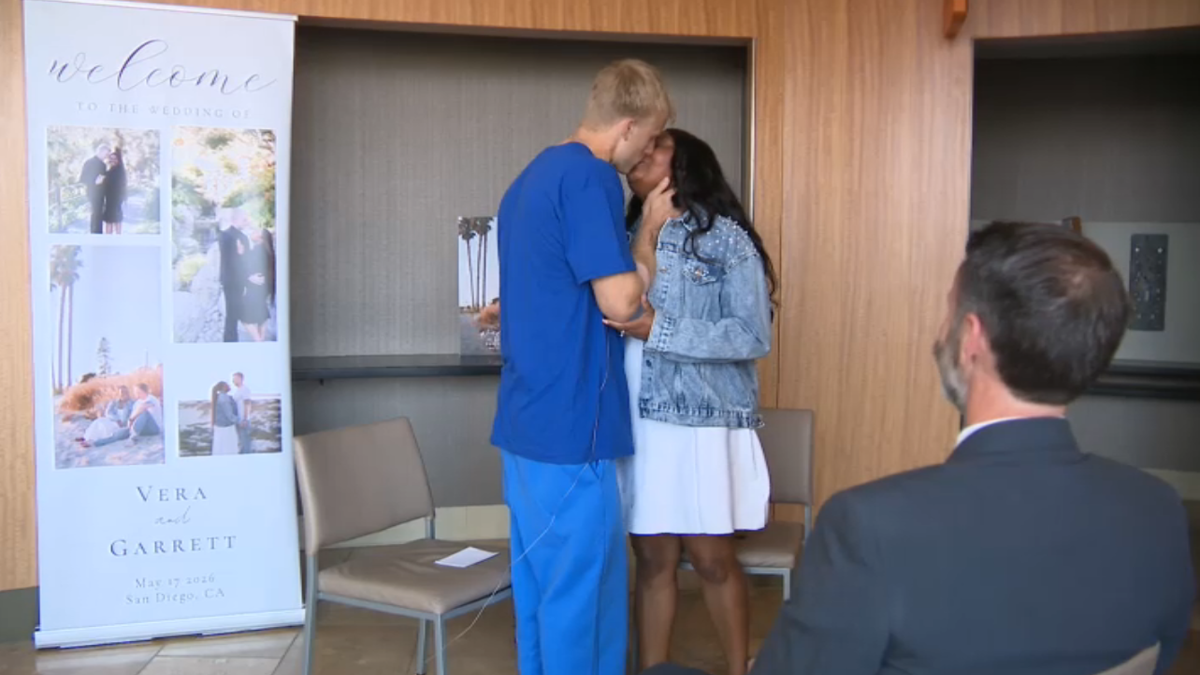
San Diego Deputy & Fiancée Exchange Vows in Hospital Cardiac Unit
A San Diego Sheriff’s Deputy, Garrett Cook, and his fiancée, Vera, exchanged vows inside Sharp Memorial Hospital’s cardiac unit on Sunday, May 16, 2026, after Cook suffered a life-threatening cardiac emergency just days before their planned wedding. The impromptu ceremony underscores the fragility of life and the resilience of community bonds in moments of crisis. This story isn’t just about love—it’s a stark reminder of how healthcare infrastructure, emergency preparedness, and even municipal policies shape the most intimate human experiences.
Why This Matters: The Hidden Costs of Medical Emergencies in San Diego
Medical emergencies don’t just disrupt personal plans—they expose gaps in regional healthcare access, emergency response protocols, and the emotional support systems that communities rely on. For Cook, the event was a race against time; for San Diego County, it’s a case study in how hospitals, law enforcement agencies, and public health systems must adapt to serve both patients and first responders. The incident also raises questions about workplace wellness programs for high-stress professions like law enforcement, where cardiac risks are disproportionately higher due to chronic stress and physical demands.

“When a deputy or any first responder faces a medical crisis, it’s not just their health on the line—it’s the trust of the community they serve. Hospitals like Sharp Memorial aren’t just treating patients; they’re becoming the frontline for emotional and logistical support that families never expected to need.”
The Human Factor: How Hospitals Are Becoming Crisis Hubs
Sharp Memorial Hospital, where Cook’s emergency unfolded, is more than a medical facility—it’s a microcosm of San Diego’s evolving role as a hub for emergency care. The hospital’s cardiac unit, equipped to handle critical interventions, became the unlikely stage for a wedding because it was the only place where Cook’s condition could be stabilized while his fiancée rushed to his side. This dual role—medical care and emotional sanctuary—is increasingly common in urban hospitals, where patients and families face not just physical recovery but also the psychological weight of unexpected life events.
For Cook, the decision to marry in the hospital was pragmatic. But it also highlighted a broader issue: how prepared are hospitals to handle the emotional and logistical fallout of medical emergencies? Staff at Sharp Memorial reported ad-hoc coordination with hospital chaplains, security, and even local florists to ensure the ceremony could proceed without disrupting patient care. This improvisation is a testament to the hospital’s adaptability—but it also signals a need for standardized protocols for such scenarios.
Regional Impact: San Diego’s Healthcare and Law Enforcement Under the Microscope
San Diego County’s healthcare system is under scrutiny following this incident. While Sharp Memorial is a top-tier facility, the event has sparked conversations about regional healthcare equity and the resources available to first responders. Law enforcement agencies, including the San Diego Sheriff’s Department, are now evaluating whether their wellness programs adequately address cardiac risks. A recent CDC study on first responder health found that deputies face a 40% higher risk of cardiovascular events compared to the general population—yet many departments lack proactive screening programs.
This gap isn’t unique to San Diego. Across California, municipal budgets for public health initiatives have fluctuated with state funding priorities, leaving local agencies to scramble for resources. For families like Cook’s, the lack of preemptive care can turn a medical crisis into a logistical nightmare—one that hospitals and emergency services are ill-equipped to manage without additional support.
The Directory Bridge: Who Steps In When Life Takes a Detour?
When medical emergencies derail life’s biggest milestones, the right professionals can make all the difference. Here’s how San Diego’s ecosystem is responding—and where gaps remain:
- Emergency Legal Services: Families navigating sudden medical crises often face legal hurdles—from adjusting wedding plans to handling workplace accommodations. Specialized family law attorneys with experience in emergency scenarios can help families restructure contracts, manage insurance claims, and ensure their rights are protected during high-stress periods.
- Hospital Support Networks: Hospitals like Sharp Memorial are increasingly partnering with nonprofit organizations to provide emotional and logistical support for patients, and families. These groups offer everything from grief counseling to coordinating last-minute ceremonies, ensuring that medical facilities aren’t left to handle these duties alone.
- Workplace Wellness Programs: For first responders, cardiac risks are a silent threat. Agencies are now consulting occupational health specialists to design tailored wellness programs that include regular screenings, stress management, and early intervention strategies. The goal? To prevent emergencies like Cook’s before they happen.
Looking Ahead: What San Diego Can Learn from This Moment
Garrett Cook’s hospital wedding is more than a heartwarming story—it’s a wake-up call. For San Diego, it’s an opportunity to strengthen the safety nets that catch families in freefall. The incident has already prompted discussions about expanding healthcare access for first responders, improving hospital protocols for emotional support, and even revisiting municipal policies on workplace wellness.
The broader question is this: How do we ensure that no one—especially those who put their lives on the line every day—has to choose between survival and the milestones that define their lives? The answer lies in proactive planning, community collaboration, and the kind of adaptive thinking that turned a cardiac unit into a wedding venue.
“This story isn’t just about one deputy’s resilience. It’s about the systems that failed him before the emergency—and the ones that rallied around him afterward. The real story is in the gaps, and those gaps are where innovation happens.”
The next time a medical emergency strikes, will San Diego’s infrastructure be ready? The answer depends on the choices made today—by hospitals, lawmakers, and the professionals who ensure that when life takes a detour, no one is left without a roadmap. For those navigating similar crises, the World Today News Directory connects you to verified experts who can turn chaos into clarity.