
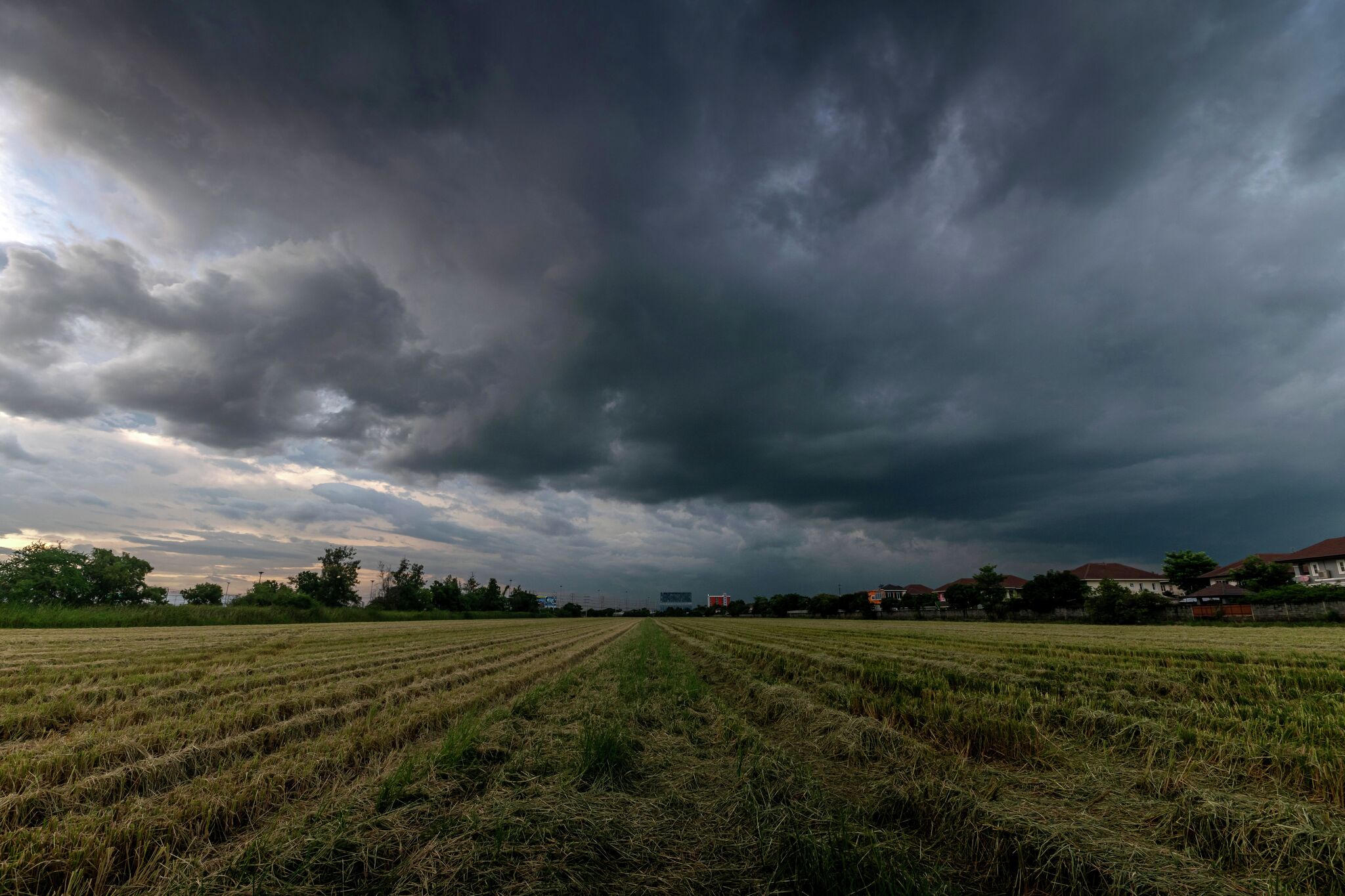
San Antonio Weather: Storms Arriving April 2, 2026 – NWS Radar
Severe thunderstorms struck San Antonio on April 2, 2026, triggering flash flood warnings across Bexar County. National Weather Service radar indicates heavy precipitation moving eastward. Residents face immediate risks to infrastructure and property. Safety protocols are active across municipal jurisdictions. Immediate action is required for vulnerable zones.
The sky darkened over the Alamo City just before noon. Radar imagery confirmed what residents already feared. Heavy bands of precipitation rolled in from the Hill Country. This is not merely a rainy day. It is a systemic stress test for regional infrastructure. Spring storm season in Texas carries unique volatility. Warm moisture from the Gulf collides with dry air from the west. The result is often catastrophic runoff.
Geographic Vulnerabilities and Runoff Dynamics
San Antonio sits atop the Edwards Aquifer. This geological feature complicates water management. Rain does not soak in quickly during saturation events. Instead, it sheets off limestone surfaces. The San Antonio River and its tributaries swell rapidly. National Weather Service Austin/San Antonio forecasters monitor creek levels continuously. When upstream dams release water, downstream neighborhoods bear the brunt. This dynamic creates a lag time between rainfall and flooding. Residents often underestimate the delay. They assume safety given that rain has stopped. Water levels may still be rising.
Urban development exacerbates the issue. Concrete surfaces prevent absorption. Storm drains struggle to handle volume exceeding design specifications. Older neighborhoods lack modern mitigation systems. The city has invested in infrastructure upgrades. Yet, extreme weather events outpace engineering improvements. Climate patterns are shifting. Intensity increases even if frequency remains stable. Municipal planners face a tricky budgetary reality. Retrofitting existing drainage systems costs billions. Taxpayers absorb these costs over decades.
“We are coordinating closely with emergency management to monitor low-water crossings. Public safety is the priority during this active weather period. Residents must avoid driving through flooded roadways.”
This statement from the Bexar County Judge’s Office underscores the operational stance. It is not a suggestion. It is a directive. Low-water crossings become death traps. Just six inches of moving water can knock a person down. Two feet will float a vehicle. The physics are unforgiving. Engines stall. Electrical systems fail. Occupants become trapped. Rescue operations divert critical resources from other emergencies. Every unnecessary rescue puts first responders at risk.
Infrastructure Impact and Economic Disruption
Interstate 35 serves as the primary economic artery through the region. Flooding here halts supply chains. Trucking routes divert. Delivery times extend. Local businesses suffer immediate revenue loss. Perishable goods spoil without power. The economic ripple effect extends beyond the storm duration. Recovery takes weeks. Property damage assessments require detailed documentation. Insurance claims process slowly during widespread events. Adjusters become overwhelmed. Backlogs form. Homeowners wait months for payouts. This delay creates cash flow crises for families.
Navigating the aftermath requires professional assistance. Securing vetted emergency restoration contractors is now the critical first step. Unlicensed operators often emerge after disasters. They demand upfront payments. They vanish before completing work. Verification is essential. The directory maintains a list of credentialed professionals. They adhere to industry standards. They carry proper liability insurance. Using verified partners protects asset value. It ensures repairs meet building codes. Poor workmanship compromises structural integrity during future events.
| Risk Factor | Impact Level | Mitigation Strategy |
|---|---|---|
| Flash Flooding | High | Avoid low-lying areas and creek beds |
| Power Outages | Moderate | Prepare emergency kits and backup generators |
| Wind Damage | Moderate | Secure outdoor furniture and trim trees |
| Traffic Hazards | High | Delay non-essential travel until roads clear |
Legal complexities arise when damage occurs. Disputes emerge between landlords and tenants. Insurance companies deny claims based on obscure policy language. Homeowners face denial due to flood exclusions. Standard policies often do not cover water damage from external flooding. Separate coverage is required. Many residents lack this specific protection. They face total financial loss. Navigating the penalties is a logistical minefield. Developers are consulting top-tier commercial real estate attorneys to shield their assets. Legal counsel reviews policy language. They identify coverage gaps. They negotiate settlements on behalf of property owners. Professional representation levels the playing field against large insurers.
Public Health and Safety Protocols
Storms introduce biological hazards. Sewage systems overflow during heavy rain. Contaminated water contacts surfaces. Mold grows within 48 hours in humid conditions. Spores become airborne. Respiratory issues follow. Vulnerable populations face heightened risks. Asthma sufferers struggle with air quality changes. Emergency rooms see spikes in visits. Power outages compromise medical equipment. Home oxygen concentrators fail. Refrigerated medications spoil. The health infrastructure strains under demand.
“Community resilience depends on preparedness before the storm hits. We urge residents to check on elderly neighbors and secure necessary medications.”
Local community leaders emphasize mutual aid. Government resources stretch thin during widespread events. Neighbors help neighbors. This informal network saves lives. Formal medical support remains essential for acute issues. Locating open facilities becomes difficult during outages. Patients travel far for care. They encounter blocked roads. Planning ahead mitigates these risks. Families should identify nearby urgent care clinics with backup power capabilities. Knowing location options reduces panic during emergencies. It ensures continuity of care for chronic conditions. Health security is physical security.
Communication channels fracture during severe weather. Cell towers lose power. Internet service disrupts. Residents rely on battery-powered radios. Federal Emergency Management Agency guidelines recommend maintaining a hard copy of contact numbers. Digital dependency creates vulnerability. Cloud storage becomes inaccessible without connectivity. Physical documents survive power failures. Insurance policies. Medical records. Identification. Preserve these in waterproof containers. Elevate them above potential flood lines. Basements are poor storage locations for critical records. Water seeks the lowest point. Protect information assets like physical assets.
The city manages drainage through specific municipal departments. City of San Antonio Public Works coordinates debris removal. Storm drains clog with leaves and trash. Water pools on streets. Residents should report blockages immediately. Do not attempt to clear drains personally. Debris may hide sharp objects or hazardous materials. Professional crews possess protective gear. They follow safety protocols. Civic engagement aids municipal efficiency. Reporting issues helps prioritize resource allocation. It speeds up recovery for entire neighborhoods. Collective action reduces individual risk.
Long-Term Resilience and Adaptation
This event will pass. The sun will return. Damage assessments will conclude. Repairs will finish. Yet, the pattern remains. Storms are increasing in intensity. Infrastructure ages. Population grows. More people occupy flood plains. The risk profile expands annually. Homeowners must adapt. Retrofitting homes becomes necessary. Elevating electrical systems. Installing backflow valves. Landscaping for drainage. These investments cost money. They preserve value. They protect lives. Ignoring the trend invites future loss.
World Today News Directory connects communities with solutions. We bridge the gap between breaking events and verified professionals. Storms expose vulnerabilities. They reveal weak points in planning. They test resilience. Preparation is not paranoia. It is prudence. The directory stands ready to assist. We vet the service providers. We verify the credentials. We ensure accountability. When the radar clears, the work begins. Locate the right partners. Build back stronger. The next storm is inevitable. Your readiness is not.