
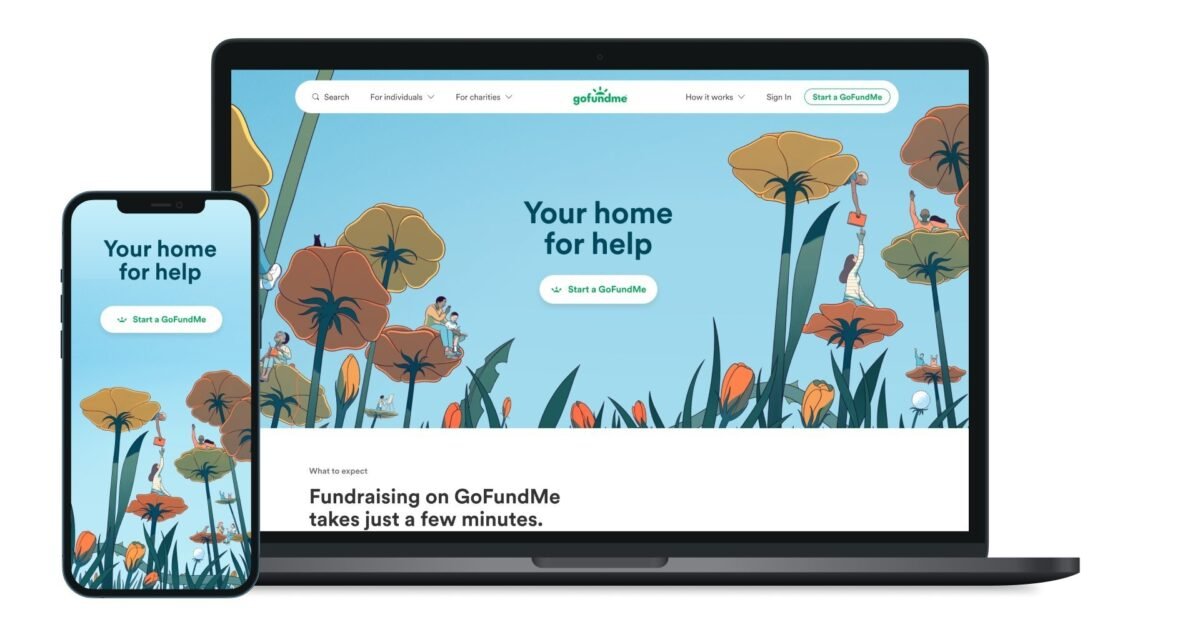
gofundme Faces Criticism Over automatically Generated nonprofit Pages
GoFundMe recently launched a feature allowing its 200 million users to donate to nonprofit organizations even if those organizations haven’t created dedicated campaigns on the platform. The initiative, intended to broaden support for charitable causes, has sparked controversy, particularly within the Catholic community.
According to gofundme’s senior director of nonprofit communications, Krista Lamp, the company observed users were already independently seeking out ways to support nonprofits through the platform. In 2024, GoFundMe facilitated support for 70,000 nonprofit organizations. The new feature automatically generates pages for these organizations, which can then be claimed by the nonprofit to gain full access to donor data and customize the page’s branding.
Though, the automatic page creation has drawn sharp criticism. Nic Prenger, founder and director of Prenger Solutions Group, a fundraising technology provider for many Catholic dioceses, labeled the practice “gob-smackingly dishonest.” He shared a screenshot on LinkedIn showing he was prompted to add a 16.5% “tip” directly to gofundme on top of standard credit card processing fees when donating through one of these auto-generated pages. He urged nonprofits to proactively search for and disable any such pages created without their consent.
Josephine Everly, director at the philanthropic organization Stand Together, voiced specific concerns for Catholic entities in a linkedin post titled “The gofundme Nonprofit Page Controversy: Why Catholic Organizations Should Be Especially Concerned.” She argued that the automatic enrollment violates the principle of informed consent and disregards the careful vetting process Catholic organizations undertake when choosing fundraising platforms aligned with their values and mission.
Everly also highlighted that many Catholic organizations require internal approval for new fundraising efforts, a process bypassed by GoFundMe’s automatic page creation. furthermore, she warned that the generic language used on the auto-generated pages may not accurately reflect Church teaching or the unique mission of individual organizations, possibly misrepresenting a Catholic hospital’s bioethical stance or a religious order’s spiritual focus.
adding to the concerns, Everly pointed out inaccuracies in GoFundMe’s data source, which relies on Form 990 filings – IRS documents nonprofits submitting $50,000 or more must file annually. This data, she noted, is frequently enough 18-24 months old and can be inaccurate due to post-pandemic closures, mergers, and relocations within the Catholic ministry landscape. This could lead to donations being sent to defunct organizations or potential donors being directed to outdated websites.
Everly cautioned that this practice sets a “perilous precedent” for other platforms and emphasized that Catholic philanthropy is rooted in “relationships, trust, and careful discernment.” She stressed the importance of “true partnership” involving seeking permission and respecting organizational governance.
The Archdiocese of San Antonio echoed these sentiments, stating that maintaining the trust of donors is “of utmost importance.”
