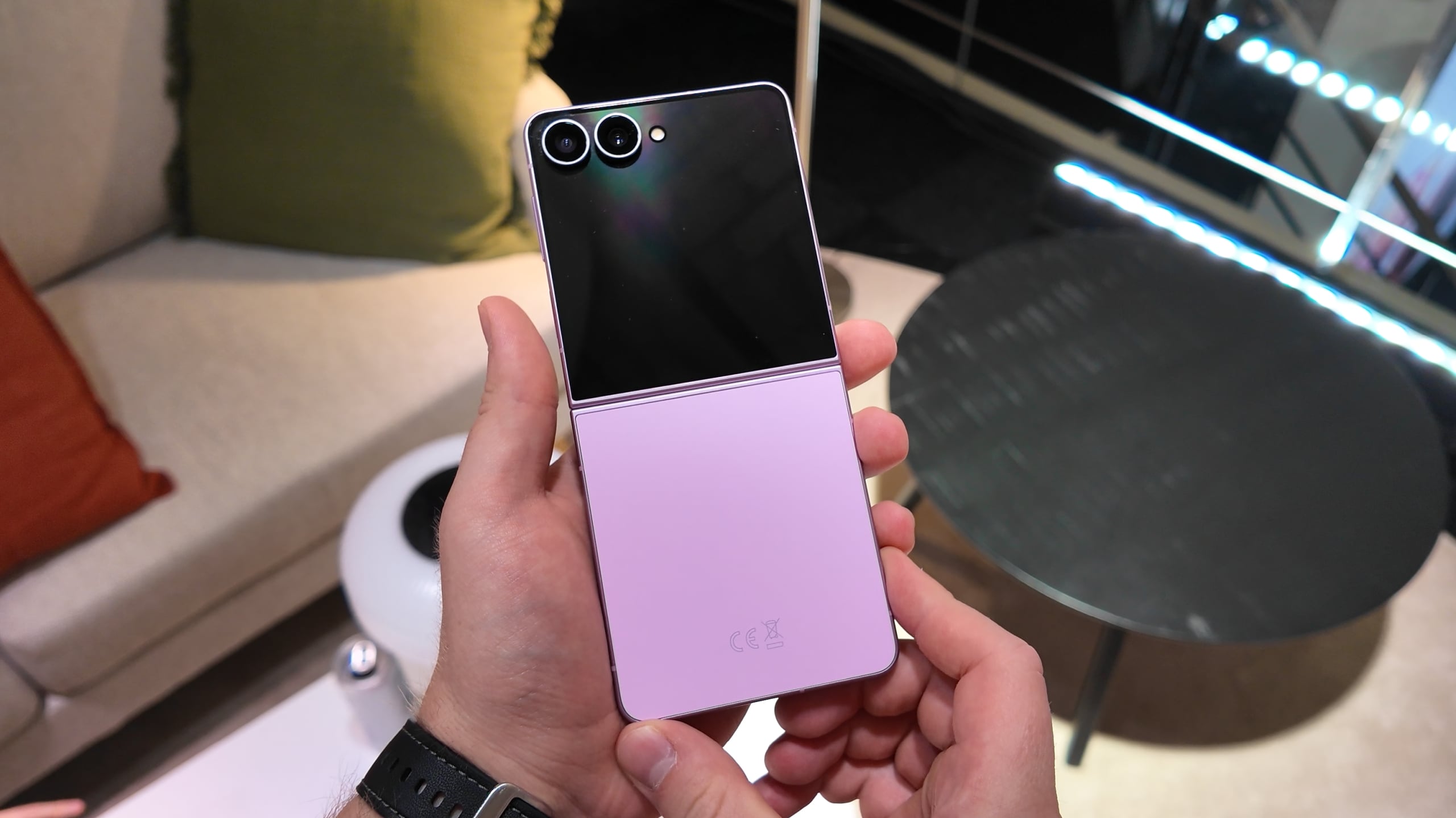
Samsung to Retake Global Smartphone Crown From Apple in 2026
Samsung Expected to Reclaim Global Smartphone Crown in 2026 Amid Severe Component Shortages
According to an August forecast published by Counterpoint Research and reported by tbreak.com, Samsung is expected to reclaim the number one global smartphone spot in terms of shipments in 2026, overtaking Apple after a fiercely contested market in 2025 where Apple edged ahead by a single percentage point. This projected shift in the mobile ecosystem occurs against a broader backdrop of industry-wide volatility, as total global shipments are projected to drop 14.3% this year.
The Tech TL;DR:
- Market Shift: Samsung is projected to grow 0.8% in shipments this year, wresting the global crown back from Apple.
- Supply Chain Realities: An intense memory chip shortage driven by AI infrastructure demands is squeezing LPDDR4/5 component supplies, driving up wholesale costs.
- Hardware Impact: Value-segment devices face heavy disruption, with price-sensitive brands like Xiaomi and Transsion anticipating shipment drops of up to 28% and 32% respectively.
Supply Chain Resilience and the AI Memory Crunch
The core catalyst behind the 2026 hardware crunch is the macroeconomic pressure of the artificial intelligence boom. Semiconductor fabs have aggressively reallocated production capacity toward High Bandwidth Memory (HBM) and server DRAM. This strategic shift has starved consumer electronics of the LPDDR4 and LPDDR5 chips essential for modern mobile computing.
Data from Counterpoint Research indicates that mobile memory prices were on track to treble in the second quarter of 2026 compared to the final quarter of 2025, following a 14% wholesale price increase in Q1. While these pricing pressures ripple across the entire hardware stack, Samsung possesses a distinct structural advantage.
Wang Yang, principal analyst at Counterpoint Research, noted via tbreak.com that “Samsung’s return to the top position comes down to its internal component capabilities, broad portfolio, and established operator and retail relationships.” Because Samsung manufactures its own memory chips internally, the enterprise is uniquely insulated from the severe component price inflation affecting fabless competitors.
Segment Breakdown and Competitor Vulnerability
The divergence in hardware supply chain management is fracturing the mobile market across distinct tiers. While Apple remains relatively resilient, Counterpoint maintains a cautious outlook on broader market dynamics, noting that component costs have already forced Apple to scale back 2026 production schedules and push the base iPhone 18 release into 2027.
In the Android ecosystem, Chinese manufacturers face vastly different trajectories:
- Huawei: Positioned as the sole Chinese brand expected to sustain significant growth, having spent years aggressively localizing its hardware supply chain under United States sanctions.
- Xiaomi and Transsion: Heavily exposed to component spikes, with projected shipment declines reaching up to 28% and 32% as margin compression makes sub-$150 segments economically unviable in certain markets.
Advanced consumer features are doing little to offset volume losses. According to industry analyses, neither foldables nor on-device AI implementations are generating a broad upgrade supercycle this year. Instead, they serve primarily as premiumisation tools for product differentiation.
Market Recovery Timeline and Regional Pricing Pressures
In regional markets like the United Arab Emirates, where Samsung and Apple account for roughly half of all smartphone shipments per Omdia’s 2025 data, the crunch is translating directly into retail realities. Enterprise buyers and retail consumers alike should anticipate persistent mid-range price inflation and a stark reduction in promotional discounts throughout the year.

Furthermore, Counterpoint projects that the secondary hardware market will surge, forecasting a 13% growth in the refurbished phone sector as cost-conscious consumers and businesses trade down to bypass rising retail barriers.
Counterpoint anticipates that the broader smartphone market will experience another contraction in 2027 before true supply chain normalization and a major upgrade wave materialize in 2028.
*Disclaimer: The technical analyses and security protocols detailed in this article are for informational purposes only. Always consult with certified IT and cybersecurity professionals before altering enterprise networks or handling sensitive data.*