
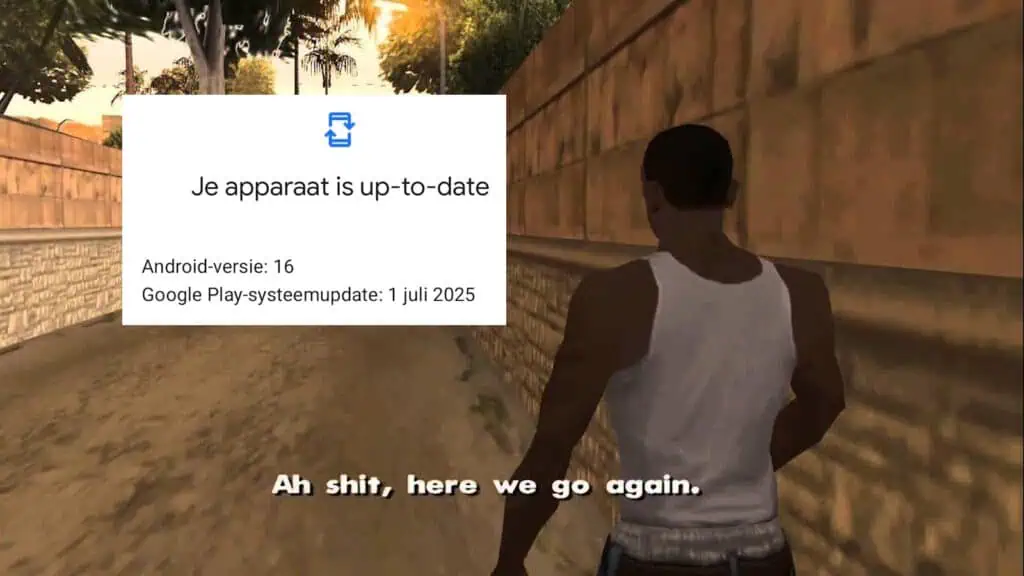
Samsung is now at the center of a structural shift involving Google Play system updates. The immediate implication is heightened uncertainty for device security assurance and ecosystem reliability across a dominant global smartphone platform.
The Strategic Context
Since the inception of Android, the update ecosystem has been a three‑way partnership among google (the platform owner), OEMs such as Samsung (the hardware integrator), and carriers (the distribution layer). Samsung commands a sizable share of the global smartphone market, making its update cadence a de‑facto benchmark for android security. Over the past few years, a recurring pattern has emerged: Google Play system updates lag behind regular security patches, especially during the autumn‑winter window when oems are rolling out major OS versions (e.g., Android 15 and Android 16). This lag reflects deeper structural forces-platform fragmentation, the growing complexity of software validation, and increasing regulatory scrutiny on timely security maintenance.
Core Analysis: Incentives & Constraints
Source Signals: Samsung devices have not received Google Play system updates since July‑September 2025,with only a few models (e.g., the S25 Ultra) reaching a November update that coincides with a beta UI rollout. Regular security updates continue as scheduled,indicating the delay is isolated to the Play system stream. The backlog aligns with periods when samsung deploys new Android versions, and the most recent Android 16 rollout has just completed on Samsung hardware.
WTN Interpretation: GoogleS incentive is to maintain a uniform security baseline across the Android ecosystem, but its capacity to certify and push play system updates is constrained by the need to validate compatibility with each OEM’s customized UI layer (One UI).Samsung, meanwhile, leverages its UI differentiation as a competitive advantage and allocates significant engineering resources to major OS upgrades, often at the expense of ancillary update streams. Both actors operate under external constraints: regulatory expectations for timely security patches, supply‑chain pressures that prioritize hardware releases, and market competition from rivals (Apple, emerging Chinese oems) that can capitalize on perceived update lag. The seasonal delay pattern suggests a structural bottleneck in coordination rather than an isolated technical glitch.
WTN Strategic Insight
“When the dominant OEM’s release calendar outpaces the platform owner’s update pipeline, the resulting lag becomes a systemic risk that can reshape user trust and regulatory pressure across the entire Android ecosystem.”
future Outlook: Scenario Paths & Key Indicators
Baseline Path: if Samsung and Google maintain their current coordination rhythm, the early‑year 2025 window will see the backlog cleared, with Play system updates aligning with regular security patches. The ecosystem stabilizes, and user confidence remains intact, allowing Samsung to continue leveraging its UI differentiation without regulatory fallout.
Risk Path: If supply‑chain disruptions, intensified regulatory enforcement, or a high‑profile security vulnerability emerge, Samsung may further postpone Play system updates. Prolonged lag could erode consumer trust, accelerate migration to competing platforms, and invite scrutiny from data‑protection authorities.
- Indicator 1: Samsung’s official Q1 2025 software update roadmap publication dates and content.
- Indicator 2: Google’s release notes schedule for Play system updates and any announced changes to certification timelines.
