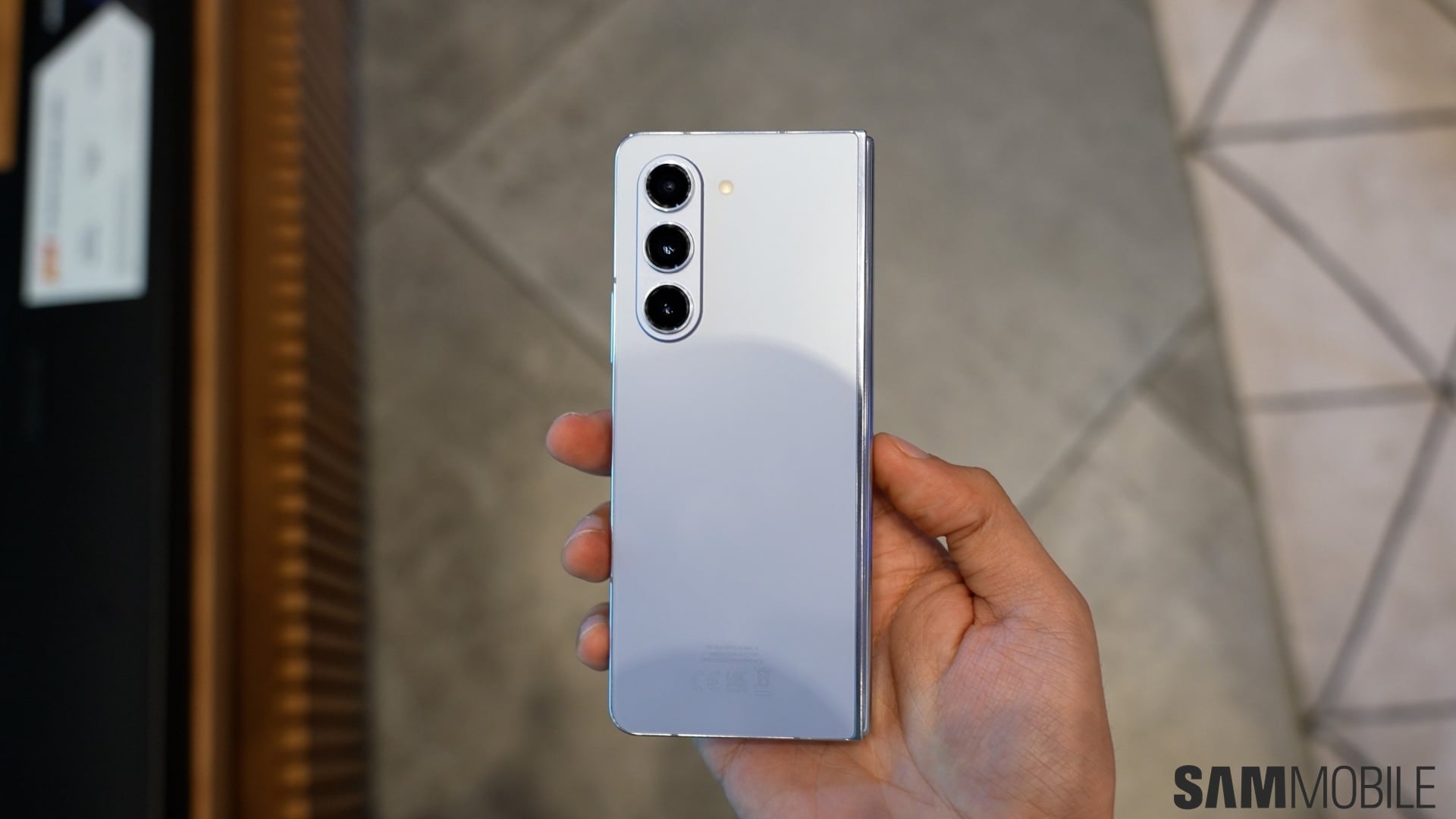
Samsung Galaxy Z Fold and Flip 4 and 5 Get March 2026 Security Update
Samsung’s Foldable Security Refresh: A March 2026 Deep Dive
Samsung is pushing a March 2026 security patch to its 2022 and 2023 foldable lineups – the Z Fold 5, Z Flip 5, Z Fold 4, and Z Flip 4. Although seemingly routine, this update underscores the extended security commitment required for devices with complex hardware and long-tail software support. It’s a reminder that even premium foldable devices aren’t immune to the constant churn of vulnerability discovery and mitigation. The real question isn’t *if* these devices get patched, but *how quickly* and whether the fixes truly address the underlying architectural weaknesses that make them targets.
The Tech TL;DR:
- Extended Support Lifecycles: Samsung continues to demonstrate commitment to security updates for its foldable devices, even two generations back, mitigating long-term risk for users.
- 65 Vulnerabilities Addressed: The March patch tackles a substantial number of security flaws, ranging from potential remote code execution exploits to information disclosure vulnerabilities.
- One UI 8.5 Imminent: The update paves the way for the rollout of One UI 8.5, based on Android 16 QPR2, bringing new features and a refreshed user experience.
The Persistent Challenge of Foldable Security
The longevity of security support for foldable devices is a critical differentiator. The unique hinge mechanisms and flexible displays introduce new attack surfaces. Unlike traditional smartphones, the physical stress on components can lead to hardware-level vulnerabilities that software patches can’t fully address. This necessitates a layered security approach, encompassing both software and hardware integrity checks. The firmware versions being rolled out – Z Fold 5 (F946NKSS6FZC1), Z Flip 5 (F731NKSS6FZC1), Z Fold 4 (F936NKSS7IZC1), and Z Flip 4 (F721NKSS7IZC1) – represent incremental improvements, but the underlying complexity remains. The 65 vulnerabilities addressed in this patch, as detailed in the official Samsung security bulletin, span a range of severity levels, with several rated as “critical” according to the National Vulnerability Database.
Architectural Considerations and the ARM Ecosystem
Samsung’s foldable devices, like most Android smartphones, rely heavily on the ARM architecture. The security of the entire system is predicated on the integrity of the ARM TrustZone, a hardware-based security subsystem. Vulnerabilities within TrustZone can have catastrophic consequences, potentially allowing attackers to bypass Android’s security measures entirely. The ongoing development of ARM’s Memory Tagging Extension (MTE), designed to mitigate memory safety issues, is crucial for bolstering the security of these devices. Though, MTE adoption requires both hardware and software support, and its effectiveness depends on proper implementation. The Snapdragon 8 Gen 2 for Galaxy (found in the Z Fold 5 and Z Flip 5) and the Snapdragon 8+ Gen 1 (in the Z Fold 4 and Z Flip 4) both incorporate security features, but their efficacy is constantly challenged by new attack vectors.
The transition to Android 16 QPR2 with One UI 8.5 is significant. This update introduces new privacy features and enhanced permission controls. However, the sheer size and complexity of the Android codebase inevitably introduce new vulnerabilities. Continuous integration and continuous delivery (CI/CD) pipelines are essential for rapidly identifying and patching these flaws. Samsung’s ability to maintain a robust CI/CD process will be a key determinant of its long-term security posture.
The Implementation Mandate: Verifying Patch Application
Confirming the successful application of the March 2026 security patch requires a simple ADB command. Connect your device to a computer and execute the following:
adb shell getprop ro.build.version.security_patchThe output should display “March 2026”. This verifies that the patch has been applied. However, this only confirms the presence of the patch; it doesn’t guarantee that all vulnerabilities have been fully mitigated. A deeper analysis requires examining the device logs and monitoring network traffic for suspicious activity.
Cybersecurity Triage: Proactive Endpoint Protection
The release of this patch highlights the need for proactive endpoint protection. Enterprises deploying these devices should consider implementing Mobile Device Management (MDM) solutions to enforce security policies and monitor device health. Given the potential for zero-day exploits, relying solely on reactive patching is insufficient. Organizations should also invest in threat intelligence feeds and intrusion detection systems to identify and respond to attacks in real-time. For comprehensive security assessments, engaging a reputable cybersecurity auditing firm is crucial. They can perform penetration testing and vulnerability assessments to identify weaknesses in your mobile security posture.
The Role of NPU Security and AI-Powered Threat Detection
Modern SoCs, including those powering Samsung’s foldables, incorporate Neural Processing Units (NPUs) for accelerating AI workloads. While NPUs enhance performance, they also introduce new security challenges. Malicious actors could potentially exploit vulnerabilities in the NPU firmware to inject malicious code or steal sensitive data. Samsung is increasingly leveraging AI for threat detection, but the effectiveness of these systems depends on the quality of the training data and the sophistication of the algorithms. The ongoing arms race between attackers and defenders will continue to drive innovation in AI-powered security solutions.
“The increasing complexity of mobile devices, particularly foldables, necessitates a shift towards a zero-trust security model. We’re seeing a rise in sophisticated attacks targeting the hardware layer, bypassing traditional software-based defenses. Continuous monitoring and proactive threat hunting are essential.”
Foldable Alternatives and the Competitive Landscape
Samsung currently dominates the foldable market, but competitors like Motorola and Google are actively developing their own devices. Motorola’s Razr+ offers a similar clamshell design, while Google’s Pixel Fold aims to compete directly with the Z Fold series. From a security perspective, all three devices face similar challenges. The key differentiator will be the speed and effectiveness of security updates. Google, with its direct control over the Android operating system, has a potential advantage in this regard. However, Samsung’s established security infrastructure and long-term commitment to support are significant strengths.
The choice between these devices ultimately depends on individual needs and preferences. However, security should be a paramount consideration. Consumers should carefully evaluate the security track record of each manufacturer before making a purchase. For those seeking expert advice on mobile security, consulting with a specialized IT consulting agency can provide valuable insights.
The foldable market is maturing, and with that comes increased scrutiny of security practices. Samsung’s consistent delivery of security updates is a positive sign, but the industry must remain vigilant against emerging threats. The future of foldable security will depend on collaboration between hardware manufacturers, software developers, and security researchers.
Frequently Asked Questions
What happens if I don’t install the March 2026 security update?
Failing to install the update leaves your device vulnerable to the 65 security flaws it addresses. These vulnerabilities could be exploited by attackers to gain unauthorized access to your data, install malware, or compromise your device’s functionality. It’s strongly recommended to install the update as soon as it becomes available.
How can I verify that the update has been successfully installed?
You can verify the update by connecting your device to a computer and using the ADB command: adb shell getprop ro.build.version.security_patch. The output should display “March 2026”. You can also check the “About phone” section in your device’s settings.
*Disclaimer: The technical analyses and security protocols detailed in this article are for informational purposes only. Always consult with certified IT and cybersecurity professionals before altering enterprise networks or handling sensitive data.*
Keep reading
- Pokémon GO Zorua Community Day 2026 scheduled for October 10
- Virginia Defeats Richmond 96-53 in Preseason Exhibition, reports virginiasports.com
- TechRadar tests Samsung S99H, Sony Bravia 7 II and LG C6 televisions (newsy-today.com)
- Delhi opposition leaders condemn police security crackdown on CJP protest (archyde.com)