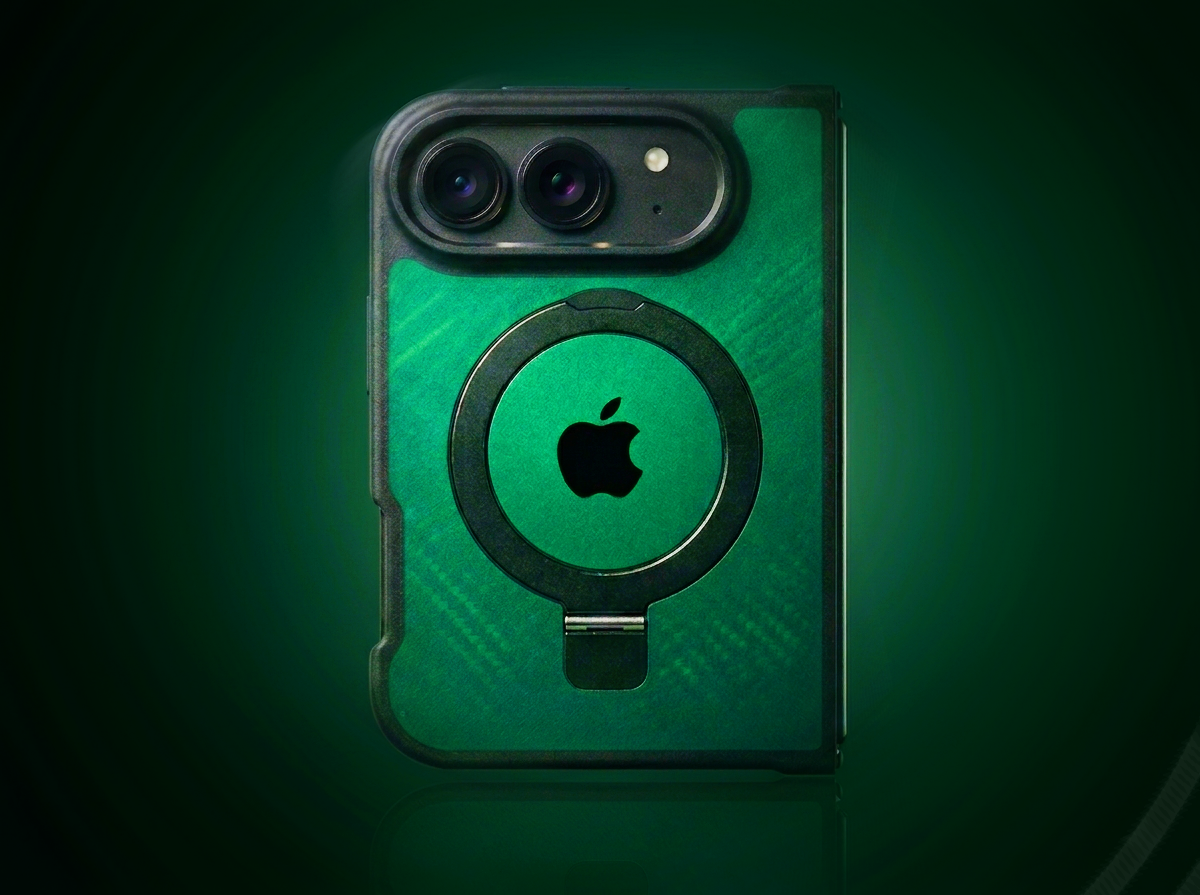
Samsung Galaxy Z Fold 8 Leaks: Wider Design and New Model Variants Revealed
Recent industry disclosures indicate that Samsung is preparing a fundamental shift in the design language of its foldable smartphone lineup, with reports focusing on a new iteration currently referred to as the Galaxy Z Fold 8 “Wide.” This development marks a departure from the narrow aspect ratio that has characterized the series since its inception, aiming to provide a more conventional smartphone experience when the device is in its folded state.
Design Adjustments and Ergonomic Shifts
Leaked documentation and imagery suggest that the upcoming hardware will prioritize a broader front display. For several years, users and industry analysts have noted that the Galaxy Z Fold series utilized a tall, narrow outer screen that required a period of adjustment for standard typing and application navigation. The proposed “Wide” model appears to address these ergonomic criticisms directly by widening the chassis, potentially aligning the device’s dimensions more closely with standard flagship smartphones.

Beyond the change in aspect ratio, the reports highlight a significant reduction in the device’s thickness. Samsung appears to be targeting a profile that would make the Z Fold 8 one of the thinnest foldable handsets in its portfolio. This reduction in volume is expected to be achieved through advancements in hinge engineering and internal component stacking, though specific technical specifications regarding battery capacity or internal cooling systems remain unconfirmed by the manufacturer.
Market Positioning and Nomenclature
The internal designation of the device as the “Wide” model has prompted industry speculation regarding the future of Samsung’s product hierarchy. While early reports suggested this could represent a standard iteration of the Z Fold 8, other sources have linked these design changes to a potential “Ultra” variant. This shift in naming strategy creates uncertainty regarding whether the wider form factor will replace the traditional design or serve as a premium, high-end alternative within the current product ecosystem.
The pressure to innovate in the foldable sector has intensified as competitors in the global market have begun adopting wider, more ergonomic aspect ratios for their own foldable devices. Samsung’s decision to move toward a broader display suggests a strategic pivot to retain market share among users who have previously cited the narrow outer screen as a primary barrier to adoption.
Institutional Status of the Project
Despite the proliferation of leaked images and technical descriptions, Samsung has not issued a formal statement regarding the final specifications or the official branding of the upcoming foldable handset. The company continues to maintain its standard development cycle, with internal testing of these form factors ongoing at its research and development facilities in South Korea.

Samsung has scheduled its next major product launch events for the coming months, where the company is expected to provide further clarity on its foldable roadmap and the potential integration of these design changes into its commercial offerings.