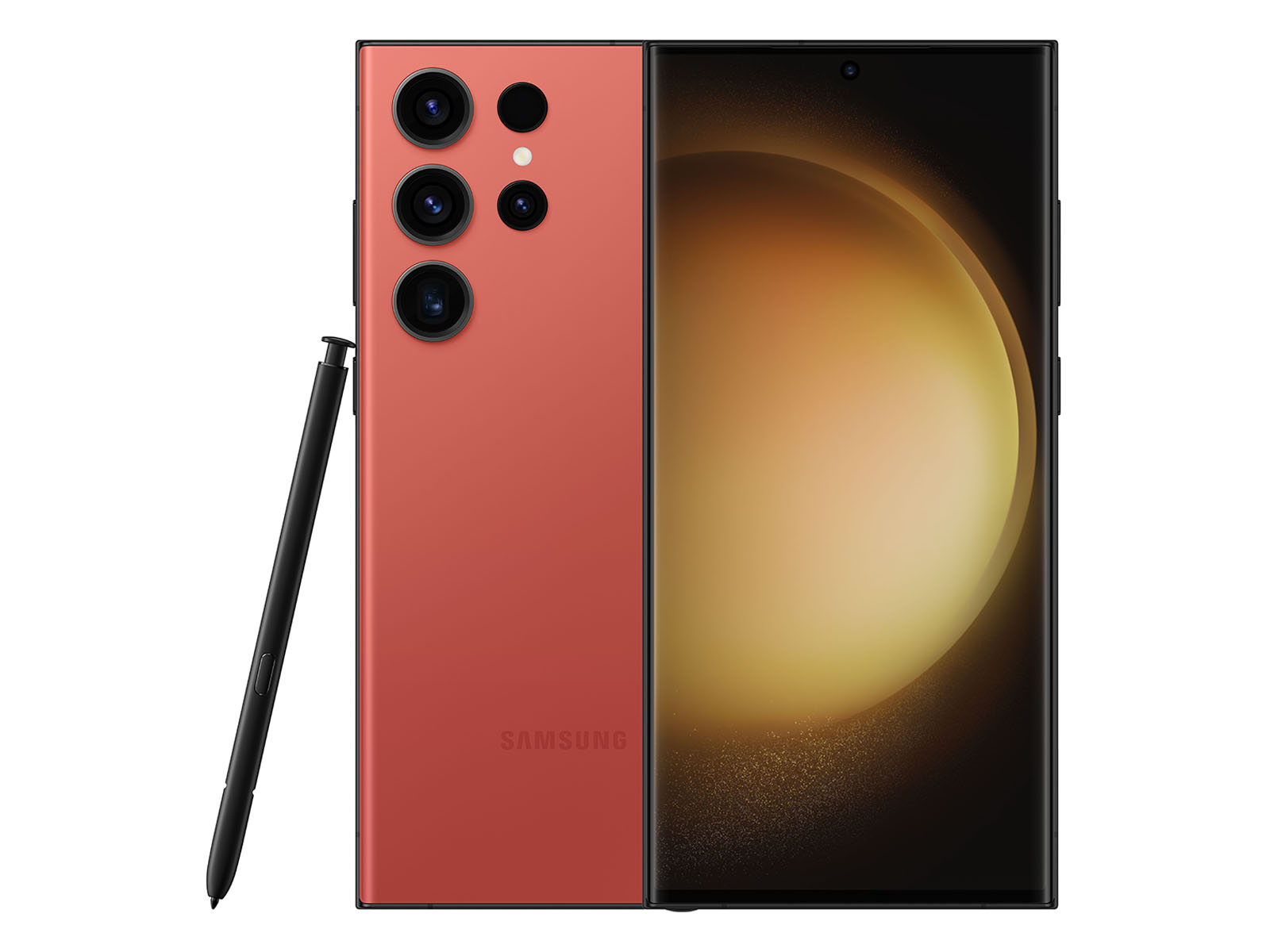
Samsung Galaxy Z Fold 8 and Z Fold 8 Ultra Leaks: Unpacked London Event Details
Samsung Galaxy Z Fold 8 and Z Fold 8 Ultra: Technical Specification Breakdown
Ahead of the July 22nd Galaxy Unpacked event in London, leaked hardware specifications for the Samsung Galaxy Z Fold 8 and Z Fold 8 Ultra reveal a shift in industrial design toward a 4:3 aspect ratio and significant internal SoC adjustments. For enterprise users and mobile developers, these revisions represent a strategic pivot in display ergonomics and thermal management, moving away from the narrow, elongated outer screens that defined previous generations.
The Tech TL;DR:
- Display Geometry: A transition to a 4:3 aspect ratio addresses long-standing critiques regarding keyboard usability and app compatibility scaling.
- Hardware Tiers: The introduction of an “Ultra” variant suggests a bifurcated SoC strategy, likely prioritizing higher clock speeds or dedicated NPU throughput for on-device generative AI.
- Enterprise Deployment: The shift in form factor necessitates immediate testing of containerized UI elements and responsive web design breakpoints for IT administrators managing corporate device fleets.
Architectural Refinements and Performance Benchmarks
The Z Fold 8 series moves to address the latency and fragmentation issues inherent in non-standard aspect ratios. By adopting a 4:3 ratio, Samsung is aligning the Fold hardware closer to the standard Android tablet design language, which simplifies the task for developers utilizing Jetpack WindowManager. Performance expectations center on the latest Snapdragon 8-series silicon, utilizing a 3nm process node. According to internal performance whitepapers regarding mobile thermal envelopes, this smaller node architecture is critical for maintaining consistent clock speeds during sustained workloads, such as multi-window multitasking or local large language model (LLM) execution.

For developers looking to stress-test their applications on these new devices, ensuring your build pipeline supports the updated screen density is paramount. You can verify your current manifest configurations using the following snippet:
    # Check current screen configuration support

    adb shell dumpsys display | grep -E "mDisplayInfo|density"

    # Validate application layout responsiveness

    am start -n com.example.app/.MainActivity --es "force_aspect_ratio" "4:3"
Hardware/Spec Breakdown: Fold 8 vs. Fold 8 Ultra
| Feature | Galaxy Z Fold 8 | Galaxy Z Fold 8 Ultra |
|---|---|---|
| Display Ratio | 4:3 (Standard) | 4:3 (Enhanced) |
| SoC | Snapdragon 8 Gen 4 (Standard) | Snapdragon 8 Gen 4 (Overclocked) |
| Thermal Mgmt | Passive Vapor Chamber | Advanced Graphite/Active Cooling |
IT Triage: Enterprise Security and Fleet Management
The rollout of new flagship hardware always introduces a period of vulnerability where existing Mobile Device Management (MDM) profiles may not fully account for new sensor arrays or hardware-level security enclaves. Organizations planning to integrate these units into their infrastructure should consult with a specialized mobile security auditing firm to ensure that the device’s NPU-based encryption and biometric authentication layers are compatible with existing NIST SP 800-193 platform firmware resiliency guidelines.
As noted by lead maintainers in the Android Open Source Project, the transition to newer hardware abstractions requires rigorous testing of kernel-level drivers. If your organization relies on custom ROMs or highly secured, stripped-down Android distributions, engaging a software development agency for rapid porting and stability testing is the recommended path forward to avoid operational downtime during the deployment phase.
Future Trajectory: The Shift Toward On-Device Compute
The trajectory of the Z Fold series is clearly moving toward becoming a mobile “workstation-in-a-pocket.” By increasing the screen real estate and thermal capacity, Samsung is positioning the Ultra model to compete directly with mobile-first dev environments. As AI workloads migrate from the cloud to the edge, the reliance on high-performance NPU throughput will redefine hardware requirements for corporate procurement cycles. Firms that fail to account for these changes in their hardware refresh schedules risk technical debt as enterprise applications increasingly require the compute headroom these devices provide.
Disclaimer: The technical analyses and security protocols detailed in this article are for informational purposes only. Always consult with certified IT and cybersecurity professionals before altering enterprise networks or handling sensitive data.
Worth a look
- Solar Storms: New Risks and the Proposed Plasma Shield for Earth
- Creating Kid-Friendly Spotify Accounts with Parental Controls and Private Profiles
- NASCAR Whelen Modifieds Event Update: White Mountain Motorsports Park (archyde.com)
- Best Samsung Galaxy A-Series Deals and Buying Guide 2026 (newsdirectory3.com)