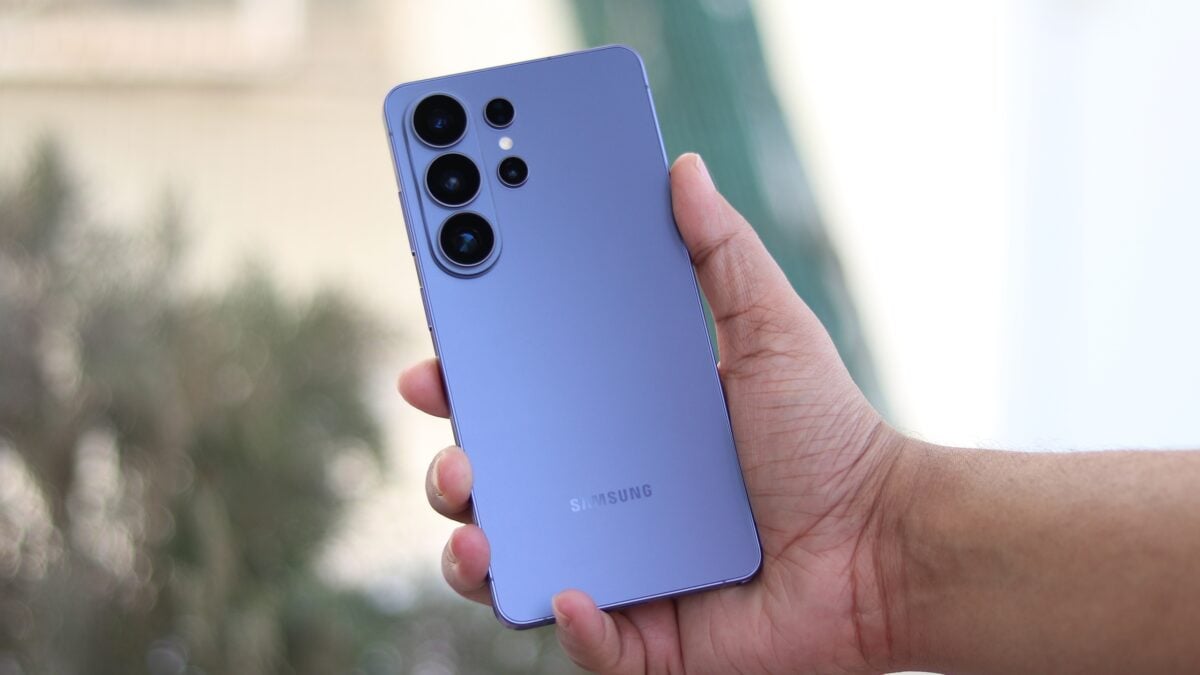
Samsung Galaxy S26 Sales Surge 15% Over Galaxy S25
Market Divergence: Analyzing the Galaxy S26’s 15% Sales Surge and the Ultra-Tier Dominance
The first six weeks of a flagship’s lifecycle are the ultimate stress test for product-market fit, and for Samsung, the initial telemetry is remarkably strong. While the industry often obsesses over launch-day hype, the sustained delta between the Galaxy S26 and its predecessor suggests a successful pivot toward high-margin, high-performance hardware.
The Tech TL;DR:
- Sales Velocity: The Galaxy S26 series outperformed the Galaxy S25 by 15% during its first six weeks on the market.
- Regional Disparity: Double-digit growth in the US and South Korea is offsetting performance headwinds in China, and Japan.
- The “Ultra” Factor: In Europe, the Galaxy S26 Ultra is capturing its highest share ever within the Galaxy S portfolio, bolstered by price stability.
The data, as reported by Counterpoint Research, indicates that the Galaxy S26 lineup is not just meeting expectations but actively outpacing the previous generation. This 15% jump in sales is part of a broader 5% increase in Samsung’s overall smartphone sales during the same period. However, looking past the aggregate growth reveals a complex landscape of regional volatility and shifting consumer preferences toward premium SKUs.
The Hardware Performance Delta: Market Metrics at a Glance
The divergence in market performance is stark when you segment by region and model tier. While the flagship series is finding massive traction in developed economies, the “shine” of the brand is being tested in key Asian markets. The following table breaks down the primary performance indicators reported during the initial six-week window:

| Metric Category | Galaxy S26 Series Performance | Context/Comparison |
|---|---|---|
| Initial 6-Week Sales | +15% | Vs. Galaxy S25 series |
| Total Samsung Smartphone Sales | +5% | Year-over-year growth |
| US & South Korea Growth | Double-digit % | Strong initial flagship demand |
| China & Japan Growth | Negative/Weakness | Lower than Galaxy S25 levels |
| European Portfolio Driver | Galaxy S26 Ultra | Highest share in S-series history |
The European market presents a particularly interesting case study in lifecycle management. By maintaining steady pricing across the continent for the newer models, Samsung has effectively lowered the barrier to entry for the premium tier. This strategy has allowed the Galaxy S26 Ultra to dominate the regional demand, essentially becoming the anchor for the entire Galaxy S portfolio in Europe.
NPU Throughput and the “Ultra” Premium
From a technical standpoint, the surge in Ultra-tier demand suggests that the market is prioritizing the silicon’s ability to handle increasingly complex on-device workloads. As mobile architectures shift toward heavy Neural Processing Unit (NPU) utilization for local LLM inference and computational photography, the “Ultra” hardware becomes a necessity rather than a luxury. The increased throughput required for these tasks creates a natural moat around the premium models.

“The shift in flagship demand toward the ‘Ultra’ tier is a direct response to the increasing computational requirements of on-device AI and NPU-driven workflows.”
This hardware-driven demand creates a specific set of challenges for IT departments and enterprise fleets. When transitioning large-scale organizations to a new flagship standard, the complexity of managing high-performance SoC (System on a Chip) architectures and ensuring security parity across diverse regional models cannot be overstated. As enterprise adoption scales, organizations should look toward Mobile Device Management (MDM) providers to automate deployment and configuration.
For developers and systems administrators managing these devices in the field, verifying the integrity of the firmware and the specific hardware revision is a critical first step in the deployment pipeline. Using the Android Debug Bridge (ADB), engineers can quickly audit the device’s identity to ensure it meets the required specification for enterprise security protocols:
# Querying device build information via ADB to verify model and firmware # Ensure the device is running the correct production build for your MDM profile adb shell getprop ro.product.model adb shell getprop ro.build.version.release adb shell getprop ro.build.display.idThe China/Japan Headwind and the Momentum Question
The weakness observed in China and Japan is a significant strategic friction point. While the US and South Korean markets are providing a robust buffer, the fact that demand in China and Japan is lower than it was for the Galaxy S25 suggests a potential erosion of brand dominance in those specific territories. If this trend continues, the reliance on developed Western markets may create a lopsided revenue profile that is vulnerable to regional economic shifts.

the post-launch plateau is already visible. The initial six-week surge represents the “enthusiast peak”—the period where the most tech-literate and early-adopting users secure the new hardware. As the market transitions into the broader consumer phase, the ability of the S26 series to maintain momentum will depend on whether the hardware’s value proposition can transcend the initial hype cycle.
For the average consumer, maintaining the peak performance of these high-spec devices over a multi-year lifecycle is essential. This often requires moving beyond standard software updates and ensuring that physical hardware integrity is maintained through certified electronics repair specialists to prevent thermal issues or battery degradation from impacting the SoC’s efficiency.
The Galaxy S26’s performance is a testament to the power of the premium tier, but the regional divergence serves as a warning. Samsung has successfully captured the high-end market, but the battle for long-term global dominance in the face of regional headwinds remains the real engineering challenge.
*Disclaimer: The technical analyses and security protocols detailed in this article are for informational purposes only. Always consult with certified IT and cybersecurity professionals before altering enterprise networks or handling sensitive data.*