
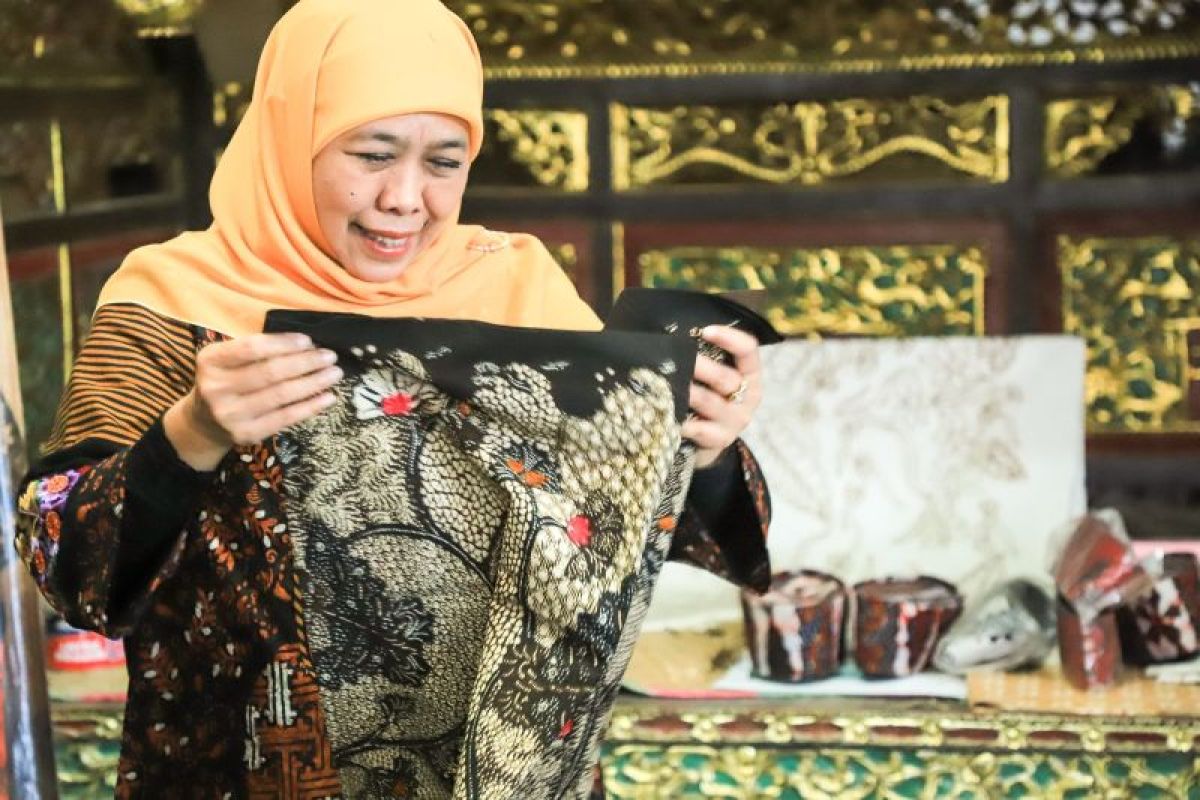
East Java Governor Champions Sampang Batik, Calls for Increased Recognition of Madura’s Cultural Treasure
Surabaya, East Java – In a push to preserve Indonesia’s rich artistic heritage, East Java Governor Khofifah Indar Parawansa today publicly advocated for greater thankfulness and promotion of Sampang Batik, a distinctive hand-written batik originating from the Madura region. The Governor highlighted the batik’s unique qualities – particularly its vibrant, naturally-derived colors – and urged locals to support the artistry and industry behind it.
Sampang Batik stands out for its meticulous hand-drawn designs and commitment to natural dyes, a technique reminiscent of the famed batik of Cirebon. While sharing stylistic similarities with batik from neighboring Pamekasan, Sampang’s color palette offers a brighter, more defined aesthetic. This reflects the interwoven cultural influences present throughout the Indonesian archipelago,Governor Parawansa explained,emphasizing that batik is far more then just a textile – it’s a living cultural asset.
“A batik artist is simultaneously an artist and an industry player,” she stated. “The creation of batik is a remarkable process, a testament to generations of skill and creativity.”
Though, despite its extraordinary quality, Sampang Batik currently lacks the market recognition enjoyed by other Madura batiks like Tanjung Bumi (Bangkalan) and Pamekasan Batik, the latter gaining traction with its bold colors and contemporary designs. The Governor’s call to action aims to rectify this imbalance, encouraging wider support for all East Java’s batik artisans.
Beyond the Immediate Appeal: Understanding Indonesian batik
Batik, a technique of wax-resist dyeing applied to whole cloth, has been practiced in indonesia for centuries. Recognized by UNESCO as a Masterpiece of Oral and Intangible Heritage of Humanity in 2009, batik holds deep cultural meaning, often incorporating symbolic motifs representing beliefs, social status, and local narratives.
Hand-written batik,like that produced in Sampang,represents the highest level of skill and artistry.Unlike stamped or printed batik, each design is meticulously drawn onto the fabric with hot wax using a canting – a small, spouted tool – before being dyed. This process is incredibly time-consuming and requires years of dedicated practise to master.
The growing global interest in sustainable and ethically-sourced products is further bolstering the appeal of conventional batik, particularly those utilizing natural dyes. Recent data shows a important increase in batik exports, with a 76% growth reported in the frist quarter of 2024, reaching US$7.63 million (according to Indonesian Minister of Trade).
Supporting Sampang Batik: A local Workshop’s Story
The governor’s support is already resonating with local artisans. Ali Imron, owner of the Shalempang Handwritten Batik Workshop, expressed gratitude for the provincial government’s backing. His workshop, a seventh-generation family business founded in 2001, is currently pursuing Halal and Green Industry certifications, demonstrating a commitment to ethical and sustainable practices. Shalempang has also benefited from participation in East Java’s Trade Mission program, expanding its reach to new markets.
Looking ahead, initiatives like the 2025 Gelar Batik Nusantara aim to engage a younger Indonesian audience with the art of batik, ensuring its continued relevance and preservation for future generations. Governor Parawansa emphasized her dedication to fostering the batik industry, recognizing it as a vital component of East Java’s cultural identity and economic prosperity.
Key Details Not included in the Original Article:
UNESCO Recognition: The article didn’t mention batik’s designation as a UNESCO Masterpiece of Oral and Intangible Heritage.
Batik Technique Clarification: A brief explanation of the canting and the hand-drawn process was added for broader understanding. Sustainability Angle: The connection between traditional batik and the growing demand for sustainable products was highlighted.
Recent Export Data: The 76% growth in batik exports in Q1 2024 was included to demonstrate market trends.
Gelar Batik Nusantara Initiative: Details about the 2025 event targeting younger audiences were added.
Emphasis on Ethical Certifications: The workshop’s pursuit of Halal and Green Industry certifications was given more prominence.
