Same-Day 3D-Printed Zirconia Dental Crowns: The Future of Restorations
Researchers at the University of Texas at Dallas have developed a thermal processing technology that shrinks the post-printing debinding phase for 3D-printed zirconia from a 20-to-100-hour ordeal down to under 30 minutes, according to findings published in the journal Ceramics International. This breakthrough clears the primary technical barrier preventing chair-side production of permanent, all-ceramic dental restorations in a single patient visit.
The Tech TL;DR:
- The Breakthrough: UT Dallas engineers paired porous graphite felt with a vacuum system to cut zirconia debinding times from up to 100 hours to under 30 minutes.
- The Material: Zirconia remains the gold standard for permanent dental crowns and bridges due to strength and durability, contrasting with weaker ceramic resins currently used in rapid 3D printing.
- The Trade-off: While the method removes the thermal bottleneck, the technology still requires formal clinical validation and regulatory approval before hitting commercial dental practices.
Engineering the Zirconia Processing Bottleneck
Dental crowns act as protective caps over decayed or broken teeth and form anchor points for dental bridges replacing missing structures. While same-day crowns already exist in modern clinics, they rely on subtractive milling—carving restorations from solid zirconia blocks. Milling restricts geometric complexity and introduces micro-cracks during milling or sintering. Additive manufacturing offers precise color matching and geometry customization, but existing 3D-printable options are restricted to ceramic resins lacking the strength of zirconia.
The core challenge of 3D printing zirconia has always lived in the post-processing pipeline. Once a zirconia crown leaves the printer, it consists of ceramic particles bound together by a polymer resin. Eliminating that polymer requires debinding, a slow thermal process that drives off the binder. Dr. Majid Minary, professor of mechanical engineering in the Erik Jonsson School of Engineering and Computer Science at UT Dallas, explained the physical constraints of rapid heating: if the polymer turns to gas too quickly and cannot escape, the crown may crack or fracture. Traditionally, managing this outgassing required a 20-to-100-hour window.
The Thermal Architecture of the UT Dallas Solution
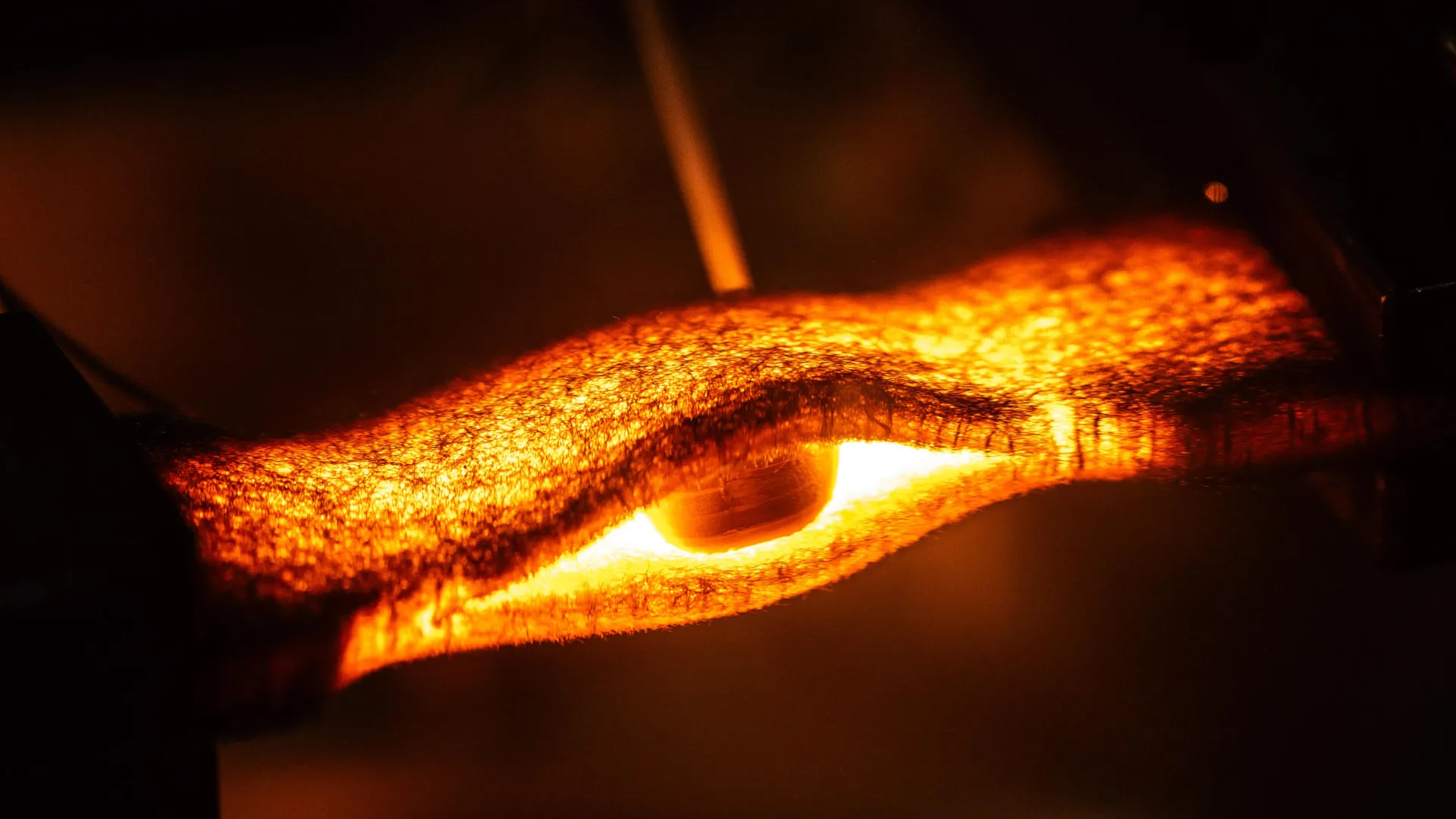
To solve the outgassing dilemma without sacrificing structural integrity, the UT Dallas research team—backed by support from the National Science Foundation (NSF)—engineered an apparatus that combines high-temperature porous graphite felt capable of exceeding 2,550 degrees Fahrenheit with an active vacuum system. As the system surrounds the 3D-printed restoration, the graphite felt manages heat transfer while providing pathways for gases to vent safely. Concurrently, the vacuum removes the gases from the surrounding area before pressure can build.

This hardware configuration directly slashes the debinding phase to less than 30 minutes. Once debinding completes, the crown enters sintering, a high-temperature kiln firing process analogous to baking clay that fuses the remaining zirconia particles into a dense, hardened clinical restoration. By compressing the thermal cycle into a shorter timeframe, the workflow edges additive manufacturing closer to genuine chair-side efficiency.
Implementation Pipeline and Deployment Realities
curl -X POST "https://api.lab-thermal-ctrl.local/v1/sintering/run"
  -H "Authorization: Bearer token_sec_99a8b"
  -H "Content-Type: application/json"
  -d '{
    "material": "zirconia_v2",
    "target_temp_fahrenheit": 2550,
    "debind_duration_mins": 28,
    "vacuum_draw_active": true,
    "graphite_felt_zone": "primary_chamber_A"
  }'
Despite the velocity gains in thermal processing, the technology is not yet ready for immediate clinical drop-in. As noted in the source reports, the method requires comprehensive clinical validation and regulatory clearance before commercial distribution.
Future Trajectory for Chair-Side Additive Manufacturing
Disclaimer: The technical analyses and security protocols detailed in this article are for informational purposes only. Always consult with certified IT and cybersecurity professionals before altering enterprise networks or handling sensitive data.