Samantha Schweblin Wins Premio Aena Award for El Buen Mal
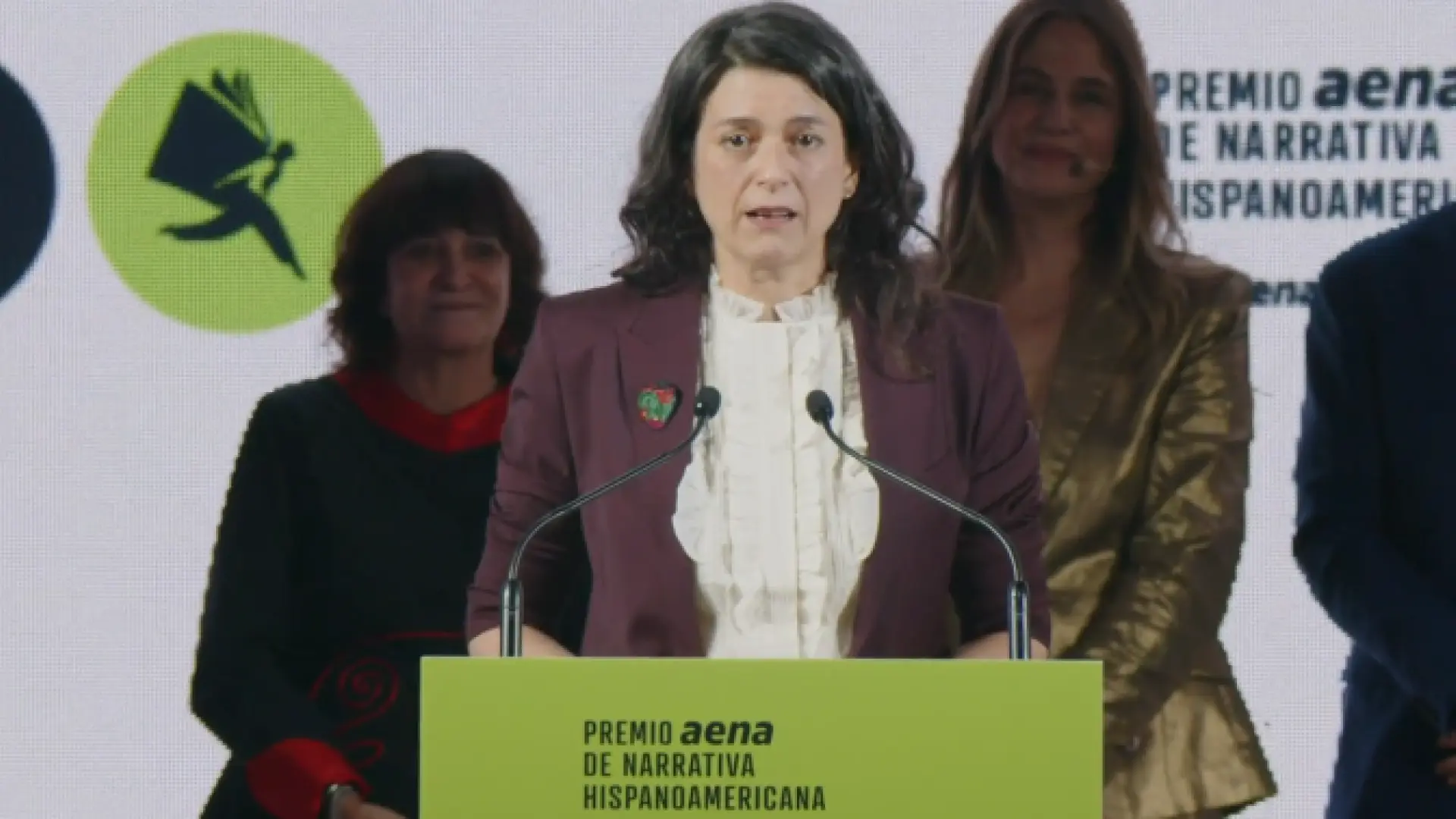
Argentinian author Samantha Schweblin won the inaugural Aena Prize for Hispano-American Narrative on April 8, 2026, in Barcelona. Her novel The Good Evil secured the one-million-euro grand prize during a gala at the Museu Marítim, with the jury praising her ability to construct disturbing, fascinating, and complex new worlds.
This represents more than a literary milestone; It’s a disruption of the cultural economy. By establishing a prize that equals the financial weight of the Planeta Prize, Aena—a state-controlled airport operator—has pivoted from infrastructure management to the curation of high-impact prestige. The move signals a calculated shift toward a “culture of spectacle,” where the immediate impact and shock value of a massive windfall are as central to the event as the prose itself.
A Night of High Stakes at the Museu Marítim
The atmosphere in Barcelona on Wednesday night was one of concentrated tension. The Museu Marítim served as the backdrop for a gathering that blended the austerity of high literature with the glamour of a corporate gala. At 9:30 PM, the silence of the maritime halls was broken by the announcement that Samantha Schweblin, representing Argentina, had ascended to the top of the list.
The win was not without stiff competition. Schweblin emerged victorious from a pool of five elite finalists, including Nona Fernández, Héctor Abad Faciolince, Marcos Giralt Torrente, and Enrique Vila-Matas. Although the winner claimed the million-euro jackpot, the other four finalists were each awarded 30,000 euros, a gesture that acknowledges their status while maintaining a stark hierarchy of reward.
The selection process focused on books already published, removing the traditional “unseen manuscript” gamble and instead rewarding established excellence. Schweblin’s The Good Evil, published by Seix Barral, was singled out for its hypnotic quality.
“It masterfully navigates the border between the possible and the impossible with hypnotic prose. It is a book of haunting beauty that places the tradition of the short story at its highest point.”
These words, delivered by Rosa Montero as she revealed the winner, underscore the jury’s intent: to reward literature that challenges the reader’s perception of reality.
The Corporate Engine Behind the Art
The most provocative aspect of the prize is its benefactor. Aena is not a traditional cultural foundation; it is a company with 51% state capital, currently led by Maurici Lucena. The decision to inject a million euros into a single literary work is a bold branding exercise. By aligning itself with the Fundación Gabo and the Vargas Llosa chair, Aena is purchasing a specific type of intellectual legitimacy.

This intersection of state-backed corporate power and avant-garde literature creates a complex set of challenges for the recipients. A sudden million-euro windfall, especially for an artist operating across international borders, is a logistical and fiscal minefield. The transition from a working writer to a millionaire overnight requires immediate intervention from wealth management consultants to ensure the capital is preserved and grown rather than eroded by mismanagement.
because the prize is awarded to a work already published by a house like Seix Barral, the legal ramifications regarding intellectual property and royalty structures become paramount. Authors in this position often find themselves needing intellectual property attorneys to renegotiate contracts or shield their assets from the sudden glare of extreme financial success.
The Paradox of Perfection and Spectacle
While the gala celebrated the “impact” of the prize, the artists involved remained grounded in the grueling reality of the craft. The contrast was most evident in the reflections of the finalists.
“We all fail on that impossible path of perfection that is writing.”
This admission by Enrique Vila-Matas serves as a necessary counterweight to the spectacle. It highlights the tension between the “culture of the spectacle” pursued by Maurici Lucena’s Aena and the internal, often failing, struggle of the writer. The prize celebrates the finished, polished product, but the process is one of systemic failure and revision.
For the finalists, the experience was one of shock. Some described the mere act of being shortlisted as a “great surprise,” suggesting that in the world of high literature, the validation of peers and juries often outweighs the monetary value, even when that value reaches seven figures.
Navigating the New Literary Economy
The Aena Prize represents a new era where cultural prestige is leveraged as a corporate asset. When state-owned entities enter the arts with this level of capital, it alters the incentive structure for writers and publishers alike. We are seeing the emergence of “mega-prizes” that can fundamentally change a writer’s life and the trajectory of their career.
Although, this level of visibility brings scrutiny. For an international winner, the tax implications of a Spanish-administered prize are staggering. Navigating the treaties between Spain and Argentina to avoid double taxation is not a task for the amateur. It requires the expertise of international tax specialists who can manage the cross-border flow of such a significant sum.
The long-term impact of the Aena Prize will be measured not just by the books it elevates, but by how it reshapes the relationship between the state, the corporation, and the creator. By funding the “border between the possible and the impossible,” Aena has ensured that its brand is now inextricably linked to the most prestigious tier of Hispano-American narrative.
As the literary world absorbs the shock of this inaugural award, the lesson is clear: the boundary between corporate branding and artistic excellence has dissolved. For those who find themselves suddenly thrust into the spotlight of such immense wealth and fame, the only defense is professional preparation. Whether it is securing the rights to a global masterpiece or managing a windfall that rivals a corporate budget, the right guidance is the only thing that prevents a triumph from becoming a liability. The World Today News Directory remains the definitive resource for connecting visionaries with the verified professionals capable of managing the complexities of global success.