
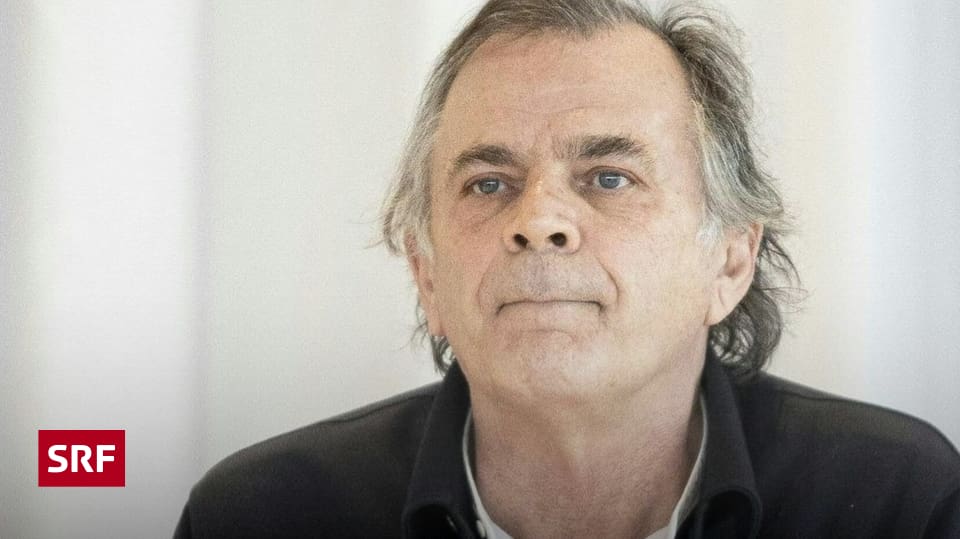
Salzburg Festival Director Markus Hinterhäuser Suspended
The Salzburg Festival has suspended its Intendant, Markus Hinterhäuser, creating a sudden leadership vacuum just months before its summer season. This administrative shake-up threatens the institution’s brand equity and operational stability, signaling an urgent need for crisis management and interim executive leadership to preserve the festival’s global standing.
In the high-stakes world of classical music and high culture, the Salzburg Festival is not merely a series of concerts; it is the Olympic Games of the arts. It is a brand built on centuries of tradition, Mozartian legacy, and immense financial backing. So, when the news broke that Intendant Markus Hinterhäuser had been placed on leave effective immediately, the shockwaves weren’t just cultural—they were logistical and financial. We are looking at a governance crisis occurring in late March, a critical window where final programming locks are set, sponsorship renewals are signed, and talent contracts are finalized for the July and August run.
This isn’t a standard personnel rotation. The term “beurlaubt” (suspended/temporarily relieved of duty) implies an active investigation or a severe breakdown in trust between the artist-administrator and the governing board. In the corporate world, a CEO stepping down four months before the fiscal year’s biggest revenue event triggers an immediate lockdown of assets and a deployment of damage control teams. The arts are no different. The silence from the festival’s press office regarding the specific cause of the suspension is deafening, and in the court of public opinion, silence is often interpreted as guilt or incompetence.
When an institution of this magnitude faces a sudden leadership decapitation, the immediate priority shifts from artistic curation to reputation preservation. The brand equity of the Salzburg Festival is its most valuable asset, and it is currently vulnerable. Standard corporate communications rarely suffice for cultural institutions, which operate on a delicate balance of public funding, private patronage, and artistic integrity. The board’s next move must be to engage elite crisis communication firms and reputation managers who specialize in high-profile non-profit and cultural governance. They need to control the narrative before the tabloids or industry trades fill the void with speculation that could alienate donors and subscribers.
“In the arts, a sudden suspension of an Intendant is a red flag for sponsors. They aren’t just buying tickets; they are buying association with stability and excellence. If the leadership looks chaotic, the checkbook closes. You need a interim leader who can project absolute calm within 48 hours.”
The timing is particularly precarious. We are deep in the planning phase for the summer season. An Intendant is the visionary who greenlights productions, negotiates with star conductors and directors, and manages the delicate egos of the creative talent. Removing that figurehead creates a power vacuum that can stall production timelines. Who approves the budget overruns? Who handles the diplomatic relations with the Austrian government and local stakeholders? This is where the operational machinery of the festival risks grinding to a halt without immediate intervention.
To navigate this, the festival administration must look beyond internal promotion and consider bringing in heavy-hitting interim management and executive search firms with specific experience in large-scale cultural events. The interim leader needs to be a stabilizer, someone with the authority to sign off on contracts and the diplomatic weight to reassure the artistic community that the reveal will go on. This is not the time for an internal power struggle; it is a moment for decisive, external leadership to bridge the gap until a permanent successor is named.
the financial implications cannot be overstated. The Salzburg Festival operates with a budget that runs into the tens of millions of Euros, reliant heavily on ticket sales and corporate sponsorship. Any hint of instability can trigger clauses in sponsorship deals or cause hesitation in ticket renewals for the following year. According to standard industry metrics for major European festivals, a leadership scandal can impact donor retention rates by up to 15% in the subsequent fiscal year if not managed with transparency and speed. The board must demonstrate that the artistic product remains untouched by the administrative turmoil.
This situation also highlights the complex legal frameworks governing public cultural institutions in Europe. Unlike a private studio in Hollywood, the Salzburg Festival is intertwined with public funding and state oversight. Any suspension involves intricate labor laws, contractual obligations, and potentially sensitive internal investigations. The organization would be wise to retain top-tier entertainment and media law firms to navigate the liability issues. Ensuring that the suspension is legally watertight prevents future litigation that could drag the festival’s name through the mud for years, long after the summer season has concluded.
From a production standpoint, the logistical engine of the festival is massive. It involves housing hundreds of artists, managing security for high-profile attendees, and coordinating with local vendors for stage construction and hospitality. The uncertainty at the top trickles down. Vendors and contractors need assurance that payments will be processed and that the chain of command remains intact. This is a prime moment for the festival to lean on established regional event security and A/V production vendors who have long-standing relationships with the institution, using those partnerships to maintain operational continuity while the C-suite sorts itself out.
the suspension of Markus Hinterhäuser is a stress test for the Salzburg Festival’s governance structure. The arts world is watching closely. How the board handles the next 30 days will define the festival’s trajectory for the decade. Will they emerge with a renewed sense of purpose and a clarified vision, or will this become a cautionary tale of administrative dysfunction? The answer lies in their ability to professionalize the crisis, treating it not just as an artistic dispute, but as a complex business challenge requiring specialized legal, PR, and management expertise. The curtain hasn’t fallen yet, but the backstage drama is currently the main event.