
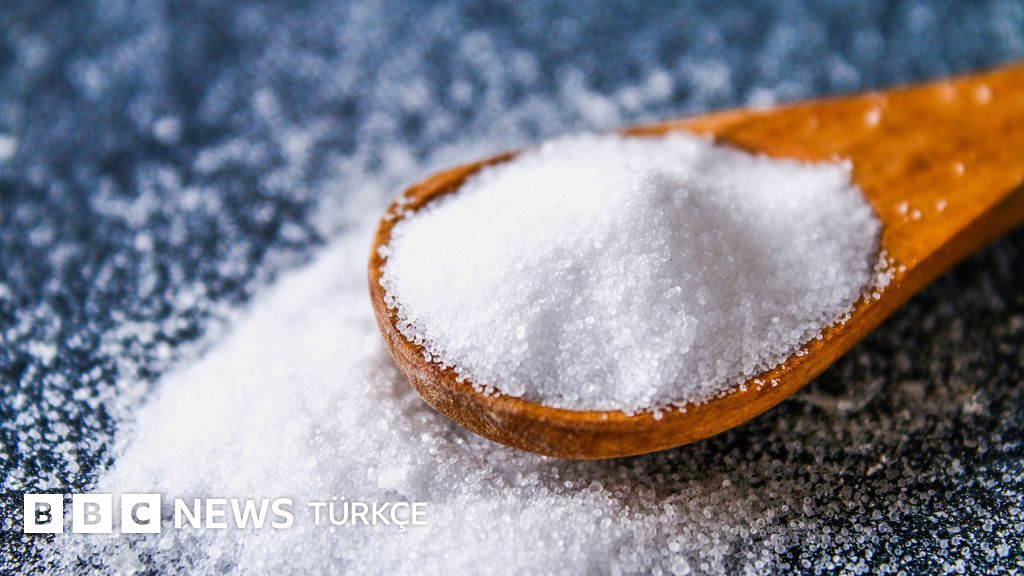
Challenging Conventional Wisdom: New Research Questions the Drive to Drastically reduce Salt Intake
LONDON – for decades, public health campaigns have urged individuals to reduce salt consumption to combat high blood pressure and heart disease. Though,emerging research is challenging this long-held belief,suggesting that severely restricting salt intake may actually be harmful,particularly for specific populations. Studies indicate that excessively low salt consumption could be linked to worse health outcomes in individuals with heart failure, and even an increased risk of mortality for those with, or without, existing hypertension.
The debate centers on finding the optimal salt intake level, rather than advocating for drastic reduction across the board. While high salt consumption is undeniably linked to health problems, recent findings suggest a “sweet spot” exists, and that pushing intake too low can be detrimental. This has meaningful implications for dietary guidelines and public health recommendations, potentially impacting millions worldwide.
A 2020 study revealed that restricting salt intake led to poorer health results in younger individuals and peopel of color diagnosed with heart failure. Further supporting these findings, a study encompassing 170,000 participants demonstrated that consuming less than 7.5 grams of salt per day - considered “low” in the study – correlated with an increased risk of both death and cardiovascular-related death, even when accounting for pre-existing high blood pressure, compared to those consuming an “average” intake of 12.5 grams daily.
Andrew Mente, of the University of Ontario, who led the larger study, concluded that reducing salt intake from high levels to average levels can lower the risk of hypertension. However, the research suggests that further reduction to “low” levels may not provide additional benefit and could even be harmful.
Not all experts agree on the universality of these findings. Some maintain that reducing salt intake is beneficial for everyone, irrespective of current consumption levels, and remains a crucial step in managing blood pressure.
Though, a growing number of researchers propose that the negative effects of excess salt can be mitigated through a diet rich in potassium-containing foods, such as fruits, vegetables, and dairy products. The emphasis is shifting from complete salt avoidance to increased awareness of hidden salt content in processed foods and a focus on a balanced dietary approach.
Such as, 250 grams of popcorn can contain as much as 5 grams of salt – nearly the recommended daily allowance. This highlights the importance of mindful consumption and reading food labels to understand true sodium intake.
