
Novo Nordisk Faces Sales Slump Amid Fierce Competition and Tariff Threats
European pharma giant cuts forecasts, sheds weight-loss drug candidates
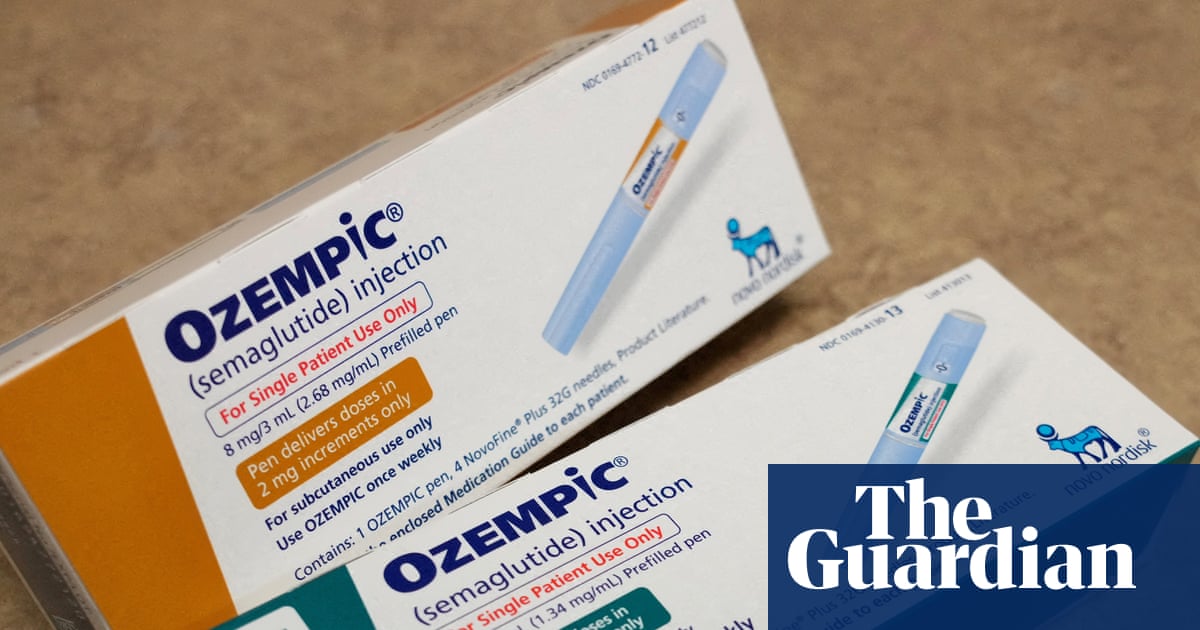
Novo Nordisk, once Europe’s most valuable company, is grappling with a significant slowdown in sales for its blockbuster diabetes and obesity drugs, including Ozempic. The Danish pharmaceutical giant has seen its market value plummet by nearly $100 billion following a sharp reduction in its full-year sales projections.
Competitors Chip Away at Market Share
Sales of Novo Nordisk’s GLP-1 based medications, such as Ozempic, experienced a stark deceleration, growing by only 8% in the first half of the year, a considerable drop from last year’s 21% increase. While obesity drug sales, including Wegovy, still saw a robust 56% rise, bringing total sales to 155 billion Danish kroner (£18 billion), the overall growth trajectory has faltered. The company is facing intense pressure from U.S. rival Eli Lilly’s Mounjaro, which studies suggest is more effective, as well as cheaper, compounded versions of its own drugs. These copycat versions, some sold at “much lower price points,” represent a market “equal size to our business,” according to outgoing CEO **Lars Fruergaard Jørgensen**.
Navigating the Compounding Challenge and Policy Headwinds
Novo Nordisk is actively pursuing legal action against compounding pharmacies and is expanding its direct-to-consumer platform, NovoCare, in the U.S. The company is also exploring direct “cash sales” to patients in other markets. Finance chief **Karsten Munk Knudsen** detailed these strategies to mitigate the impact of compounding. The company’s outgoing chief executive, **Lars Fruergaard Jørgensen**, indicated that cost-cutting measures, including potential layoffs, are being considered to sharpen commercial execution and ensure efficiencies, though no final decisions have been made.
Future Growth Forecast Revised Downward
The company has recalibrated its 2025 sales growth expectations to a range of 8% to 14% at constant exchange rates, a significant reduction from its earlier forecast of 13% to 21%. In a further strategic move, Novo Nordisk has discontinued development of several weight-loss drug candidates, citing “portfolio considerations,” including one that had just completed a Phase II clinical study. This comes as the company faces a class-action lawsuit from investors alleging misleading growth forecasts in the lucrative weight-loss market.
Analysts note that potential U.S. tariffs, particularly under a section 232 investigation by former President **Donald Trump** that could impose levies of up to 250% on pharmaceutical imports, pose an additional threat. UBS analyst **Matthew Weston** commented that while President Trump’s proposal to reimburse GLP-1 obesity drugs in Medicare could boost volume, demands for “most-favoured-nation” pricing could diminish value. Derren Nathan, head of equity research at Hargreaves Lansdown, added that tariffs and drug pricing policies are critical issues for incoming CEO **Maziar Mike Doustdar** to address if Novo Nordisk is to reclaim its position as Europe’s most valuable company.
The competitive landscape is intensifying, with **Eli Lilly’s** Mounjaro already showing strong performance. In the first quarter of 2024, Eli Lilly reported its GLP-1 drugs generated $1.58 billion in revenue, a significant increase year-over-year, highlighting the growing demand in the market. Eli Lilly Q1 2024 Earnings Report.
