
Sag Harbor Weighs Chain Store Limits to Protect Main Street Character
Sag Harbor is weighing new restrictions to limit chain stores and protect Main Street from formula retail expansion, Newsday reported.
“businesses from opening along both sides of Main Street and portions of certain side streets, and require them to secure a special permit to open elsewhere in the village.” Inter-Science Research Associates said. The recommendations were developed by Inter-Science Research Associates following discussions with residents, businesses, and village officials, The Real Deal reported.
Under the draft proposal, any new retailer with 10 or more locations sharing standardized branding or operations would face the ban in core areas. The measure would also require a special permit to open elsewhere in the village.
Recent arrivals such as Steve Madden, Rag & Bone, and Madewell have heightened local debate over commercial rents and changing retail identity.
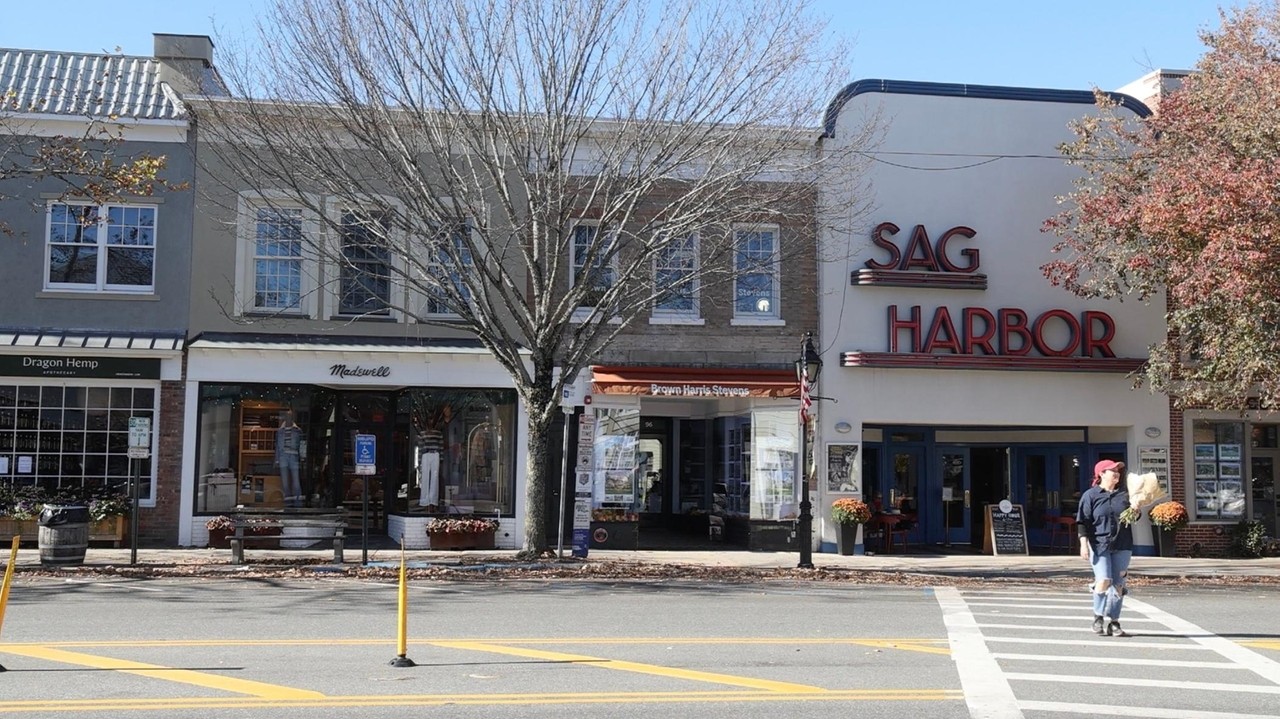
Proposals and exemptions
Inter-Science president Richard Warren presented the findings during a special village board meeting. He warned that waiting too long to regulate national brands could create irreversible changes.
“You could always ease up on it later, but if the village fills up the formula stores and the village starts closing down in the way you see in the other communities, you’re going to have a hard time dealing with it,” Warren told the village’s board of trustees, according to Newsday.
Essential services including banks, medical offices, and pharmacies would be exempt from the ban under the current draft, though they would remain subject to standard zoning rules. Warren noted on Oct. 29 that 10 existing businesses in the village meet the formula criteria, with more than half of those arriving in the last two years.
Stores currently operating in the village would be exempt from the new rules. Village leaders are now evaluating how the potential ordinance might affect commercial real estate and local business growth.
Community reactions and debate
Village officials and civic groups expressed support for safeguarding local character, while property owners raised concerns over commercial rights.
“I think that our goal is to keep the small-village feel with the shops that we have and to promote small businesses to come into the village,” Mayor Thomas Gardella said, according to Newsday and The Real Deal.
Bob Weinstein, co-director of the civic group Save Sag Harbor, called the recommendations “a step in the right direction” to prevent Main Street from turning into “Chain Street.” Marilyn Holstein, president of the Sag Harbor Chamber of Commerce, added that the historic downtown provides an experience residents want to preserve.

Conversely, local property owners questioned the necessity of the regulations. Lisa Field, owner of the Sag Harbor Variety Store on Main Street, voiced direct opposition to the zoning change.
“As a small-business owner who owns the property, I am adamantly against any further laws, rules or regulations whose goal is to limit my rights as a commercial property owner by dictating who I am allowed to rent or sell my retail space to,” Field told Newsday and The Real Deal.
Sag Harbor, an incorporated village straddling Southampton and East Hampton in Suffolk County, had a population of 2,772 in the 2020 census.
It was declared the first official United States port of entry on Long Island in 1789, with the first customs house erected there, and by that year handled more square-rigged tonnage than New York City. The entire business district is listed on the National Register of Historic Places as the Sag Harbor Village District.
Trustees weigh legislation
Village trustees discussed the proposed restrictions during a work session on Tuesday, indicating they would review formal legislation to implement the recommendations. No final timeline or vote date has been announced.