
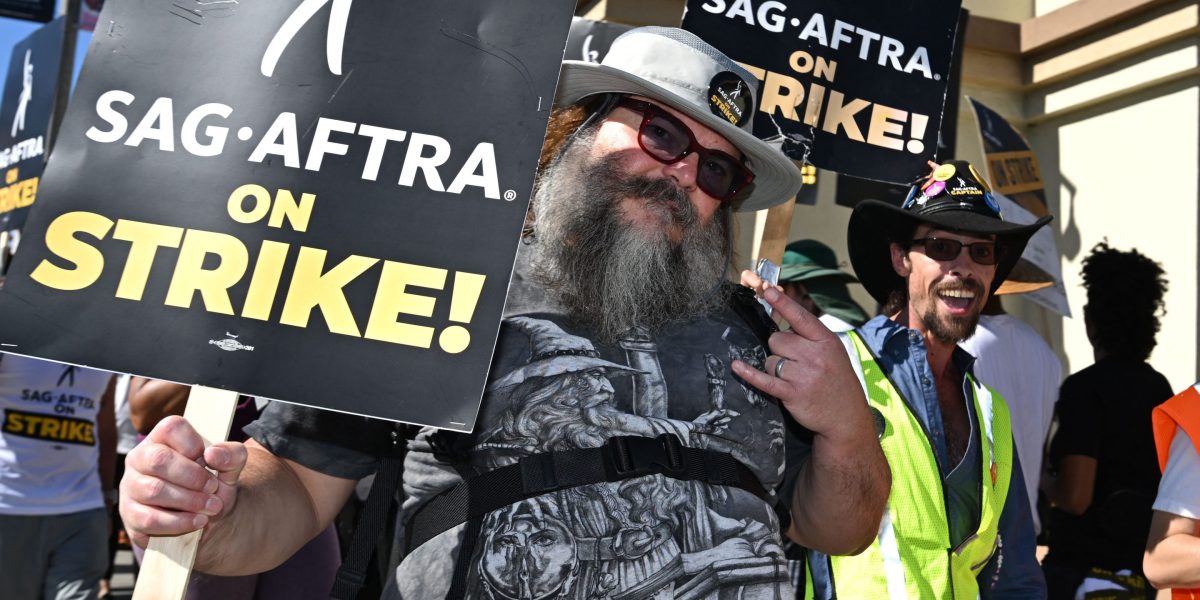
SAG-AFTRA Says Collective Bargaining Is Best Way to Regulate AI
SAG-AFTRA demands a “Tilly tax” on synthetic performers during 2026 contract negotiations. Executive Director Duncan Crabtree-Ireland targets AI cost parity to protect human labor economics. With the agreement expiring this June, studios face renewed pressure to regulate digital replicas amidst rising intellectual property disputes.
The clock is ticking toward June 2026, and the tension in Hollywood is palpable. While Dana Walden solidifies her Disney Entertainment leadership team across film, TV, and games, the labor force is drawing a hard line in the sand. The introduction of the “Tilly tax” represents more than a bargaining chip. it is a survival mechanism for human capital in an era where synthetic actors threaten to undercut union rates. This isn’t just about creativity; it is about the fundamental economics of production budgets and the valuation of likeness rights.
The Economics of Synthetic Labor
Crabtree-Ireland’s stance at the AFL-CIO workers’ summit clarifies the union’s strategy. Collective bargaining remains the fastest regulatory tool available, outpacing sluggish federal legislation. The proposed tax targets “synthetic” characters—digital entities like the controversial AI actress Tilly Norwood—that do not correspond to real people. The goal is simple: make using them cost as much as using real actors. If studios can generate a background performer for pennies on the dollar, the incentive to hire humans evaporates. The union aims to reset that balance sheet.
Industry data suggests the stakes are higher than ever. Production costs for high-end SVOD series have climbed 15% since 2024, according to internal variety industry reports. Studios are desperate to trim fat, and labor is the largest line item. AI promises efficiency, but unchecked adoption risks a total breakdown in trust between talent and management. We saw what happened in 2023. A four-month halt in production cost the California economy billions. No one wants a repeat, yet the push for automation accelerates.
“The legal framework for digital likeness is still catching up to the technology. Until the NO FAKES Act passes, contracts are the only shield actors have against unauthorized replication.” — Sarah Jenkins, Senior Partner at Jenkins & Associates Entertainment Law
Legislative support is forming alongside union pressure. The bipartisan NO FAKES Act, currently in the 119th Congress, seeks to give individuals ownership over their voice and likeness. This law would protect against unauthorized deepfakes, providing a statutory backbone to the contractual protections SAG-AFTRA secured after the last strike. However, relying on Congress is a gamble. The union prefers to lock these terms into the collective bargaining agreement now, rather than waiting for politicians to catch up.
Three Critical Impacts on Production
This shift in labor policy forces a restructuring of how productions are greenlit and managed. The ripple effects will be felt across casting offices, legal departments, and post-production houses. Here is how the “Tilly tax” and associated AI regulations will reshape the industry landscape:
- Budget Reallocation: Productions must now account for potential levies on synthetic performers. Line producers will require to adjust budgeting models to include these fees, potentially freeing up capital for human talent or reducing the overall scope of digital crowds.
- Legal Vetting: Every contract involving digital replicas requires rigorous scrutiny. Studios cannot rely on standard templates anymore. This is where specialized intellectual property counsel becomes non-negotiable to ensure compliance with both union rules and emerging federal statutes.
- Reputation Management: Public sentiment regarding AI in art is volatile. Using synthetic actors without clear disclosure risks backlash. Studios will need to deploy crisis communication firms to navigate the narrative around AI usage and maintain brand equity with audiences who value human storytelling.
The Studio Countermove
On the other side of the table, leadership changes signal a hardened stance. With Debra OConnell upped to DET Chairman under Dana Walden’s new Disney Entertainment structure, the studio side is consolidating power. The integration of film, TV, streaming, and games under one leadership umbrella suggests a unified front against labor demands. Games, in particular, rely heavily on voice acting and motion capture, sectors highly vulnerable to AI replication. A unified studio strategy could mean a tougher negotiation floor.
Talent agencies are already advising clients to audit their existing contracts. The definition of “digital replica” is broad, and loopholes exist. Agents are pushing for specific clauses that define compensation tiers for AI usage, ensuring that if a actor’s likeness is used in perpetuity, the backend gross reflects that longevity. This is not just about day rates; it is about securing long-term residual structures in a digital environment.
As the summer box office season approaches, all eyes will be on the negotiation table. The outcome will define the next decade of entertainment work. Will AI develop into a tool that augments human performance, or a replacement that dilutes the profession? The “Tilly tax” is the first real attempt to put a price on that question. For producers and talent alike, the solution lies in professional guidance. Navigating this transition requires more than just good faith; it requires expert talent representation and legal fortification to ensure that the human element remains valued in the metadata of the future.
Disclaimer: The views and cultural analyses presented in this article are for informational and entertainment purposes only. Information regarding legal disputes or financial data is based on available public records.