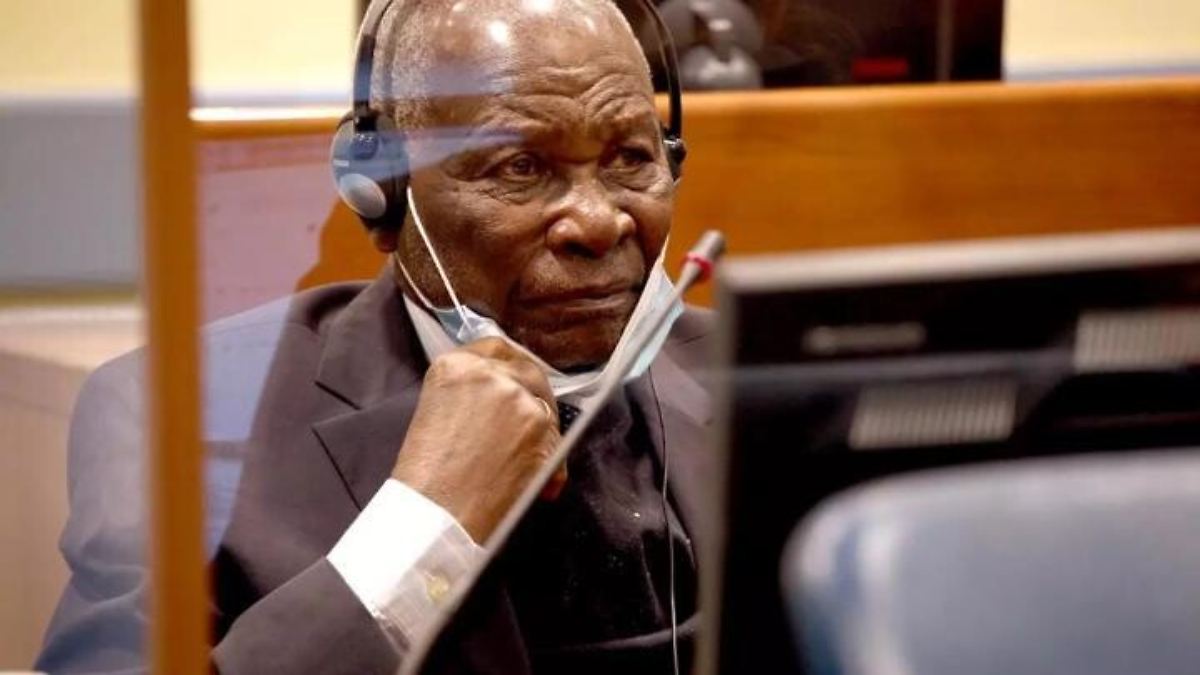
Rwandan Genocide Financier Félicien Kabuga Dies in Custody
Félicien Kabuga, a central suspect in the 1994 Rwandan genocide, has died in a hospital while in custody in The Hague, Netherlands. The U.N. International Residual Mechanism for Criminal Tribunals confirmed the death of the 91-year-old, who had been declared unfit to stand trial due to dementia in 2023.
The Closure of a Decades-Long Legal Odyssey
The death of Félicien Kabuga marks a definitive, if unresolved, chapter in the pursuit of international justice for the 1994 genocide against the Tutsi. Kabuga, who was accused of bankrolling and encouraging the mass killings that claimed approximately 800,000 lives, died while under the supervision of the United Nations. His passing in The Hague brings an abrupt end to a legal process that had been stalled by the biological realities of aging and cognitive decline.
The U.N. International Residual Mechanism for Criminal Tribunals released a statement on Saturday confirming that the medical officer of the U.N. Detention Unit was notified immediately following his death. In a move to ensure transparency and accountability within the international judicial system, an investigation has been ordered to establish the exact circumstances surrounding his passing.
For the international community, Kabuga’s death represents a collision between the mandate to achieve absolute legal accountability and the practical constraints of human frailty. While the pursuit of a formal conviction has been thwarted, the legal record established during his time in custody remains a critical component of the historical archive regarding the Rwandan genocide.
The legal battle was never a simple matter of criminal prosecution. it was a high-stakes effort to document the mechanics of state-sponsored incitement.
The Precedent of Biological Impairment in International Law
The trajectory of Kabuga’s case serves as a significant case study for the Foreign Affairs community and legal scholars worldwide. His trial, which commenced in 2022, was characterized by a fundamental tension: how can a tribunal fulfill its mandate to prosecute genocide while respecting the rights of a defendant who is no longer mentally competent?
In 2023, judges made the landmark decision to declare Kabuga unfit to stand trial due to his dementia. This ruling did not, however, result in the cessation of all judicial activity. Instead, the court established a specialized procedure to continue hearing evidence, effectively attempting to build a historical record of the crimes without the possibility of a formal conviction. This “evidentiary hearing” model is a rare and complex mechanism intended to satisfy the needs of victims and the historical record, even when the defendant cannot face traditional justice.

The charges against Kabuga were extensive and grave, reflecting his alleged role as a financier of the massacre. He was charged with:
- Genocide
- Incitement to commit genocide
- Conspiracy to commit genocide
- Persecution
- Extermination
- Murder
Throughout the proceedings, Kabuga maintained a plea of not guilty. Had he been able to stand trial and been convicted, he would have faced a maximum sentence of life imprisonment. His arrest in 2020 in France, following a long-standing $5 million bounty, had been viewed by many as a moment of significant progress for the Reuters-reported international justice movement.
The U.N. International Residual Mechanism for Criminal Tribunals has ordered an investigation into the circumstances of the death to ensure the integrity of the detention process.
Regional Stability and the Great Lakes Geopolitics
The death of a figure as central to the history of the Great Lakes region as Kabuga has immediate implications for the geopolitical landscape of East Africa. The 1994 genocide remains the foundational trauma of the modern Rwandan state, and the shadow of that conflict continues to influence diplomatic relations, border security, and regional integration efforts.
As the legal proceedings reach a natural conclusion, the focus shifts from individual culpability to the broader task of regional reconciliation and the prevention of renewed ethnic tension. The stability of the region is a primary concern for global powers and economic actors alike, as the Great Lakes region remains a critical corridor for trade and mineral resources.
The absence of a final verdict may leave a vacuum in the formal legal narrative, but it does not diminish the weight of the evidence gathered. For the survivors and the nation of Rwanda, the closure of this case is less about the death of a suspect and more about the enduring struggle to reconcile a violent past with a stable, developing future.
The Corporate Risk Landscape: Managing Historical Volatility
From a macro-economic perspective, the “long tail” of historical conflict in Africa presents a unique set of challenges for multinational corporations and institutional investors. The death of a key figure in a genocide-related trial underscores the reality that political and legal risks in emerging markets are often tied to historical grievances that can resurface decades later.
For firms operating in East Africa, particularly in sectors such as infrastructure, mining, and telecommunications, the ability to navigate these complex socio-political environments is paramount. The intersection of international law, regional stability, and historical accountability necessitates a sophisticated approach to risk management.
As regional dynamics evolve, multinational enterprises are increasingly turning to specialized partners to insulate their operations from sudden shifts in the political climate. To mitigate these risks, organizations are proactively engaging with:
- geopolitical risk consultants to model the impact of regional instability on supply chains and asset security.
- enhanced due diligence specialists to ensure that local partnerships do not inadvertently intersect with historical or sanctioned entities.
- international legal advisors to navigate the complex regulatory environments shaped by international tribunal precedents.
In an era of heightened scrutiny, the cost of failing to account for the historical and political nuances of a region can be catastrophic for both reputation and the bottom line. Ensuring that corporate strategy is informed by deep geopolitical intelligence is no longer optional; it is a requirement for long-term viability in volatile markets.
The passing of Félicien Kabuga closes a legal chapter, but the geopolitical and economic ripples of the 1994 genocide continue to shape the global chessboard. Navigating this complex terrain requires more than just capital; it requires the foresight and specialized expertise provided by the partners within the World Today News Directory.