Rwanda Accuses France of Yielding to Congo Over Francophonie Leadership
Rwanda’s push for a two-year extension for Louise Mushikiwabo as head of the Organisation Internationale de la Francophonie (OIF) collapsed in Phnom Penh, resulting instead in a one-year extension.
The outcome left the incumbent in place for twelve more months, a compromise that fell short of Kigali’s demands and deepened diplomatic rifts within the French-speaking bloc. The disagreement at the summit centred as much on Mushikiwabo’s candidacy as on the method for choosing a successor.
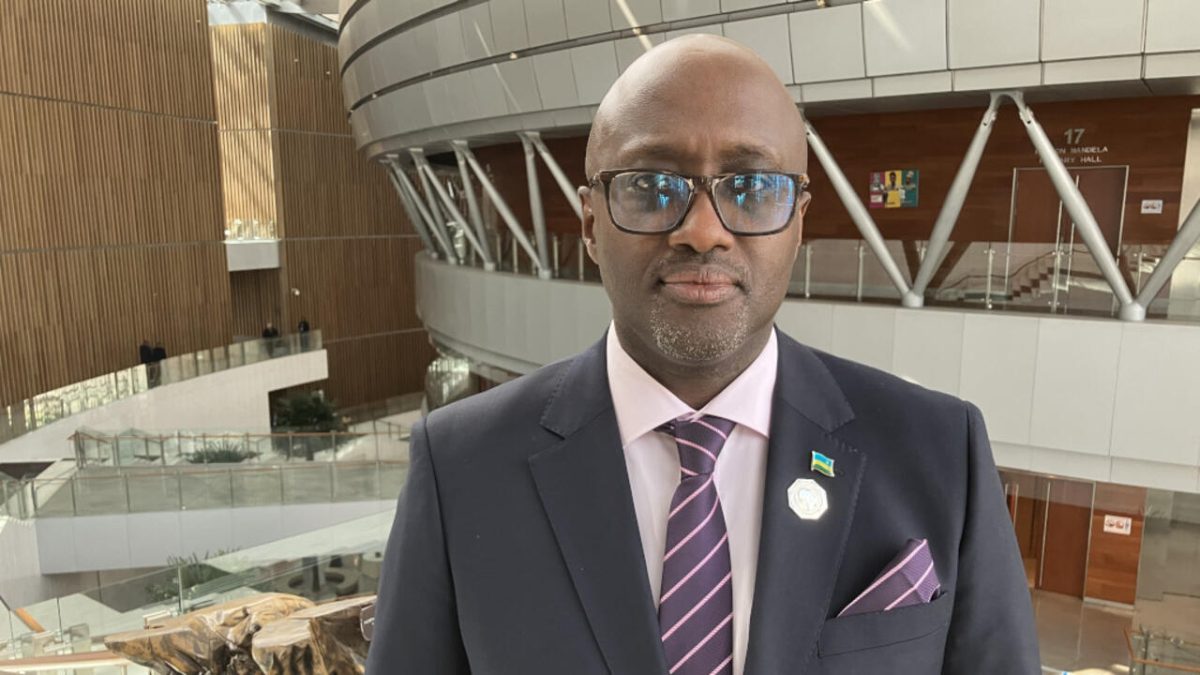
Rwandan Foreign Minister Olivier Nduhungirehe directly implicated France in the outcome. “The OIF is not Françafrique,” Nduhungirehe told Le Point Afrique, asserting that Paris had attempted to impose its preferred candidate as a collective decision.
In an interview with Viviane Forson published on 17 November 2026 in Le Point Afrique, Nduhungirehe accused France of yielding to pressure from the Democratic Republic of Congo, according to Afriquinfos. He does not contest France’s right to support another candidate but reproaches Paris for seeking to turn its preference into a collective decision.
🗣️ The Organisation Internationale de la Francophonie (#OIF) on Monday announced that it would postpone the election of its next secretary-general by one year. 🇨🇩 🇷🇼 This came after delegates from the #DRCongo threatened to walk out of the organisation if #Rwanda's Louise… pic.twitter.com/5Uu6Vam9vc
President Paul Kagame had championed a two-year extension for Mushikiwabo, a move backed by the leaders of Senegal, Togo, and Benin. However, several heads of state, including Emmanuel Macron, determined in closed sessions that a simple-majority vote would grant the next secretary general insufficient legitimacy.
This led African counterparts to reduce the extension to a single year. According to Nduhungirehe, the legitimacy argument was used to block a vote he believed would have favoured the outgoing candidate. The compromise leaves Mushikiwabo in post for twelve more months, with a reform of the selection process to prepare.
The Democratic Republic of Congo’s opposition to a third term for Mushikiwabo was rooted in the ongoing conflict in eastern DRC. Kinshasa accuses Rwanda of supporting the M23 rebellion and cited the war as justification for blocking the extension.
Congolese President Félix Tshisekedi, who had initially sought an interim administrator, ultimately accepted the one-year formula. Tshisekedi had initially wanted to entrust the interim to the OIF’s general administrator.
Nduhungirehe vehemently rejected any connection between the Francophonie leadership and the regional conflict. He directed Congolese grievances to the monitoring mechanisms of the Washington agreements and labeled Kinshasa’s threat to withdraw from the organization as “blackmail.”
He rejects the link between the conflict and the leadership of the Francophonie.
The deferral leaves the central question unanswered: whether members will accept a vote if consensus fails again at the next summit.