Russia’s Pivot to Asia: Challenges and Future of ASEAN Relations
<>
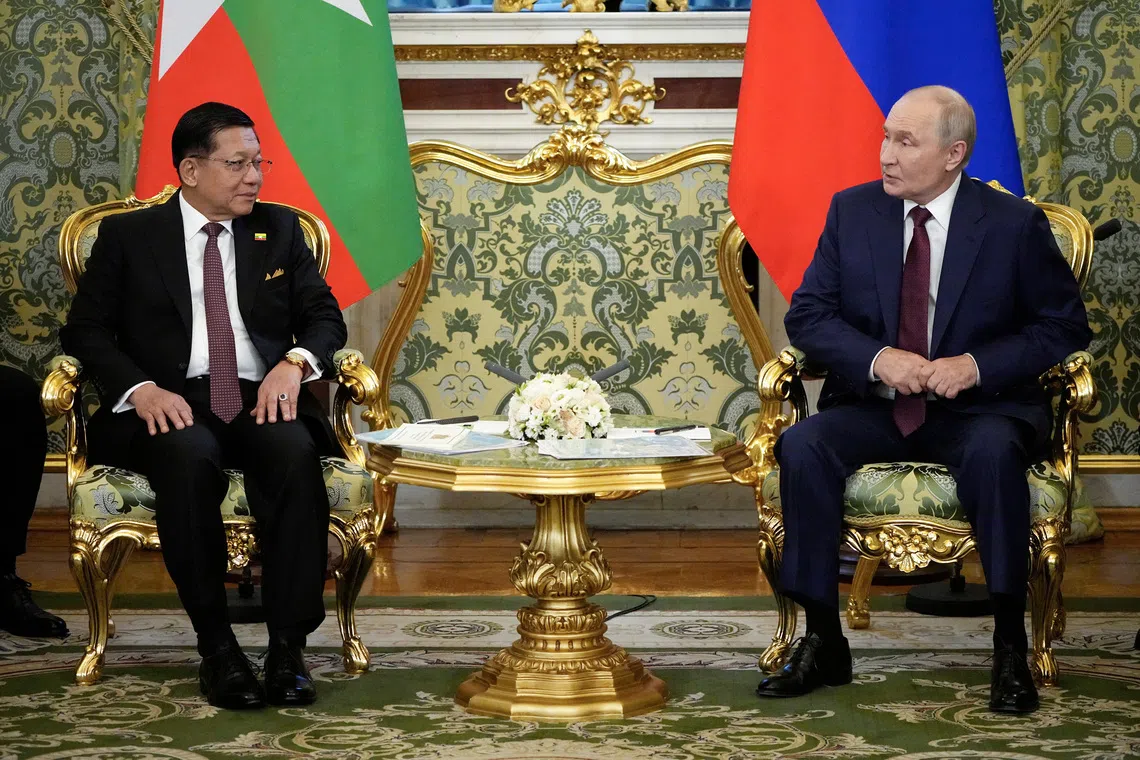
Russia has adjusted its strategic "pivot to Asia," increasingly prioritizing diplomatic and economic ties with isolated regimes over larger, mainstream regional economies, according to reporting by The Straits Times.
The Evolution of Moscow’s Eastern Strategy
The concept of Russia turning toward Asian markets gained heavy momentum following the 2014 sanctions regime imposed by Western powers. Moscow now directs substantial diplomatic capital toward heavily sanctioned or politically isolated governments.
Infrastructure Realities in Siberia and the Far East
Academic assessments of Russia's pivot consistently highlight a core domestic bottleneck: the state of infrastructure across Siberia and the Russian Far East.
Implications for Multilateral Frameworks
The pivot’s new direction also reverberates across multilateral bodies such as the Association of Southeast Asian Nations (ASEAN). As explored in exclusive commentaries published by the Asia News Network, the future of ASEAN-Russia relations is characterized by growing geopolitical volatility and the persistent question of principled, pragmatic non-alignment.
While some nations prioritize economic pragmatism, others tread carefully to avoid secondary regulatory friction with Western economies.
Navigating these shifting diplomatic currents requires sophisticated risk assessment.
As Moscow deepens engagements with isolated international actors, the long-term viability of its broader Asian strategy depends on domestic modernization and the diplomatic dexterity of its regional partners. The pivot no longer represents a simple eastward expansion, but a complex recalibration of global influence, economic survival, and strategic realignment.
><>