
Russia’s Military Setbacks in Ukraine and Potential End-of-War Scenarios
Russia and Ukraine remain locked in a high-stakes stalemate as of April 8, 2026. While U.S.-led diplomatic efforts attempt to broker peace, the Kremlin admits negotiations are “on pause,” coinciding with a 40% collapse in Russian oil export capacity and a total lack of territorial gains in March.
The global order is currently witnessing a transition from a war of rapid maneuver to a brutal war of economic and logistical attrition. The conflict is no longer just about front lines in the Donbas or the Kyiv region; it is a systemic struggle over the viability of the Russian state’s financial architecture. For multinational corporations and sovereign investors, the volatility is no longer an anomaly—it is the baseline. The intersection of energy sanctions, shadow fleet disruptions, and shifting U.S. Foreign policy has created a vacuum of predictability that requires specialized intervention.
Diplomacy has hit a wall.
The Diplomacy of the “Pause”
The current diplomatic freeze is a stark contrast to the optimism seen in late 2025. On December 2, 2025, U.S. Envoys Jared Kushner and Steve Witkoff traveled to Moscow for a marathon five-hour session with President Vladimir Putin. While Kremlin adviser Yuri Ushakov initially described those talks as “constructive and substantive,” the reality has since devolved into what Kremlin spokesman Dmitry Peskov now describes as “more on pause than active interaction.”

Peskov’s admission confirms a warning Ukraine has issued for months: Moscow is not seeking a genuine peace settlement but is instead using the appearance of dialogue to buy time for its economy and war effort. This strategic stalling creates a precarious environment for international firms attempting to hedge against regional instability. As diplomatic channels fluctuate, corporations are increasingly relying on risk management consultants to navigate the “grey zones” of geopolitical volatility and prepare for sudden escalations or unexpected ceasefires.
“It’s vital not to wear rose-tinted glasses or expect that the negotiation process will deliver lightning-fast results,” stated Dmitry Peskov, reflecting the Kremlin’s shift away from the “quick settlement” initially envisioned by the Trump administration.
The Economic Strangulation: Oil and Sanctions
While the diplomatic front is stagnant, the economic front is shifting violently. Russia’s primary engine of war—its energy exports—is facing a systemic crisis. Recent calculations indicate that at least 40% of Russia’s oil export capacity has been halted. This is not a random fluctuation but the result of a coordinated tightening of the noose by Western allies and Asian partners.
The strategy has evolved beyond simple bans. The United Kingdom has implemented a new sanctions package specifically targeting Moscow’s “shadow fleet” of oil tankers—the clandestine network of aging vessels used to bypass price caps. Simultaneously, Japan has joined the countries implementing a price cap on Russian oil and imposed further sanctions on Russian companies. This pincer movement aims to starve the Kremlin of the revenue required to sustain its military supply chains.
This disruption in energy flows is creating a ripple effect across global commodity markets. As Russia’s export capacity craters, the resulting volatility in energy pricing forces global firms to restructure their procurement strategies. To survive this transition, energy-dependent industries are urgently onboarding energy consultants to diversify their fuel sources and hedge against the collapse of traditional Russian supply lines.
The Attrition Reality: Territory and Technology
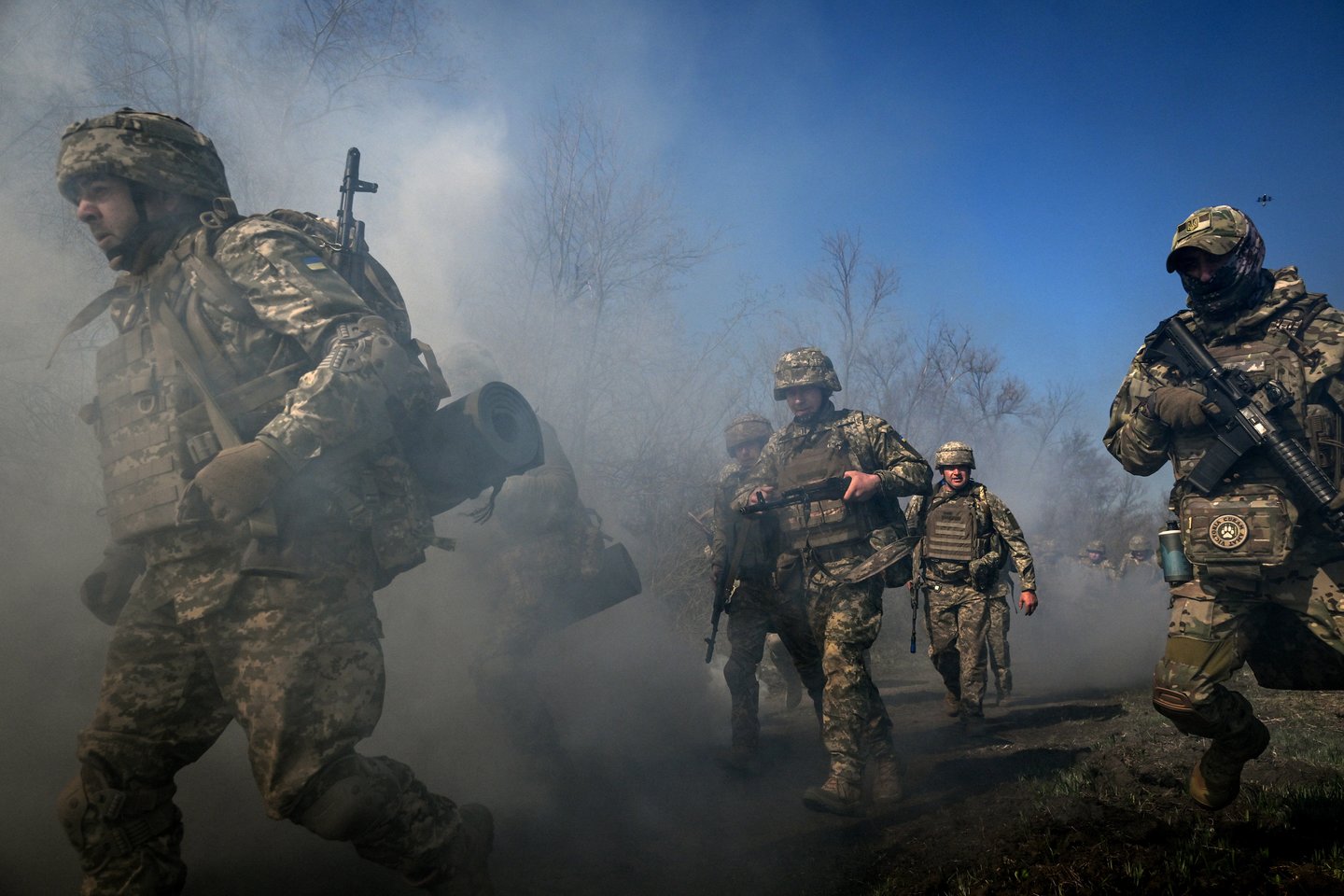
On the ground, the “inevitable victory” promised by the Kremlin has evaporated. AFP analysis reveals that in March, Russia failed to capture any new Ukrainian territory. This territorial stagnation is paired with a growing crisis in Russian defense capabilities. Reports indicate a “hole in the shield,” with critical defense systems simply running out, leaving Russian assets vulnerable to continued Ukrainian strikes.
The cost of this stalemate is measured in hundreds of casualties and “anti-records” for the Russian military, which Ukraine continues to exploit through targeted strikes. Yet, the conflict is no longer isolated to the two belligerents. The geopolitical chessboard has expanded:
- North Korea: Continuing to destabilize the region by firing missiles and ridiculing South Korean diplomatic efforts.
- Iran: While a two-week ceasefire was recently agreed upon between Trump and Iran following threats of massive attacks, the Iranian war remains a critical distraction that influences the flow of drones into Ukraine.
- Hungary: Prime Minister Viktor Orbán continues to act as a disruptive force within the EU, blocking loans to Ukraine and threatening further anti-Ukraine measures over disputes regarding Russian oil.
Macro-Economic Impact Analysis
The conflict has evolved into a complex web of sanctions and counter-sanctions that transcend the borders of Eastern Europe. The legal complexity of navigating these sanctions—particularly the targeting of the shadow fleet and military supply chains—has made compliance a nightmare for transnational shipping and finance firms.
| Impact Factor | Current Status (April 2026) | Global Economic Consequence |
|---|---|---|
| Oil Export Capacity | 40% Halted | Increased volatility in global Brent/WTI pricing. |
| Territorial Gain | Zero (March 2026) | Prolonged conflict duration; sustained defense spending. |
| Diplomatic State | “On Pause” | Lack of FDI in Eastern Europe due to uncertainty. |
| EU Funding | Blocked by Hungary | Instability in Ukrainian infrastructure reconstruction. |
The legal ramifications of these sanctions are immense. As the UK and Japan tighten their grip on Russian corporate entities, the risk of “secondary sanctions” grows. Companies operating in the periphery of these trade routes are now scrambling to hire international trade lawyers to ensure their contracts do not inadvertently violate the evolving sanctions regimes of the G7.
The war in Ukraine has ceased to be a regional conflict and has become a global stress test for economic endurance and diplomatic patience. With the Kremlin admitting that negotiations are stalled and their oil capacity crippled, the world is entering a phase of prolonged instability. The “one decision” that could change everything remains elusive, leaving the global market in a state of suspended animation.
As the chessboard shifts, the only certainty is that the old maps of trade and security are obsolete. Navigating this new era requires more than just news—it requires the right partners. Whether you are securing your supply chain or auditing your geopolitical risk, the World Today News Directory provides the direct link to the legal, financial, and consulting experts capable of navigating the fallout of this global crisis.