
Russia’s Deadliest Drone & Missile Strike on Kyiv: A Turning Point in Ukraine’s War
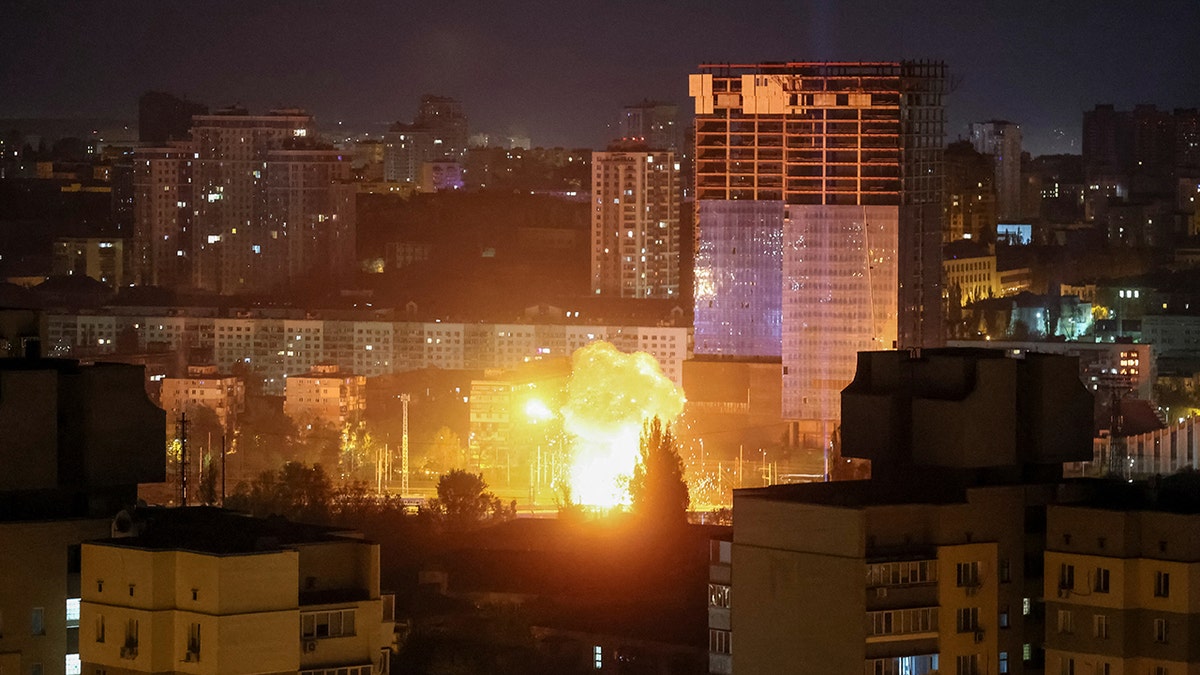
As of May 28, 2026, Russia escalated its military campaign against Ukraine with one of its most intense drone and missile strikes on Kyiv since the war’s onset, targeting civilian infrastructure and government buildings. Ukrainian President Volodymyr Zelenskyy condemned the attack as a deliberate attempt to destabilize the capital ahead of critical diplomatic talks. The barrage—comprising hundreds of drones and hypersonic missiles—exposed vulnerabilities in Kyiv’s air defenses and raised fears of further escalation. This strike follows a pattern of Russian retaliation against perceived Ukrainian advances, deepening the humanitarian and economic toll on a city already strained by four years of conflict.
Why This Strike Matters: A Geopolitical Warning Sign
The latest assault is more than a military operation—it is a calculated message. By targeting Kyiv, Russia is signaling its willingness to intensify pressure on Ukraine’s political and economic nerve center, particularly as Western support mechanisms face scrutiny. The use of hypersonic missiles, which travel at over 10 times the speed of sound, underscores Moscow’s determination to bypass Ukraine’s air defense systems, including the U.S.-supplied Patriot batteries and Ukrainian-developed drone interceptors. This shift could force Kyiv to accelerate its procurement of advanced countermeasures, straining its already depleted defense budgets.
The timing is critical. With the U.S. Pulling out of trilateral talks and the EU scrambling to find mediators, Russia’s strikes may be designed to create a sense of urgency—or even despair—among Ukraine’s allies. Kyiv’s response must now balance military resilience with diplomatic maneuvering, a challenge that will test the limits of its international partnerships.
Kyiv Under Fire: The Human and Infrastructure Cost
While official casualty figures remain limited, reports indicate at least one civilian death and dozens injured, with damage spanning residential areas, commercial districts and municipal buildings. The attack struck around 50 sites, including critical infrastructure like power grids and water treatment facilities. Kyiv’s mayor, Vitali Klitschko, has warned of prolonged disruptions to essential services, particularly in districts like Shevchenkivskyi and Holosiivskyi, where drone strikes have historically concentrated.
“This is not just an attack on Kyiv—it is an attack on Ukraine’s ability to function as a sovereign state. Every strike on our infrastructure is a strike on our people’s resilience. We will rebuild, but the cost is not just in bricks and mortar—it is in the lives of those who now face uncertainty.”
The economic ripple effects are immediate. Kyiv’s status as Ukraine’s commercial hub means disruptions to its logistics networks—such as the blocked roads and damaged warehouses—will escalate supply chain costs for businesses across the country. The Ukrainian government has already activated emergency protocols, but the strain on municipal services, including repairs and debris clearance, will require external support. For businesses operating in Kyiv, continuity planning is now a matter of survival.
The Hypersonic Threat: A New Era of Warfare
The deployment of hypersonic missiles marks a dangerous escalation. Unlike conventional missiles, which can be intercepted with sufficient lead time, hypersonic weapons travel at speeds exceeding Mach 5, leaving air defense systems with mere seconds to react. Ukraine’s reliance on Western-provided interceptors, such as the Patriot and NASAMS systems, may no longer suffice. This forces Kyiv to explore alternative solutions, such as layered defense strategies combining drones, lasers, and AI-driven prediction algorithms.

Russia’s use of hypersonic technology also signals a broader shift in the war’s dynamics. If Moscow successfully integrates these weapons into its arsenal, it could set a precedent for future conflicts, where speed and precision become decisive factors. For Ukraine, Which means investing in next-generation defense technologies—a task that will require both financial resources and international cooperation.
Diplomatic Fallout: Will the West Step Up?
The strike coincides with a period of heightened diplomatic activity. With the U.S. Withdrawing from trilateral talks and the EU searching for mediators, Russia’s actions may be intended to create a perception of Ukrainian vulnerability. Ukrainian officials have accused Moscow of using brute force to pressure Western nations into reconsidering their support. Meanwhile, Russia has issued warnings to foreign nationals in Kyiv, suggesting further attacks may be imminent.
For the EU, this moment tests its resolve. The bloc’s recent attempts to mediate have stalled, and the lack of a unified front risks emboldening Russia. Kyiv’s allies must now decide whether to escalate military aid, impose stricter sanctions, or pursue a new diplomatic track. The stakes are high: failure to respond could encourage further aggression, while overreaction risks provoking a wider conflict.
Kyiv’s Response: Rebuilding and Resilience
In the aftermath of the strike, Kyiv is focusing on three immediate priorities: restoring critical infrastructure, protecting civilians, and reinforcing air defenses. The city’s emergency services are working around the clock to clear debris and repair damaged utilities, but the scale of the attack has overwhelmed local capacities. International aid organizations are already mobilizing, with the United Nations Office for the Coordination of Humanitarian Affairs (OCHA) coordinating relief efforts.
“Kyiv has proven time and again that it can withstand these attacks. But resilience is not just about survival—it is about ensuring that every citizen has access to basic services, education, and safety. The world must recognize that this war is not just about territory; it is about the future of Ukrainian society.”
For businesses and residents alike, the long-term impact will depend on how quickly Kyiv can recover. Municipal authorities are urging citizens to report damage through dedicated hotlines, while private sector leaders are collaborating with local governments to maintain operational continuity. The challenge now is to balance immediate recovery with long-term preparedness for future strikes.
The Broader Implications: Economic and Strategic Fallout
The attack has sent shockwaves through Ukraine’s economy. Kyiv’s status as the financial heart of the country means disruptions to its infrastructure will have cascading effects. The Ukrainian hryvnia has already faced volatility, and further instability could deter foreign investment. Meanwhile, businesses operating in Kyiv are reassessing their risk exposure, with some relocating critical operations to safer regions.

Strategically, Russia’s focus on Kyiv suggests a deliberate attempt to undermine Ukraine’s ability to sustain the war effort. By targeting the capital, Moscow aims to create a climate of fear and uncertainty, potentially influencing domestic morale and international support. However, Kyiv’s response—both militarily and diplomatically—will determine whether this tactic succeeds.
Where to Turn for Solutions
The fallout from this attack demands a coordinated response across multiple sectors. For those affected, here are key resources and professionals who can provide critical support:
- Emergency Infrastructure Repair: With power grids, water systems, and roads damaged, securing vetted emergency construction firms is essential. These teams specialize in rapid repairs under active conflict conditions, ensuring minimal downtime for critical services.
- Legal and Insurance Support: Businesses facing property damage or operational disruptions will need commercial litigation attorneys to navigate insurance claims and liability issues. Specialized firms in Kyiv and Lviv are already assisting clients with war-related legal challenges.
- Humanitarian and Psychological Aid: The psychological toll on civilians cannot be overstated. Organizations like the Ukrainian Mental Health Association provide trauma counseling and support groups, while international NGOs are deploying mobile clinics to affected areas.
- Cybersecurity and Digital Resilience: As Russia escalates its use of hypersonic and drone technology, cyber threats to Ukraine’s digital infrastructure are rising. Companies offering advanced cybersecurity consulting are in high demand to protect critical systems from both physical and digital attacks.
The Road Ahead: A Warning to the World
Russia’s latest strike on Kyiv is not an isolated event—it is a harbinger of what may come if the international community fails to act decisively. The use of hypersonic weapons, the targeting of civilian infrastructure, and the deliberate timing of the attack all point to a strategy designed to break Ukraine’s will and force its allies into submission. Yet, Kyiv’s resilience thus far suggests that this tactic may backfire, hardening rather than weakening Ukraine’s resolve.
The question now is whether the world will rise to the challenge. For businesses, governments, and individuals, the time to prepare is now. The resources and professionals listed above are not just solutions—they are lifelines in an increasingly volatile world. As the war enters a new phase, the need for adaptable, resilient, and forward-thinking partnerships has never been greater.
The next move belongs to Kyiv’s allies. Will they stand firm, or will they allow Russia’s aggression to go unchecked? The answer will define the future of not just Ukraine, but the global order itself.