Russian Cargo Ship Sparta II Attacked by Drones in Gulf of Finland
Two drones struck a Russian cargo vessel three nautical miles from the Russian border in the Gulf of Finland on Friday, November 21, 2026, causing a fire and forcing the evacuation of its crew.
The cargo ship Sparta II was traveling from St. Petersburg to Kaliningrad on international water just north of the Estonian island of Stenskär when it was hit, according to SVT Nyheter and Sveriges Radio.
Following the attack, the damaged ship drifted across international waters into Finnish territorial waters, where authorities launched rescue and monitoring operations. The Finnish Border Guard said that it is closely monitoring the situation and preparing to handle potential environmental damage within Finland’s area of responsibility, as reported by Sveriges Radio and Hufvudstadsbladet.
The vessel appears on the Open Sanctions database under United States and Ukrainian sanctions for connections to weapons transports from Syria to Russian ports, according to SVT Nyheter and Dagens Nyheter. While SVT Nyheter and Dagens Nyheter report the vessel was headed directly to Kaliningrad, Sveriges Radio states the voyage began in St. Petersburg and was bound for Kaliningrad.
Finnish and Estonian Security Measures
Prime Minister Petteri Orpo wrote on X that the war is spreading to nearby areas, according to Dagens Nyheter. “The war is spreading to our neighboring areas. The Finnish authorities are handling the situation in the Gulf of Finland, where a drone attack has hit a Russian merchant ship. Ukraine has the right to defend itself against the aggressor,” Orpo wrote, as quoted by Dagens Nyheter.
Russian warship hit by Ukrainian drone in Gulf of Finland https://t.co/NiHCVGkYax
Finland’s Ministry of Defense confirmed the attack in a press release reported by Dagens Nyheter, noting that the ship sustained damage. The Finnish Defense Forces implemented restrictions on aviation and maritime traffic in the eastern Gulf of Finland at 09:30 local time on Friday, November 21, 2026, roughly two hours after lifting similar overnight restrictions, according to TV4 Nyheterna and Dagens Nyheter. The restrictions were lifted at 14:00 local time.
The Finnish military described the traffic limitations as a precautionary measure designed to safeguard civilian safety and ensure authorities retain proper conditions should they need to carry out drone-related operations, as detailed by SVT Nyheter and TV4 Nyheterna.
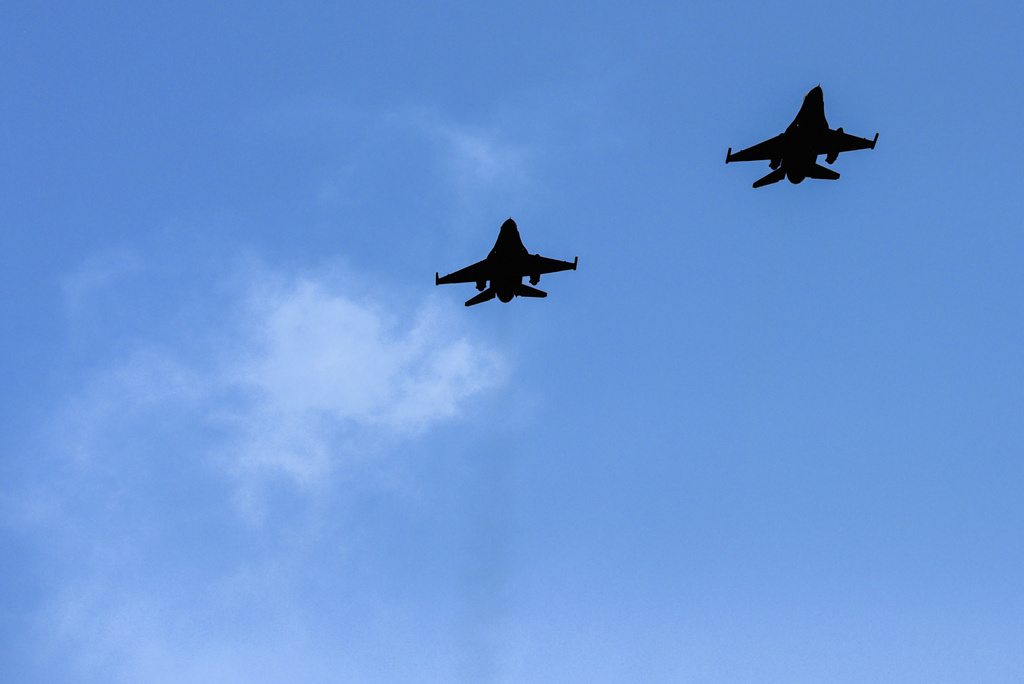
Across the water in Estonia, public service broadcaster ERR reported that parts of the local population received warnings about a potential drone threat during the night. In response, the Estonian military scrambled Turkish NATO combat aircraft, according to information provided to ERR and cited by TV4 Nyheterna and Dagens Nyheter.
Regional Context and Governor Statements
Leningrad Oblast Governor Aleksandr Drozdenko wrote on Telegram that approximately 80 hostile drones had been shot down over the region since the previous evening, according to Dagens Nyheter. TV4 Nyheterna reported that local authorities in the same Russian region put the figure at around 70 downed drones.
A Ukrainian drone struck a Russian navy vessel in international waters of the Gulf of Finland, expanding military operations to a new area https://t.co/anBCdWC5Kw
“The crew is currently being evacuated. The consequences are being investigated,” Drozdenko wrote on Telegram, as reported by Dagens Nyheter.
The Gulf of Finland is the easternmost arm of the Baltic Sea, extending between Finland and Estonia to Saint Petersburg, where the Neva River drains.
Its eastern parts belong to Russia and hold some of the country’s most important oil harbors, including Primorsk, making the gulf a seaway of considerable strategic importance to Russia. The gulf covers an area of 30,000 km2 with an average depth of only 38 metres, and parts can freeze from late November to late April.
The Finnish Border Guard confirmed that the vessel is currently located inside Finnish territorial waters, where rescue operations are ongoing, while the regional governors and military commands continue to assess the broader security implications of the nighttime air defense engagements near the border.