Russia Threatens Escalation After Massive Ukrainian Drone Attacks and Strikes on Kharkiv
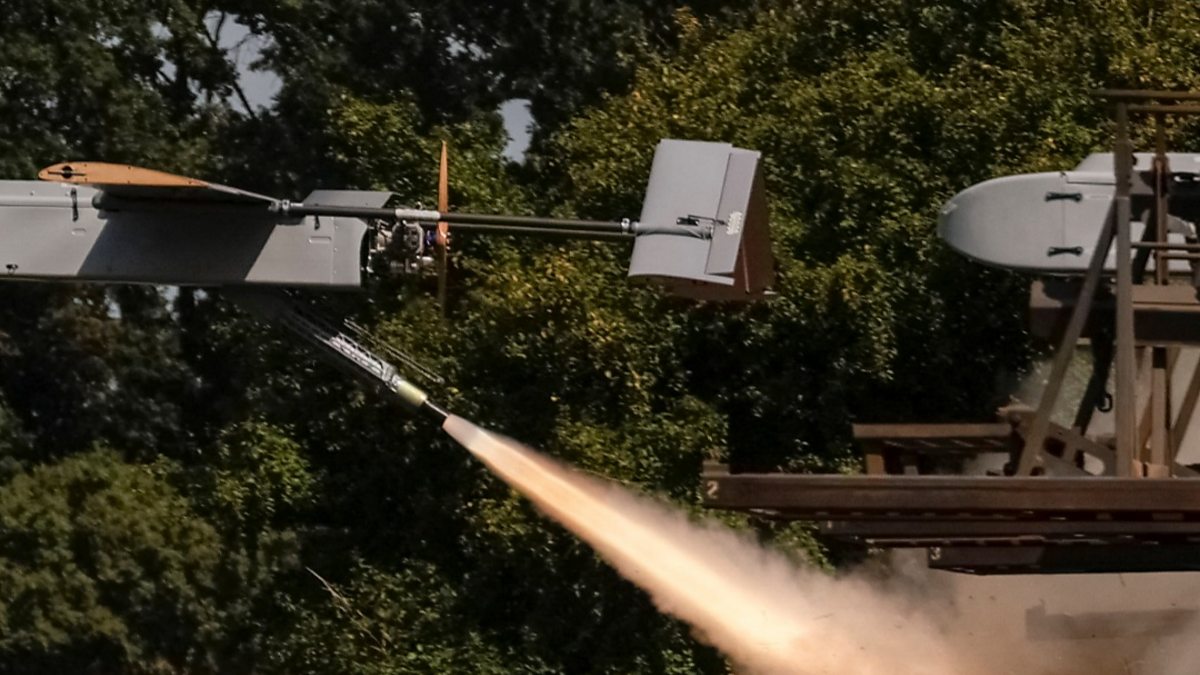
Ukrainian forces launched drones toward Moscow and surrounding Russian regions in one of the largest air raids of the four-year war, according to Russian and Ukrainian officials. The sweeping offensive targeted vital energy infrastructure, including a major oil refinery, prompting Moscow to threaten severe escalation and regular massive retaliatory strikes.
Scale of the Moscow Drone Attack and Regional Impact
The aerial assault unfolded across multiple waves, with Moscow Mayor Sergei Sobyanin stating that more than 400 Ukrainian drones were launched toward the Moscow region alone, as reported by Fox News. Separately, Russia’s Defense Ministry claimed its forces intercepted 381 drones across Russian regions, the Black Sea, and the Sea of Azov. Fox News noted these figures could not be independently verified.
The strikes struck deep within Russian territory, hitting targets more than 250 miles from the Ukrainian border. According to CNBC, a key oil facility on the southeastern outskirts of Moscow—specifically the Gazprom Neft Moscow oil refinery—was heavily targeted, sending thick columns of black smoke billowing into the sky and triggering a huge explosion. Regional authorities cited by Reuters reported that at least 16 people were injured in the capital area, while four Moscow airports temporarily grounded flights.
Additional impacts were recorded in Domodedovo, where a residential building sustained damage and an industrial park caught fire near a major airport. Wildberries, a major Russian retail and logistics company targeted over alleged military supply ties, temporarily evacuated a logistics center in the Podolsk district as a precautionary measure before resuming normal operations, according to East2West News coverage cited by Fox News.
Strategic Intent and Official Responses
Ukrainian President Volodymyr Zelenskyy confirmed the operation via social media, framing the long-range strikes as a direct response to Russian attacks on Ukrainian cities and communities. Zelenskyy stated that the offensive successfully targeted logistics facilities and oil depots that sustain the Russian war machine. Ukrainian officials have systematically targeted Russian energy infrastructure throughout 2026 to cut Moscow’s energy revenues and pressure the Kremlin.

In reaction to the barrage, Russian Foreign Minister Sergei Lavrov announced that Moscow will now conduct frequent and massive group strikes against targets directly affecting the combat readiness of the Ukrainian Armed Forces, according to Interfax reporting featured on CNBC. Lavrov characterized the Russian response as retaliation for what he termed Kyiv terrorist attacks.
Domestic Pressures and International Diplomatic Context
The growing frequency, size, and depth of Ukraine’s long-range strike campaign against heavily defended cities like Moscow and St. Petersburg have exposed mounting vulnerabilities in Russian air defenses, according to assessments from the Institute for the Study of War cited by CNBC. Russian military bloggers have raised concerns on social media regarding the effectiveness of domestic air defense systems and ongoing state censorship.

Chatham House associate fellow Ksenia Svetlova noted that while the disruptions to fuel infrastructure and commercial warehouses impose economic friction, they are unlikely to independently alter President Vladimir Putin’s approach to the ongoing conflict. Svetlova added that the Kremlin remains cautious regarding domestic mobilization pressures following previous waves of emigration, even as military recruitment efforts continue to target ordinary citizens.
Meanwhile, international diplomatic efforts to find a resolution to the conflict continue to develop. U.S. President Donald Trump recently pledged further assistance to Ukraine and urged the Kremlin to negotiate an end to the war, maintaining pressure on Moscow as Kyiv seeks broader security guarantees from Western partners.