Russia proposes tax increases to sustain military campaign in Ukraine
Russia is preparing to implement sweeping tax increases targeting corporate excess profits and high-income investments to sustain its military campaign in Ukraine. According to budget proposals submitted to the government by the Ministry of Finance, the new fiscal measures aim to secure vital state funding as the national economy faces mounting pressure from heavy defense expenditures, soaring interest rates, and Western economic sanctions.
Strategic Budget Priorities and Military Funding
Military and security demands form the strategic priority for the upcoming federal budget cycle. The Ministry of Finance confirmed that the submitted fiscal proposals are currently under government review and must be assessed and forwarded to parliament by the beginning of October.
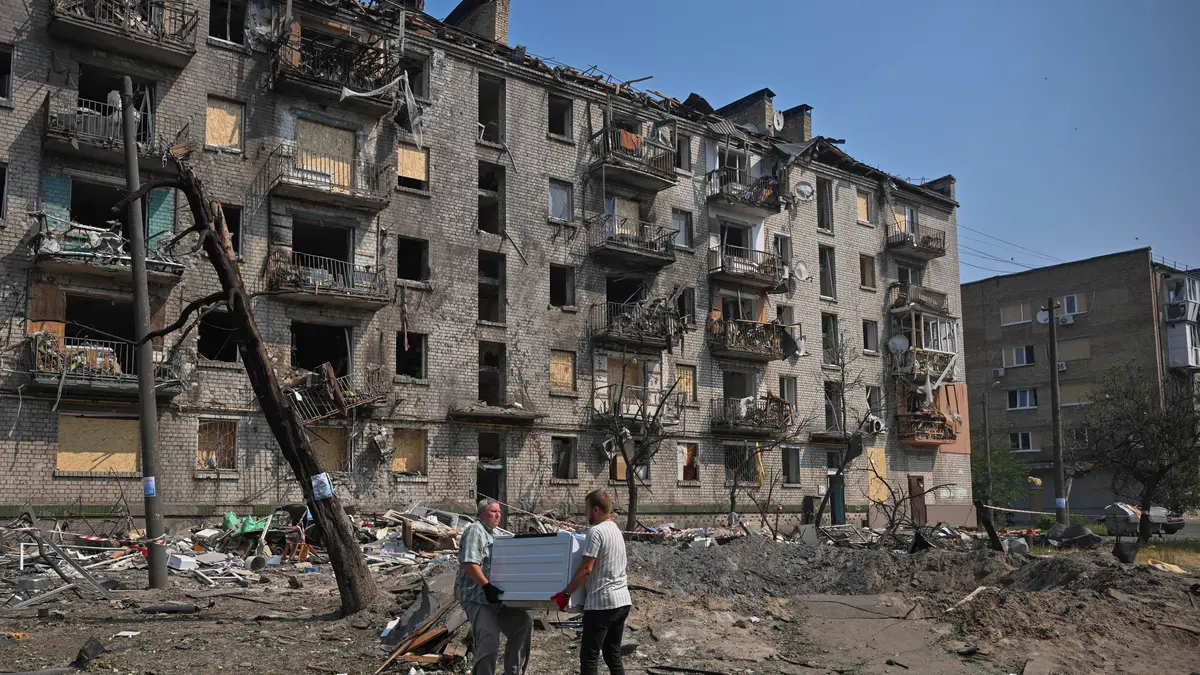
The prolonged military invasion of Ukraine continues to generate significant fiscal liabilities for Moscow. To maintain these escalating operational expenditures, the Russian government is increasingly reliant on aggressive domestic taxation and expanded public borrowing. While the national economy initially demonstrated resilience against sweeping Western sanctions due to massive state-driven military spending, recent economic indicators point toward a pronounced deceleration of overall business activity.
Targeted Tax Measures on Excess Profits and Investments
The proposed legislative adjustments introduce targeted tax increases across specific high-yield industrial sectors and affluent private portfolios. The Ministry of Finance outlines plans to raise taxes on excess profits generated within the metals and fertilizers industries. The fiscal revisions mandate higher personal income taxes levied on returns from securities investments, real estate transactions, and interest earned on domestic bank deposits.
State estimates indicate that the adjustments targeting personal investment and savings income will directly affect approximately four million individual taxpayers. These domestic revenue-raising mechanisms arrive as high interest rates suppress broader economic growth across the country. Simultaneously, Ukrainian attacks on fuel infrastructure have generated acute regional fuel shortages and subsequent price spikes within the domestic energy market.
Economic Pressures and Downstream Market Impacts
The intersection of wartime expenditure and restrictive monetary policy has created a complex environment for both enterprise operators and individual consumers.

As the government moves closer to finalizing the autumn budget session, fiscal authorities remain focused on extracting necessary capital from domestic economic pillars.