
Russia Prepares Massive Strike: Ukraine’s Air Forces Warn of Imminent Threat
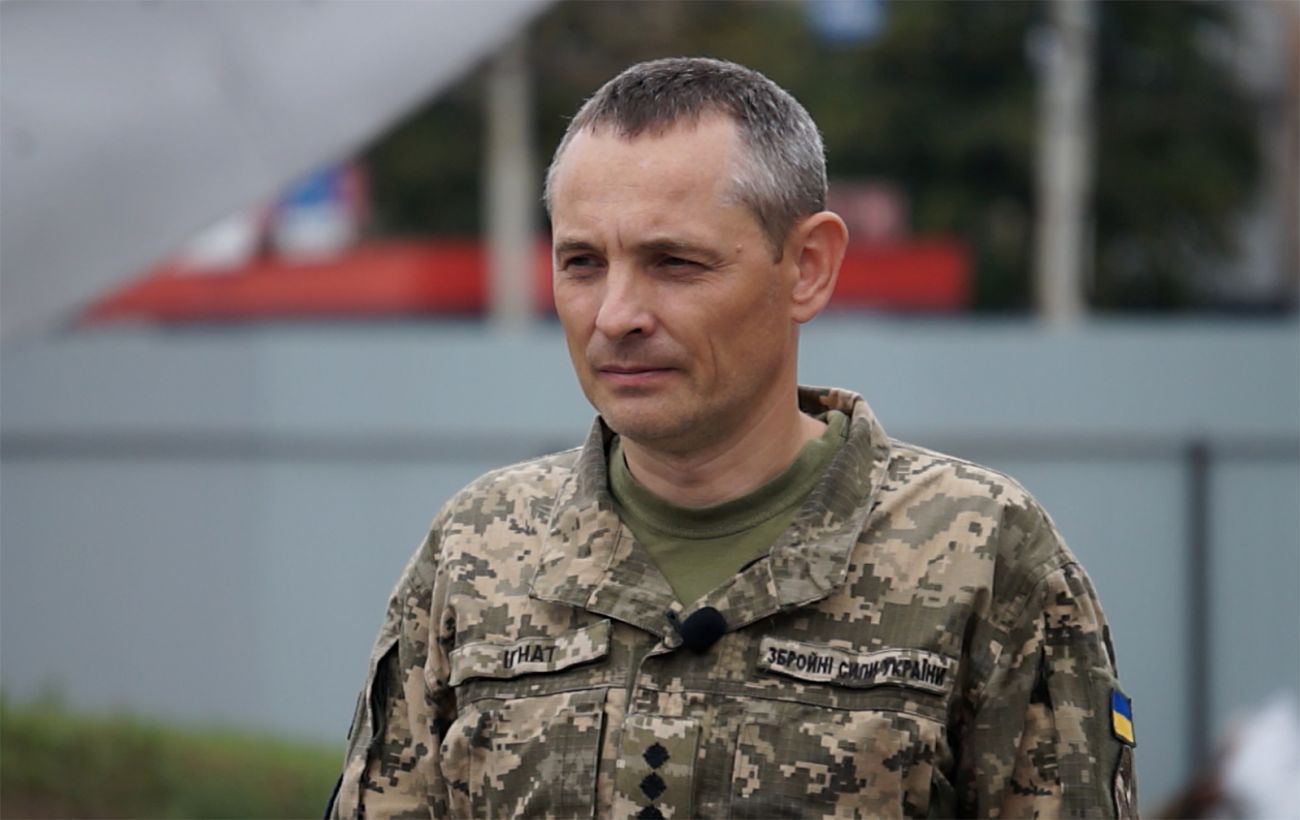
Yuriy Ihnat of the Ukrainian Air Force has warned of an imminent, massive Russian aerial attack. Intelligence from international partners indicates the activation of Russian strategic aviation, placing cities across Ukraine—including those in western regions—at heightened risk of large-scale missile and drone strikes in the coming days.
The atmosphere in Ukraine right now is one of heavy, calculated anticipation. When the Air Force issues a warning about “strategic aviation,” it isn’t a routine advisory. It is a signal that the scale of the threat has shifted from tactical harassment to a coordinated attempt to degrade national infrastructure.
For the millions living under these sirens, the problem isn’t just the physical impact of a missile. It is the systemic erosion of stability. Every “massive attack” warning triggers a cascade of economic and social disruptions: factories pause production, hospitals shift to emergency protocols, and the psychological toll on the civilian population deepens.
The Strategic Shift: Aviation and Intelligence
The current warning centers on the activation of Russia’s strategic aviation. Unlike short-range tactical strikes, strategic aviation involves long-range bombers capable of launching cruise missiles from deep within Russian territory. This capability allows the Kremlin to target the entire depth of Ukraine simultaneously, leaving no region truly isolated from the conflict.
This warning didn’t emerge in a vacuum. The Ukrainian Air Force explicitly noted that this assessment is based on data provided by international partners and intelligence services. This collaborative intelligence network is the only reason Ukraine can move from general anxiety to specific readiness.
The precision of these warnings is critical. Without them, the mobilization of air defense systems would be a guessing game. By identifying the movement of strategic bombers, the military can position interceptors and alert the population, potentially saving thousands of lives.
But readiness only goes so far. When a strike is “massive,” the volume of incoming ordnance can occasionally saturate even the most sophisticated defense umbrellas.
Expanding the Target Map to Western Ukraine
One of the most alarming aspects of the recent warnings is the explicit mention of threats to western regions of Ukraine. For much of the conflict, the west served as a relative sanctuary—a hub for displaced persons, humanitarian logistics, and diplomatic missions.
The shift toward targeting the west indicates a strategy of total territorial pressure. By bringing the war to the westernmost oblasts, the Russian military seeks to disrupt the supply lines that feed the front lines and to signal that no city is beyond their reach.
This expansion creates a logistical nightmare for local municipalities. Western cities, while having improved their defenses, often lack the density of hardened shelters found in the east. The sudden necessity for rapid fortification means local governments are scrambling to secure certified structural engineering firms to evaluate and reinforce existing basements and public buildings.
The activation of strategic aviation is a clear indicator of intent. We are not looking at sporadic strikes, but a coordinated effort to overwhelm defenses and strike deep into the heart of our infrastructure.
The Infrastructure Crisis and the Path to Recovery
The goal of a massive strike is rarely just the target itself; it is the systemic failure that follows. When power grids, water pumping stations, or heating plants are hit, the resulting vacuum of services creates a secondary crisis of public health and safety.

This represents where the long-term economic damage settles in. The destruction of industrial assets and residential blocks requires more than just immediate aid—it requires a complex legal and technical recovery process. Business owners and homeowners are increasingly finding themselves in a legal labyrinth, requiring specialized legal consultants to navigate war-damage insurance claims and government compensation frameworks.
The resilience of the Ukrainian state depends on the speed of this recovery. The faster a city can move from “hit” to “rebuilt,” the less effective the strategy of attrition becomes.
To track the broader humanitarian impact and international response, the United Nations Ukraine Updates and the Ministry of Defense of Ukraine provide the most authoritative data on civilian protection and defense requirements.
The Human Cost of the “Coming Days”
There is a specific kind of exhaustion that comes with the phrase “in the coming days.” It is a period of suspended animation. Parents wonder if they should move their children to deeper shelters; business owners decide whether to risk opening their doors; and the military waits for the first radar blip.

This cycle of tension is a weapon in itself. By announcing preparations for a massive strike, the aggressor achieves a psychological victory before a single missile is launched. It forces the target population into a state of permanent hyper-vigilance.
However, the existence of these warnings also proves the strength of the alliance. The “data from partners” mentioned by Yuriy Ihnat is a tangible manifestation of global intelligence sharing. It is the difference between a surprise catastrophe and a managed emergency.
For those managing the aftermath of such strikes, the priority shifts to immediate stabilization. Securing vetted rapid-response recovery teams becomes the only way to prevent a localized strike from becoming a regional collapse.
As Ukraine braces for this potential escalation, the world is reminded that modern warfare is not just about the clash of armies on a battlefield. It is about the endurance of cities, the integrity of power grids, and the unwavering resolve of a population that has learned to live in the gap between a warning and an explosion. The coming days will test not only the Air Force’s interceptors but the very fabric of Ukrainian civic resilience.
For those seeking verified professionals to assist with infrastructure recovery, legal claims, or emergency logistics in affected regions, the World Today News Directory remains the primary resource for connecting with vetted global experts equipped to handle the complexities of conflict-zone recovery.