
Russia NATO Attack Fears Rise as Trump Considers US Troop Withdrawal from Europe
Germany is engaged in confidential talks to help fund the United Kingdom’s Trident nuclear deterrent as part of a broader European strategy to counter potential Russian aggression, according to military planners in Berlin. The diplomatic shift comes as the second administration of US President Donald Trump weighs withdrawing American troops from Europe, raising urgent questions over the continent’s long-term security architecture.
The Evolution of European Nuclear Defense Cooperation
Military planners in Berlin are exploring frameworks that would see Germany integrate directly into existing British and French nuclear deterrent programs rather than developing an independent domestic nuclear arsenal. “We have a very strong interest that the existing nuclear powers in Europe extend their capabilities,” an anonymous source told The Telegraph.
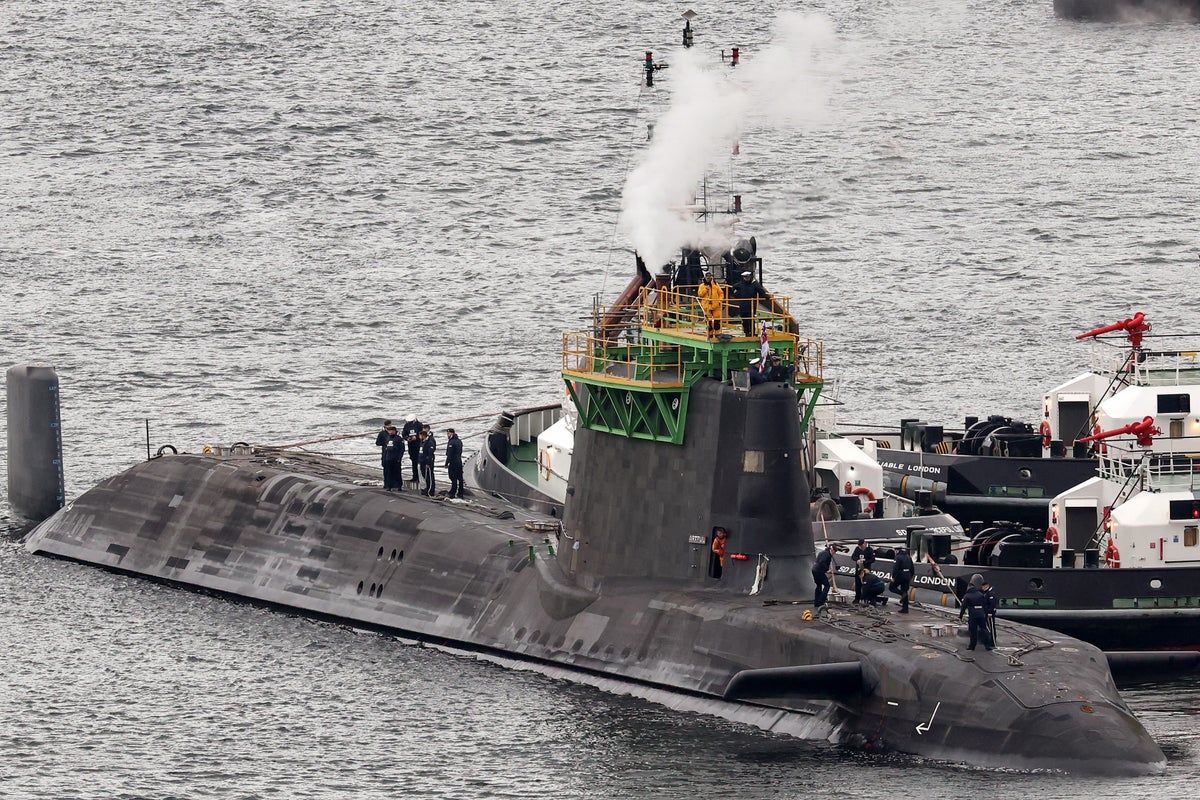
The discussions also encompass potential conventional military support for British strategic assets. According to military reports, German-operated Patriot ground-based air defense batteries could be deployed to key installations such as Faslane, Scotland, which serves as the primary submarine base and home to the UK’s Trident fleet. While officials in Berlin have floated the idea of assisting Britain in developing the next generation of submarines, British defense sources have questioned the feasibility of such industrial collaboration, signaling that ground-based protection of naval infrastructure remains a more practical objective.
Geopolitical Pressures and Washington’s Shifting Posture
The urgency behind these European defense talks stems directly from escalating transatlantic tensions. President Trump has repeatedly criticized European nations for maintaining a heavy security reliance on the United States, prompting mounting anxiety among European capitals. “Policymakers are waking up each morning and asking themselves what the hell the Americans are going to do tomorrow,” a German diplomatic source told reporters.
This political friction coincides with intense diplomatic maneuvers. CIA Director John Ratcliffe recently flew to Moscow aboard a US military plane to meet with Russian officials, according to reporting by the Wall Street Journal and Politico. Sources indicate the talks aimed at deterring a potential Russian attack on a NATO ally, following US intelligence assessments indicating that Moscow is actively testing the alliance’s resolve. The last visit by a CIA director to Russia occurred in 2021, ahead of the Russian invasion of Ukraine.
Navigating Historical Precedents and Domestic Opposition
For Germany, moving toward nuclear-adjacent funding and integration represents a sensitive political hurdle. The nation maintains a longstanding opposition to atomic weaponry, rooted in historical remorse from World War Two and sustained by a powerful domestic anti-nuclear movement. Germany remains a committed member of the Nuclear Non-Proliferation Treaty, which came into effect during the Cold War in the 1970s, and has historically avoided direct participation in nuclear strike planning.
Furthermore, shifting these defense postures requires complex legal and logistical coordination.
Official responses from allied governments underline the delicate balance of current deterrence frameworks. A spokesperson for the UK Ministry of Defense emphasized the steadfast nature of existing commitments, stating: “Our nuclear deterrent is the cornerstone of our national security, protecting the UK and our Nato allies every moment of every day. We remain the only European Ally to commit its nuclear deterrent to the defence of Nato. This means that all Nato Allies already benefit from the protection of our nuclear deterrent.” Meanwhile, the German Foreign Office has been contacted for formal comment as discussions with both London and Paris continue.