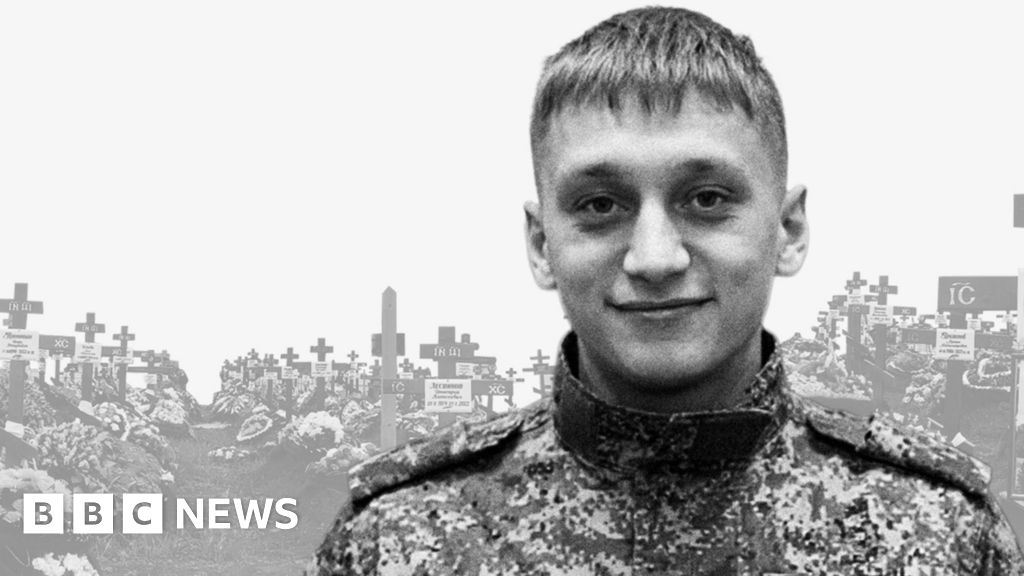
Russia Intensifies Recruitment of Students and Drone Operators for Ukraine War
Russia is recruiting university students and residents of occupied Ukrainian territories to operate unmanned aerial vehicles (UAVs) to offset military losses in Ukraine, according to reports from the BBC and Reuters. The Kremlin is utilizing specialized job boards and the “Makh” messenger app to target tech-savvy youth for drone warfare roles.
The shift toward student recruitment signals a critical manpower gap in the Russian armed forces. By targeting the academic demographic, Moscow seeks a workforce capable of handling the technical demands of electronic warfare and precision strikes. This strategy moves beyond traditional conscription, attempting to frame military service as a technical career path.
How is Russia recruiting students and civilians for drone units?
The recruitment effort is multifaceted, blending official state channels with covert digital outreach. Reuters reports that Russian job websites have posted explicit advertisements for drone operators, specifically tasked with the defense of Moscow. These ads target individuals with technical skills, offering a professional veneer to military mobilization.
In occupied Ukrainian territories, the approach is more aggressive. The National Resistance Center and Censor.NET report that Russian forces are using a specific messenger app called “Makh” (or MAX) to mass-recruit residents. These digital campaigns promise roles within UAV units, effectively attempting to turn occupied populations against their own sovereign state by integrating them into the Russian military apparatus.
This digital-first recruitment strategy creates a legal and humanitarian vacuum for those caught in the crossfire. Families in these regions often require urgent assistance from international refugee agencies or specialized [Human Rights Legal Services] to navigate the complexities of forced mobilization and wartime displacement.
Why the focus on UAV operators and “technical” recruits?
The demand for drone operators has spiked as the conflict evolves into a war of attrition defined by aerial surveillance and first-person view (FPV) drones. Forbes notes that Russia’s Drone Force requires a “different kind of recruit”—one who possesses digital literacy and a grasp of remote piloting, skills more commonly found in university students than in traditional infantry recruits.
The reliance on students is a direct response to mounting casualties. By recruiting from universities, the state can bypass some of the public outcry associated with general mobilization while securing the specialized talent needed to maintain a technological edge in the skies over Donbas and Kursk.
The transition from student to soldier happens rapidly, often leaving academic careers in ruins. Students seeking to protect their educational status or contest illegal enlistment are increasingly turning to [Academic Advocacy Groups] and [International Education Consultants] to secure transfers or asylum based on conscientious objection.
Comparing recruitment methods across different regions
The Russian strategy differs significantly depending on the target’s location and citizenship. The following table outlines the contrast in approach based on available reports:
| Target Group | Primary Recruitment Channel | Stated Objective | Reported Method |
|---|---|---|---|
| Russian Students | University networks / Job boards | Technical specialization | Professional “career” framing |
| Moscow Residents | Public job websites | Capital city defense | Direct employment ads |
| Occupied Ukrainians | “Makh” Messenger app | UAV unit integration | Mass digital outreach/coercion |
What are the long-term implications for Russia’s workforce?
Draining the university system of its technical talent creates a long-term economic risk. By diverting computer science and engineering students into the “Drone Force,” Russia is sacrificing its future civilian innovation for immediate tactical gains. This “brain drain” into the military may exacerbate existing shortages in the Russian tech sector, which has already struggled since the exodus of Western firms.
Furthermore, the recruitment of individuals from occupied territories introduces significant stability risks. Integrating coerced or incentivized foreign nationals into sensitive UAV units creates potential for intelligence leaks and internal instability within the Russian military hierarchy.
As the legal status of these recruits remains precarious, especially for those in occupied zones, there is a growing need for [International Criminal Law Experts] to document these recruitments as potential war crimes under the Geneva Conventions, which prohibit the forced conscription of populations in occupied territories.
The mobilization of the youth is not merely a tactical adjustment; it is a confession of exhaustion. When a state begins harvesting its classrooms to fill its trenches, it acknowledges that the traditional reserves are spent. For the students and civilians caught in this machinery, the path back to a civilian life becomes increasingly narrow, leaving them dependent on the intervention of global [Legal Aid Organizations] to reclaim their futures.