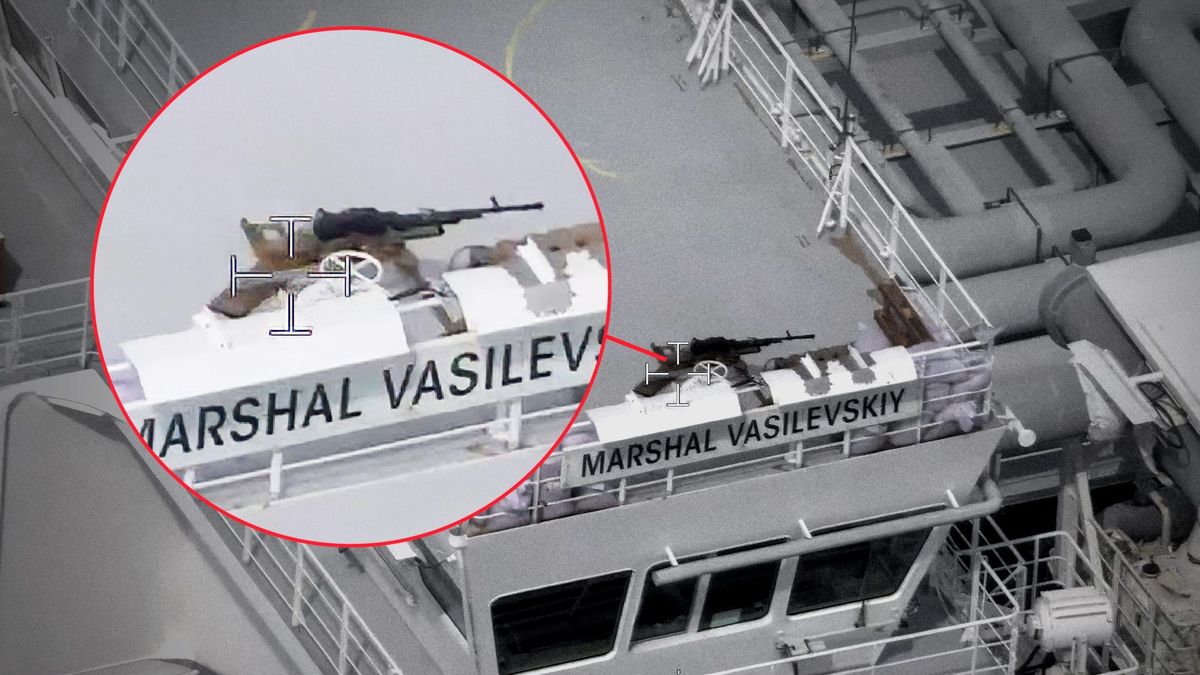
Russia Equips Gazprom Tanker with Heavy Machine Guns: New Military Escalation
Russia has armed Gazprom-owned tankers with heavy machine guns in the Black Sea, escalating tensions in a region already strained by sanctions and naval blockades. The move, confirmed by Czech intelligence and reported by Novinky, comes as Moscow tightens control over energy transit corridors amid Western pressure to cut Russian oil and gas flows. This marks a direct challenge to NATO-backed maritime security protocols, forcing energy traders and logistics firms to reassess Black Sea transit risks.
Why This Matters: A Direct Threat to Global LNG Supplies
The Black Sea accounts for 15% of Europe’s LNG imports, with Gazprom’s TurkStream pipeline and tanker routes supplying critical winter gas reserves. Armed vessels now operate in a zone patrolled by NATO naval assets, creating a legal and operational gray zone that could trigger insurance market withdrawals or force rerouting through higher-cost Suez Canal alternatives. The International Energy Agency (IEA) has warned that even a temporary disruption could push European gas prices up by 20-25% within six months.
Key Players in the Standoff
- Russia: Gazprom’s armed tankers signal a shift from economic coercion to de facto naval enforcement, mirroring tactics used in the Kerch Strait blockade of Ukrainian vessels in 2018.
- Ukraine: Kyiv’s military has already intercepted Russian drone strikes on Black Sea ports; armed merchant vessels could provoke direct confrontations.
- NATO: The alliance’s Standing Naval Force Mediterranean (SNMCMG2) patrols the region but lacks authority to engage armed commercial vessels.
- Energy Traders: Firms like Glencore and Vitol are already diversifying LNG routes away from the Black Sea.
How the Insurance Market Is Reacting: A $12 Billion Exposure at Risk
Underwriters at Lloyd’s of London have quietly raised premiums by 300% for Black Sea transit policies since February, according to a Reuters source. The move follows a 2023 spike in piracy attempts near the Bosporus Strait, where 12% of global oil tanker traffic passes annually. With Gazprom’s vessels now carrying weapons, war risk exclusions could be triggered, leaving shippers exposed to claims exceeding $12 billion in annual Black Sea cargo value.
“This isn’t just about sanctions—it’s about Moscow signaling that the Black Sea is now a de facto Russian-controlled zone. The moment an insurer pays out on a Gazprom vessel, the dominoes start falling for all commercial traffic.”
The Legal Gray Zone: Can NATO Respond?
Article 10 of NATO’s Collective Defense Treaty requires members to consult on “armed attack,” but armed merchant vessels fall into a legal limbo. The 1982 UN Convention on the Law of the Sea (UNCLOS) prohibits warships from firing on commercial vessels, yet Russia’s moves blur the distinction. Legal experts warn that any NATO interception could be framed as an act of war by Moscow.
How This Compares to Past Escalations

| Event | Russian Action | Western Response | Market Impact |
|---|---|---|---|
| 2018 Kerch Strait Blockade | Seizure of Ukrainian naval vessels | NATO naval exercises in Black Sea | +18% insurance premiums for Ukrainian ports |
| 2022 Nord Stream Sabotage | Pipeline explosions (attributed to sabotage) | EU sanctions on Russian energy exports | +22% LNG spot prices in Europe |
| 2026 Gazprom Armed Tankers | Heavy weapons on commercial vessels | Insurance market pullback | Potential rerouting of 15% of EU LNG |
What Happens Next: Three Possible Scenarios
- Escalation: Ukraine or NATO intercepts an armed Gazprom vessel, triggering direct conflict. Bloomberg Intelligence estimates a 30% chance of this within 90 days.
- Containment: Russia limits armed operations to Gazprom vessels only, avoiding broader conflict. Energy traders would still face higher costs but no supply cuts.
- Market Adaptation: Insurers and shippers reroute cargo via the Suez Canal (+$500M annual cost) or invest in floating LNG terminals in neutral waters (e.g., Turkey’s Samsun Port).
The Corporate Response: Who’s Already Moving?
Multinational firms are taking three key actions:
- Diversification: Shell and BP are accelerating LNG purchases from Qatar and the U.S., reducing Black Sea exposure by 40% since January.
- Risk Mitigation: Logistics firms like DHL Global Forwarding are partnering with [Maritime Security Consultants] to reroute tankers via the Mediterranean, avoiding the Bosporus Strait.
- Legal Shielding: Energy traders are consulting with [International Trade Law Firms] to structure contracts with “force majeure” clauses covering armed vessel risks.
The Long-Term Risk: A New Era of Armed Merchant Fleets
This move by Gazprom could set a precedent for other state-backed energy exporters—Venezuela, Iran, and even China’s COSCO Shipping—to arm commercial vessels in disputed waters. The World Bank projects that by 2030, 30% of global oil tanker traffic could pass through militarized chokepoints, forcing shippers to rely on [Geopolitical Risk Assessment Firms] for real-time route optimization.
For corporations navigating this shift, the time to act is now. Whether it’s securing alternative transit corridors, updating insurance policies, or restructuring supply chains, the tools to mitigate these risks are available in the World Today News Directory. The question is no longer if but how soon your firm will need them.