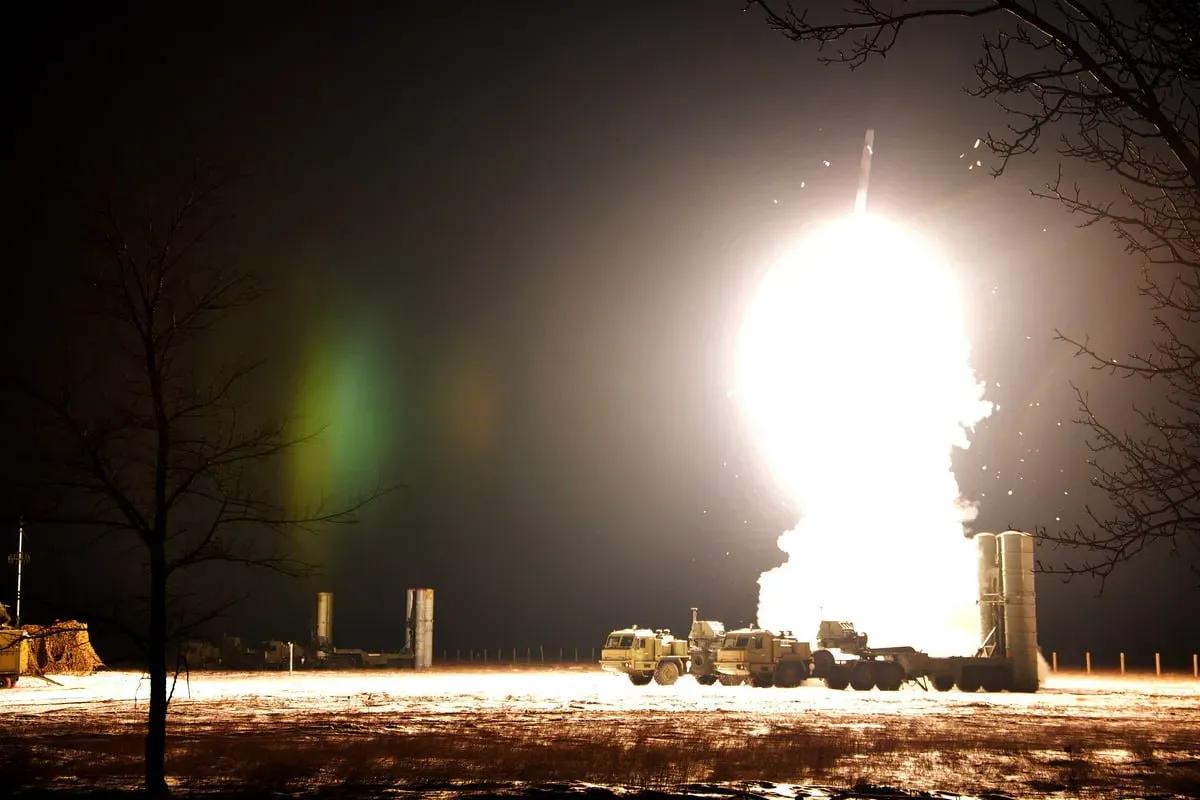
Russia Destroys 234 Ukrainian UAVs in Massive 13-Hour Air Defense Operation
Russian air defense forces intercepted and destroyed 234 Ukrainian drones over multiple regions in a 13-hour period on June 18, 2026, according to the Russian Defense Ministry. The operation, spanning from 7:00 to 20:00 Moscow time, marks a significant escalation in long-range drone warfare between the two nations, with both sides targeting infrastructure and strategic locations far from the front lines.
What does the timeline of the drone strike reveal?
The 13-hour window of the attack aligns with a broader pattern of intensified aerial combat. According to the Russian Defense Ministry, the majority of the drones were neutralized in the Kursk, Belgorod, and Rostov regions, where infrastructure such as power grids and communication hubs have been frequent targets. A separate report from the Ukrainian General Staff, cited by Reuters, noted that the strikes occurred amid a surge in cross-border operations, with Ukrainian forces deploying advanced loitering munitions designed to evade traditional air defenses.
The timeline also underscores the evolving tactics of both sides. Russian officials claim their S-400 and Pantsir-S1 systems successfully engaged the drones at high altitudes, while Ukrainian analysts suggest the attacks were coordinated to test the resilience of Russian air defenses. This dynamic has shifted the battlefield into a “cyber-physical” domain, where electronic warfare and real-time data analytics play critical roles.
How does this event fit into the broader conflict?
This incident reflects a strategic shift in the war, with both Russia and Ukraine prioritizing infrastructure disruption to weaken economic and military capabilities. The Ukrainian government has previously accused Russia of targeting energy facilities in eastern and southern regions, while Moscow has blamed Kyiv for launching attacks on its industrial centers. The New York Times reported in May 2026 that drone strikes have increased by 40% compared to the same period in 2025, with both sides investing heavily in aerial surveillance and counter-drone technology.

The scale of this operation also highlights the logistical challenges of modern warfare. According to a The Economist analysis, Ukraine’s drone fleet has grown to over 1,000 units since 2023, with deliveries from Western allies including the U.S. and Poland. Russia, meanwhile, has expanded its air defense network, integrating artificial intelligence to predict and intercept drone trajectories.
What are the regional implications?
The attacks have immediate consequences for local infrastructure. In the Rostov region, power outages affected over 200,000 residents, according to The Moscow Times. Municipal authorities in Belgorod reported damage to two military airfields, though no casualties were confirmed. These incidents have prompted calls for increased investment in protective measures, with regional officials in Kursk announcing plans to upgrade radar systems by 2027.
Local economies are also feeling the strain. The Rostov Regional Chamber of Commerce noted a 15% decline in industrial output in June, citing disruptions to supply chains.
“This isn’t just a military issue—it’s a socioeconomic crisis,”
said Elena Petrova, a regional economist at Rostov State University.
“Communities reliant on cross-border trade are now facing prolonged instability.”
What legal and diplomatic challenges arise?
The use of drones in this manner raises complex legal questions. Under the United Nations Charter, states are prohibited from using force against the territorial integrity of other nations. However, both Russia and Ukraine have framed their actions as self-defense, citing threats to national security. This ambiguity has led to increased diplomatic tensions, with the European Union and NATO issuing statements urging de-escalation.

Legal experts warn that the lack of clear international regulations on drone warfare could lead to further conflict.
“The current framework is inadequate for addressing the rapid evolution of aerial technology,”
said Marcus Lin, a professor of international law at the University of Geneva.
“Without binding agreements, we risk a new arms race with unpredictable consequences.”
How can affected regions mitigate the damage?
Communities in the Kursk, Belgorod, and Rostov regions are turning to local and international resources to address the fallout. Emergency restoration contractors have been deployed to repair power grids, while international law firms are advising regional governments on compliance with humanitarian law. The World Bank has also announced a $500 million aid package for infrastructure recovery, with funds directed toward rebuilding energy and transportation networks.
For businesses, the situation underscores the need for resilience planning. Risk management consultants are advising companies in