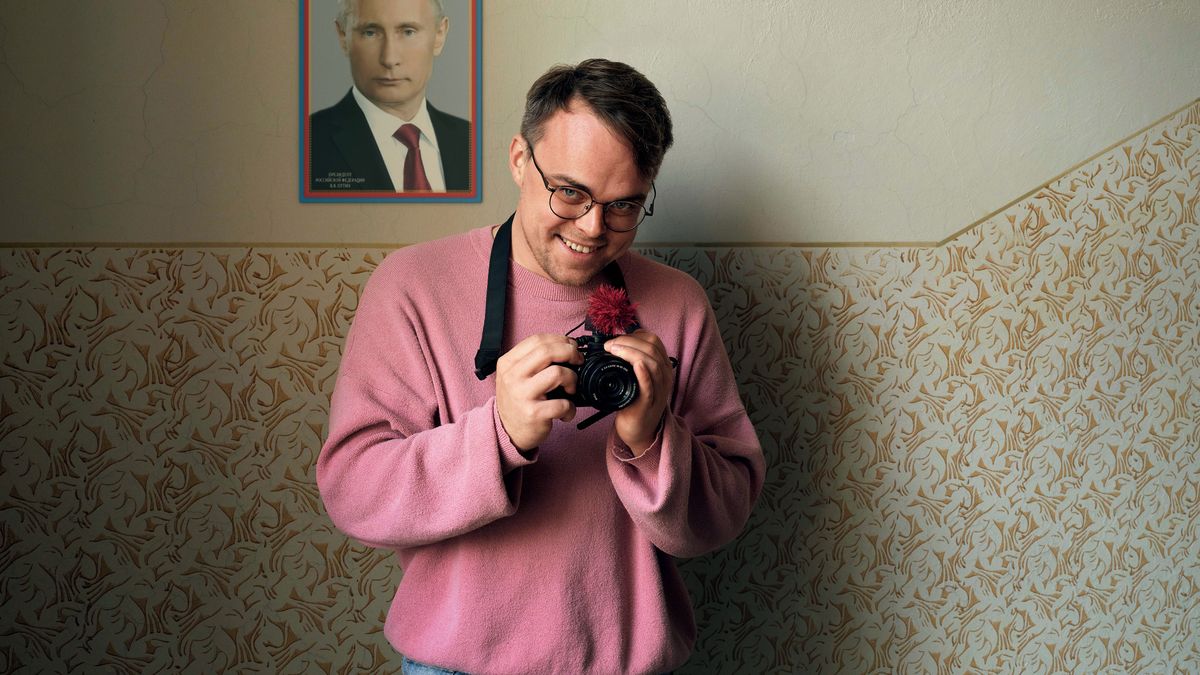
Russia Bans Oscar-Winning Documentary Mr. Nobody Against Putin
A Chelyabinsk court has officially banned the distribution of the Oscar-winning documentary Mr. Nobody against Putin across Russia, citing extremism propaganda and minor protection violations. The Czech-Danish production faces an immediate blackout following its Academy Award victory, triggering complex intellectual property disputes and requiring urgent crisis communication strategies for the producers against state-level censorship.
The ruling lands like a hammer strike during the post-Oscar hangover, a period typically reserved for celebrating artistic triumph rather than fighting geopolitical legal battles. On March 26, 2026, the industry watches how a Best Documentary Feature winner navigates a jurisdiction that has effectively criminalized its existence. This isn’t merely a censorship issue; it is a logistical nightmare for global distributors managing rights territories. When a film becomes contraband in a major market, the valuation of those rights collapses, and the liability exposure for streaming platforms skyrockets. The producers, Alžběta Karásková and Radovan Síbrt, now face the unenviable task of protecting their intellectual property while ensuring the safety of their subjects, a balance that requires more than just standard legal counsel.
The Legal Mechanics of the Ban
The judgment, delivered by Judge Ksenija Bucharinovová, relied on a petition filed by Prosecutor Jevgenij Tumšin. The state’s argument hinged on two primary pillars: the alleged promotion of extremism and the unauthorized display of minors. According to the filed court docket, the prosecution claimed the film expresses a “negative attitude to the special military operation,” the official Kremlin terminology for the invasion of Ukraine. The presence of the white-blue-white flag, recognized by Russian authorities as a symbol of the opposition legion Freedom for Russia, was flagged as evidence of ideological subversion.
Protection of minors served as the secondary legal lever. The prosecution argued that showing faces of students without parental consent violated local privacy statutes. This creates a precarious precedent for documentary filmmakers operating in hostile environments. If ethical clearance forms signed under duress or without full context can be retroactively invalidated by state prosecutors, the entire genre of investigative non-fiction becomes legally untenable in regulated markets. The producers have countered these claims, asserting the film was created under the supervision of international experts and adheres to the highest standards of documentary ethics. They argue the state’s move is a distraction tactic, attempting to shift focus from the actual content regarding militarization in schools.
“When a government moves to ban a film on moral grounds while ignoring the artistic merit recognized by the Academy, it signals a breakdown in the rule of law regarding cultural imports. Studios need specialized entertainment law firms who understand both international IP treaties and local penal codes to navigate this.”
Industry veterans note that this specific type of legal aggression requires a tailored response. Standard cease-and-desist letters hold no weight against state prosecutors acting under national security pretenses. The situation demands a coalition of human rights advocates and legal strategists who can operate across borders. As noted by senior partners in international media law, the immediate priority is securing the digital assets. Once a court order is issued, streaming platforms operating within the region must comply or risk having their entire services blocked. This forces distributors to geofence content aggressively, fragmenting the audience and diluting the brand equity of the film.
Streaming Economics and Rights Fragmentation
The financial implications of a ban in a major territory are severe. While Russia represents a smaller portion of global SVOD (Subscription Video on Demand) revenue compared to North America or Europe, the precedent set here matters more than the immediate loss of ticket sales. Data from similar geopolitical conflicts suggests that when a film is banned in one region, viewership in neutral markets often spikes by 15 to 20 percent due to the “forbidden fruit” effect. Though, this surge rarely compensates for the long-term exclusion from state-controlled distribution networks.
For the producers, the challenge is maintaining momentum. The Oscar win typically guarantees a 300 percent increase in streaming inquiries during the subsequent quarter. Yet, if major platforms hesitate to license the content due to fear of secondary sanctions or legal entanglements, that momentum stalls. This represents where the role of crisis communication firms and reputation managers becomes critical. They must frame the ban not as a legal defeat, but as evidence of the film’s importance, leveraging the censorship to amplify the message in free markets. The narrative must shift from “banned in Russia” to “validated by the Academy, silenced by the State.”
the timing coincides with significant leadership shifts in major studios. With Dana Walden recently unveiling her new Disney Entertainment leadership team spanning film, TV, and streaming, the industry is watching how major conglomerates handle controversial IP. Recent reports indicate a streamlined approach to content approval, which might make large studios more risk-averse regarding politically charged documentaries. Independent producers cannot rely on major studio legal departments to fight these battles; they must build their own defense infrastructure.
Protecting the Talent and the Truth
Beyond the money and the metrics, there is the human element. Director Pavel Talankin, who also appears in the film, faces potential personal risk. The court proceedings noted that only the prosecuting side was represented, highlighting the lack of due process. For talent involved in such projects, safety is paramount. Production companies often engage regional event security and A/V production vendors to protect physical screenings, but digital security is equally vital. Ensuring that the raw footage and the identities of contributors remain secure against state-sponsored hacking attempts is a technical challenge requiring specialized cybersecurity firms within the media sector.

The Russian Human Rights Council has already petitioned the Academy and UNESCO to review the film’s compliance with ethical norms, a move widely seen as political pressure rather than genuine concern. Producers Karásková and Síbrt have dismissed these claims as false, reflecting the pervasive propaganda within the country. This back-and-forth underscores the need for verified documentation. In an era of deepfakes and information warfare, maintaining a chain of custody for documentary evidence is essential for legal defense.
- IP Protection: Immediate registration of copyright in neutral jurisdictions to prevent seizure.
- Distribution Strategy: Pivot to festival circuits in non-extradition countries to maintain visibility.
- Talent Safety: Implement digital hygiene protocols for all contributors featured in the footage.
The ban on Mr. Nobody against Putin is a stark reminder that art does not exist in a vacuum. It operates within a framework of laws, borders, and power dynamics that can shift overnight. For the producers, the Oscar statue is both a shield and a target. It brings global attention but also invites scrutiny from regimes intolerant of dissent. The industry must rally around such projects, not just with applause, but with concrete legal and logistical support. As the festival circuit heats up again, the question remains: will distributors have the courage to screen a film that a foreign court has deemed illegal, or will compliance override conscience? The answer lies in the strength of the partnerships formed today between creators and the professionals who protect their right to speak.