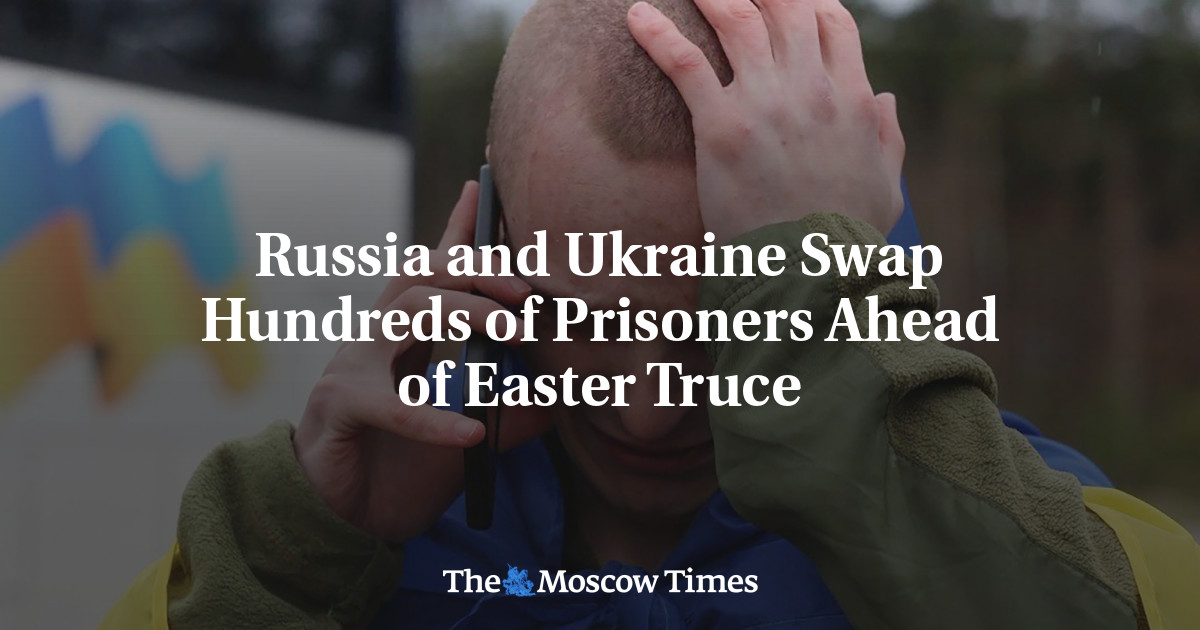
Russia and Ukraine Exchange 175 Servicemen via UAE Deal
Russia and Ukraine exchanged 175 prisoners of war each on April 11, 2026, in a diplomatic deal mediated by the United Arab Emirates. The swap, which included the return of seven Russian civilians, occurred immediately preceding a scheduled Easter truce to facilitate urgent humanitarian repatriation efforts.
The timing of this exchange is not accidental. By aligning the swap with the Easter truce, both nations are leveraging a window of relative stability to move high volumes of personnel across borders. However, the logistical reality of repatriating hundreds of individuals—many of whom are in critical condition—creates an immediate humanitarian crisis upon arrival.
The sheer scale of the physical and psychological trauma accompanying these returns cannot be overstated. When servicemen return from captivity, the immediate need is rarely just administrative; it is clinical. The UAE Ministry of Foreign Affairs has already highlighted that returning Russian servicemen are currently receiving urgent medical care. This underscores a recurring problem in conflict zones: the gap between a successful diplomatic swap and the long-term rehabilitation of the survivors.
For families and governments, the transition from a POW camp to a home environment is a volatile process. Ensuring a seamless recovery requires more than just state-run hospitals. There is an escalating demand for specialized rehabilitation clinics and trauma-informed mental health professionals who can manage the complex PTSD associated with long-term captivity.
The UAE’s Ascendance as a Diplomatic Hub
The United Arab Emirates is no longer just a facilitator; it is becoming the primary bridge between Moscow and Kyiv. This latest exchange, as confirmed by the Russian Defense Ministry, was facilitated entirely by the UAE. This marks a strategic shift in the mediation landscape.

Looking back to March 6, 2026, a similar release of hundreds of POWs required the combined mediation of both the United States and the UAE. The fact that the April 11 swap was handled by the UAE alone suggests a deepening level of trust and a streamlined diplomatic channel that operates independently of Western superpowers.
This shift creates a modern geopolitical reality. The UAE is positioning itself as a neutral ground where the most sensitive humanitarian negotiations can occur without the political baggage associated with NATO-aligned mediators.
The UAE Ministry of Foreign Affairs has announced the success of these new efforts, signaling a commitment to ongoing mediation.
But diplomacy is only half the battle. The legal status of these returning prisoners—particularly the seven civilians returned to Russia—presents a labyrinth of jurisdictional challenges. Repatriated individuals often face complex legal hurdles regarding their status, missing documentation, and potential interrogations upon return.
Navigating these legal waters is an immense burden for the families involved. Many are now turning to international human rights attorneys to ensure that the rights of the repatriated are protected and that their legal identities are restored across international borders.
The Logistics of the Easter Truce
The “Easter truce” serves as a fragile but essential mechanism for humanitarian corridors. Although the ceasefire may be temporary, the impact of the 175-person swap is permanent. The Russian Defense Ministry’s confirmation that both sides exchanged an equal number of servicemen suggests a parity in the current phase of negotiations.
However, the urgency of the medical care mentioned in reports from France24 indicates that the condition of the prisoners has deteriorated significantly during their captivity. This suggests that while the numbers are balanced, the physical toll is not.
The process of moving 350+ people (including civilians) across a war zone requires precise coordination. It involves secure transport, medical triage at the border, and immediate screening. When state infrastructure is overwhelmed, the reliance on private, vetted logistics and medical transport becomes critical.
The pattern is clear: the UAE is successfully filling the void left by larger, more polarized diplomatic entities. By focusing on the “human” element—the POWs and civilians—they are building a diplomatic portfolio that transcends simple brokerage.
A Cycle of Repatriation
This event is part of a broader, repeating cycle. We saw the groundwork laid in early March, and we are seeing it culminate now in April. The consistency of these swaps suggests that both Russia and Ukraine view the exchange of personnel as one of the few remaining viable channels for communication.
The Russian Defense Ministry’s transparency regarding the number of servicemen (175) and civilians (7) serves as a signal to the domestic population that the state is successfully recovering its own. Yet, for the individuals returning, the “success” of the swap is only the beginning of a long, arduous journey toward reintegration.
The problem remains that the infrastructure for reintegration is often an afterthought to the diplomacy of the swap. The focus is on the headline—the number of people exchanged—rather than the long-term care required after the cameras leave the border crossing.
As we move past the Easter truce, the window for these humanitarian efforts may close, or it may open wider depending on the UAE’s continued influence. The world is watching to witness if this mediation can evolve from simple prisoner swaps into a broader framework for conflict resolution.
The return of these 357 individuals is a victory for diplomacy, but a challenge for recovery. The road from a POW camp to a functional life is paved with medical emergencies, legal disputes, and psychological scars. For those tasked with supporting the repatriated, the priority must now shift from the negotiation table to the clinic and the courtroom. Finding verified, experienced professionals through the World Today News Directory is the only way to ensure these survivors receive the specialized care they deserve.