
Rural Ireland EV Challenge: Can the Grid Handle the Switch?
Ireland’s rural electricity grid faces an impending crisis as electric vehicle (EV) adoption surges, threatening widespread outages and requiring substantial infrastructure investment. Trinity College Dublin research highlights that rural areas, despite housing only 36% of the population, contribute 55% of the nation’s transport emissions, making them the focal point of decarbonization efforts. This rapid transition necessitates urgent grid reinforcement and smart charging solutions, creating significant opportunities for specialized energy infrastructure services firms.
The core problem isn’t simply increased demand; it’s the *nature* of that demand. Ireland’s historical energy consumption patterns relied on distributed, unpredictable loads. Rural networks were designed with “load diversity” in mind – the assumption that not everyone would simultaneously run high-draw appliances. EVs, though, introduce a concentrated, predictable surge in demand, particularly during off-peak charging hours. This shift strains aging infrastructure, risking transformer failures and widespread disruptions. The financial implications are substantial, extending beyond repair costs to include potential penalties for grid instability and lost productivity.
The Synchronized Peak: A Looming Threat
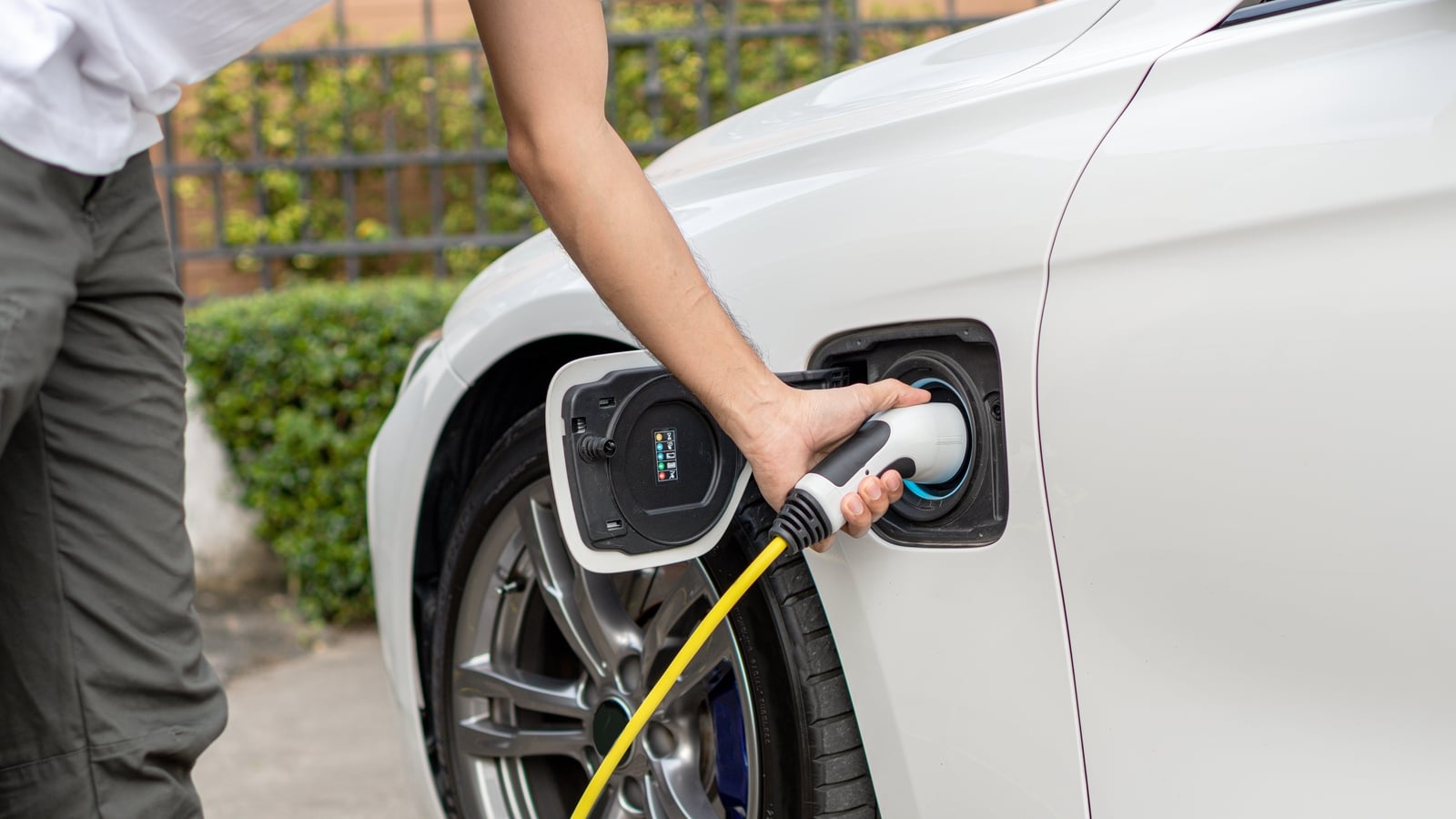
A standard pole-mounted transformer serving six homes typically has a 15kW capacity. Even as adequate for intermittent loads like kettles (3kW) or showers (7kW), it buckles under the sustained 7.3kW draw of an EV charger for approximately seven hours. Even with incentives encouraging overnight charging (02:00–05:00), the risk of creating a new, concentrated “synchronized peak” remains high. This isn’t a theoretical concern. According to ESB Networks’ latest grid connection reports, 56.8% of all listed substations – over 26,000 units – already experience capacity constraints. These “red areas” effectively block further high-power connections, creating a geographic disparity in EV viability.

The situation is particularly acute in commuter belts and rural regions like Meath, Kildare, and Wicklow, which are witnessing the fastest growth in EV registrations alongside the most severe grid limitations. This disconnect is driving up costs for consumers and delaying the broader adoption of electric transport. “The current grid infrastructure wasn’t designed for this level of concentrated demand,” explains Dara Lynott, CEO of Electricity Association, in a recent RTÉ Radio 1 interview. “We necessitate significant investment and innovative solutions to avoid widespread outages and ensure a smooth transition.”
Financial Strain and the Need for Proactive Investment
The cost of upgrading Ireland’s rural electricity grid is projected to reach billions of euros over the next decade. ESB Networks is facing a difficult prioritization challenge, balancing the need for widespread upgrades with budgetary constraints. However, delaying investment will only exacerbate the problem, leading to higher repair costs, increased downtime, and potentially hindering Ireland’s ability to meet its ambitious carbon reduction targets – 845,000 EVs by 2030, as outlined in the Climate Action Plan 2025. This situation is creating a compelling need for specialized financial advisory services. Companies seeking to navigate these complex infrastructure projects are increasingly turning to project finance consulting firms to secure funding and manage risk.
The impact extends beyond direct infrastructure costs. The potential for grid instability also introduces systemic risk into the energy market, potentially driving up electricity prices and impacting the competitiveness of Irish businesses. According to a recent analysis by the Central Bank of Ireland, prolonged grid outages could shave up to 0.5% off Ireland’s GDP annually. This underscores the urgency of addressing these infrastructure challenges proactively.
Smart Charging: A Critical Mitigation Strategy
While grid reinforcement is essential, it’s not the sole solution. Smart charging technologies offer a cost-effective way to manage demand and alleviate pressure on the network. Coordinated strategies, including scheduling, queuing services, and flexible demand response programs, can distribute electrical loads over wider windows, reducing strain on local infrastructure. Trinity College Dublin’s research emphasizes the potential of smart charging to significantly delay or even avoid costly grid upgrades.
However, implementing smart charging requires collaboration between policymakers, grid operators, and EV stakeholders. Standardized protocols, interoperable charging infrastructure, and consumer incentives are all crucial for successful deployment. Data analytics and predictive modeling are essential for optimizing charging schedules and ensuring grid stability. This demand for sophisticated data management is driving growth in the data analytics services sector, with firms specializing in energy optimization seeing increased demand.
“The key to unlocking the potential of EVs in rural Ireland isn’t just about adding more capacity; it’s about managing demand intelligently. Smart charging is a game-changer, but it requires a coordinated effort from all stakeholders.” – Dr. David McCloskey, Associate Professor of Science of Energy and Energy Systems, Trinity College Dublin.
Geographic Disparities and the Need for Targeted Investment
The challenges aren’t evenly distributed across Ireland. While urban centers like Dublin currently maintain sufficient grid capacity, rural areas are disproportionately affected. This geographic disparity risks creating a two-tiered EV market, where access to electric transport is limited by infrastructure constraints. Targeting lower-density rural areas for grid reinforcement is therefore essential for ensuring a fair and equitable transition.
The current wait times for grid upgrades in rural areas can be excessively long, often exceeding 12 weeks, but frequently stretching into years. This delay is particularly problematic given that private transport is a necessity, not a luxury, for many rural residents. Streamlining the upgrade process and prioritizing projects in areas with the greatest need is crucial for accelerating EV adoption and achieving Ireland’s climate goals.
The full research paper detailing these findings is available here, and a helpful app for assessing EV suitability in rural areas can be found here.
Ireland’s electrification journey is at a critical juncture. Addressing the challenges facing its rural electricity grid requires a combination of proactive investment, innovative technologies, and collaborative partnerships. For businesses seeking to capitalize on this evolving landscape, identifying and engaging with specialized B2B partners is paramount. The World Today News Directory provides a curated platform to connect with vetted service providers equipped to navigate the complexities of Ireland’s energy transition and unlock the opportunities within this dynamic market.