
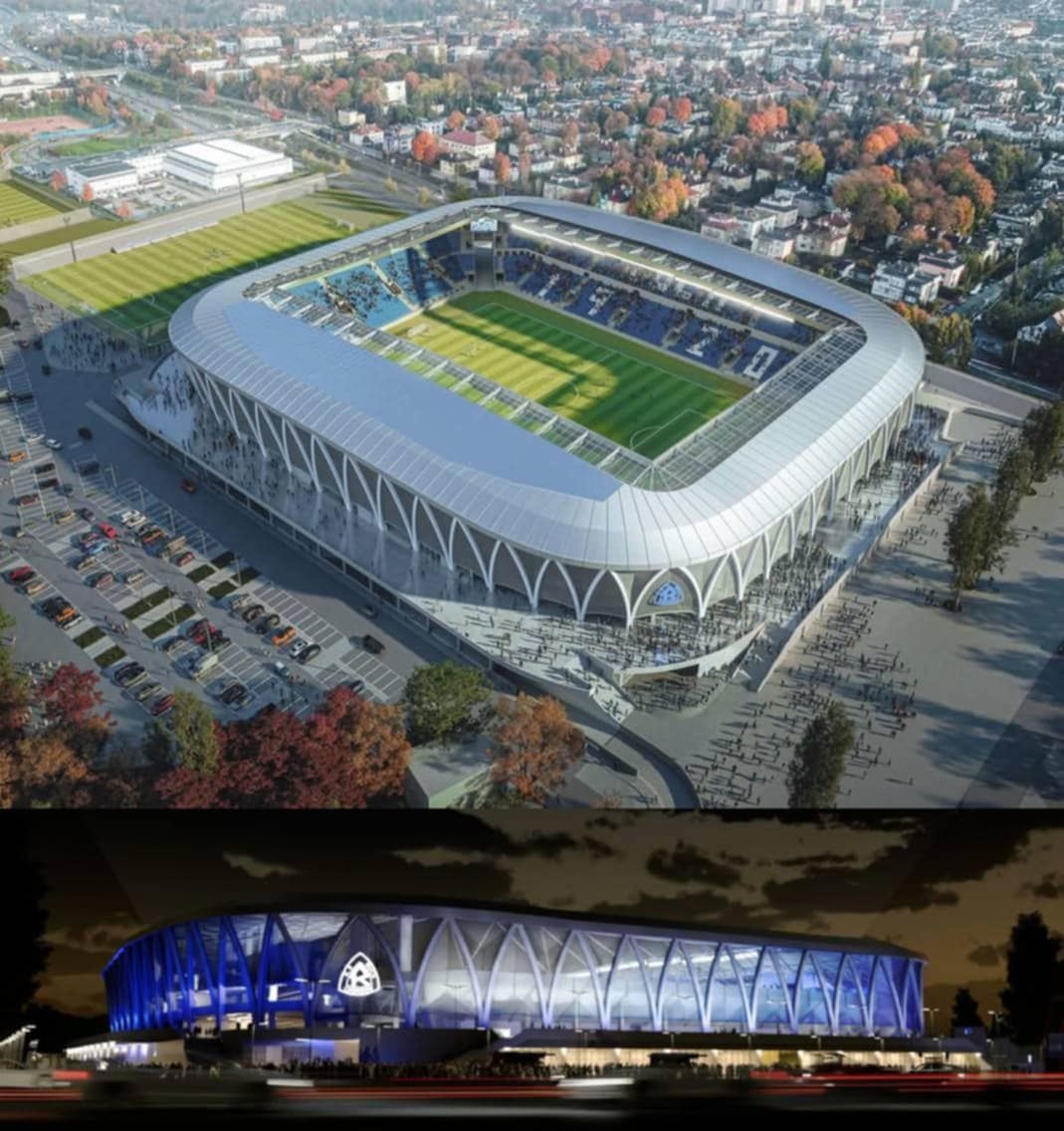
The new Cicha 6 stadium is now at the center of a structural shift involving urban revitalization and regional sports economics.The immediate implication is a re‑orientation of Chorzów’s municipal revenue base and civic branding.
The Strategic Context
As the post‑communist transition, many mid‑size Polish cities have leveraged sports venues to stimulate local economies, attract investment, and reinforce regional identity. Demographic stagnation and competition for EU progress funds have pushed municipalities to pursue flagship projects that can generate ancillary commercial activity and improve public‑private partnership (PPP) experience. The decision to rebuild Cicha 6 aligns with this broader pattern of using sport infrastructure as a catalyst for urban regeneration and as a means to retain talent in peripheral labor markets.
Core Analysis: Incentives & Constraints
Source Signals: The concept for a new 22,000‑seat stadium was presented as scheduled. Construction will begin with the main stand, featuring VIP boxes and full infrastructure, enabling the club to return to the site. The pitch orientation will be rotated 90 degrees. Subsequent phases include additional stands (4,000 + 8,000 + 4,000 seats) and commercial zones aimed at activity beyond match days. Tenders are slated for 2026, works from 2027 to 2028, with possible extension to 2029. The city seeks extra funding to accelerate completion.
WTN Interpretation: The timing reflects the municipality’s need to lock in EU or national co‑funding cycles before the 2027 budget window closes, leveraging the club’s brand to justify public expenditure. The inclusion of VIP boxes and commercial zones signals a shift toward revenue diversification,reducing reliance on ticket sales and aligning with a broader trend of stadiums serving as mixed‑use hubs. Constraints include fiscal limits of the city, potential delays in tendering, and the necessity to secure supplemental financing, which might potentially be vulnerable to macro‑economic tightening or shifts in EU cohesion policy.The rotated pitch orientation suggests an attempt to optimize land use within the existing urban footprint, a response to limited expansion space in dense city districts.
WTN Strategic insight
“Mid‑tier European cities are converting legacy sports venues into multi‑purpose districts, turning match‑day crowds into year‑round economic engines.”
Future Outlook: Scenario Paths & Key Indicators
Baseline Path: If tendering proceeds on schedule, financing is secured, and construction adheres to the 2027‑2028 timeline, the stadium will reopen by 2029, delivering a modest boost to local commerce, increased municipal tax revenues, and enhanced civic pride. The commercial zones will attract ancillary businesses, creating a modest but steady uplift in employment.
Risk Path: If funding gaps emerge, or if macro‑economic pressures delay tender awards, construction could slip beyond 2029, inflating costs and eroding public support. A prolonged delay may also weaken the club’s competitive position,reducing the projected ancillary revenue and prompting reconsideration of the stadium’s scale.
- Indicator 1: Publication of the 2026 tender results and the amount of co‑funding pledged by national or EU bodies.
- Indicator 2: Quarterly municipal budget reports showing allocation of capital expenditure to the stadium project versus other infrastructure priorities.
