
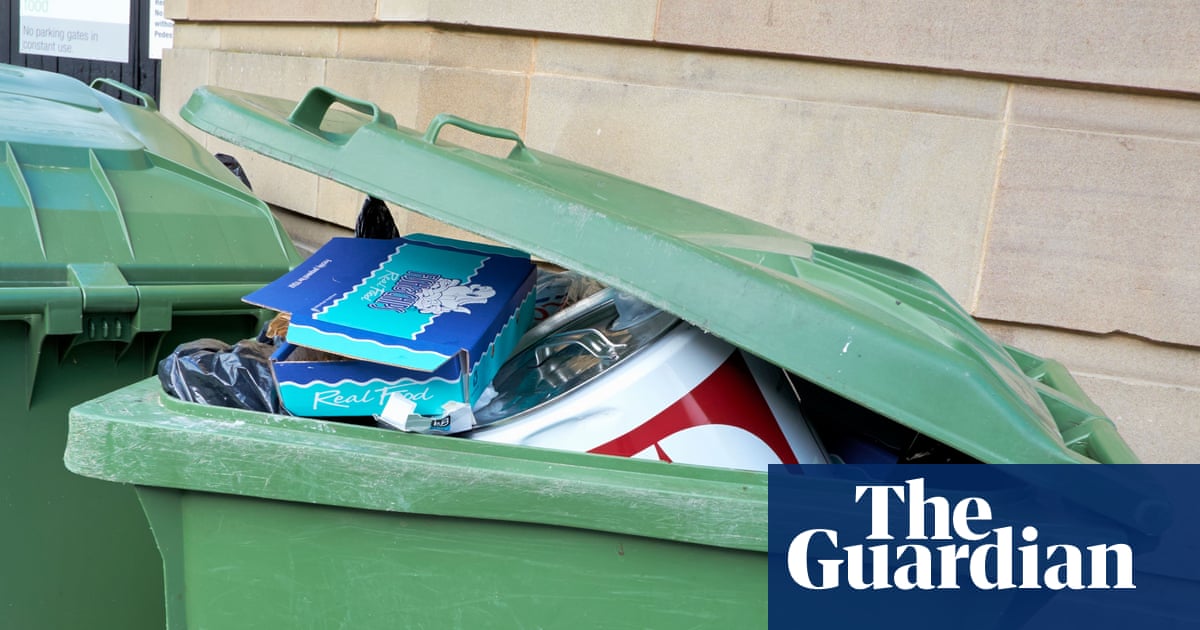
Rubbish and recycling in England: what’s changing and why it matters | Waste
England’s recycling system undergoes a significant overhaul on March 31st, 2026, mandating standardized collections for food, garden, paper, plastic and residual waste across all councils. This legislation, aimed at boosting the nation’s stagnant 44% recycling rate to 65% by 2035, presents both logistical challenges and substantial opportunities for waste management firms and related service providers. The shift necessitates significant investment in infrastructure and streamlined processes, impacting municipal budgets and creating demand for specialized expertise.
The Fiscal Strain on Local Authorities
The “Simpler Recycling” policy isn’t simply about convenience; it’s a fiscal reckoning for local councils. While Environment Minister Mary Creagh highlights increased budgetary support, the reality is more complex. Implementing separate food waste collection, upgrading materials recovery facilities (MRFs), and managing the transitional period will strain already stretched municipal finances. The cost of new bins, specialized vehicles, and public awareness campaigns will be considerable. This pressure is particularly acute for councils already grappling with austerity measures and rising social care costs. The immediate impact will be felt in Q2 and Q3 of 2026 as councils finalize contracts and begin infrastructure upgrades.
The stagnation of England’s recycling rate – lagging behind Wales (57%) and Northern Ireland (50%) – underscores a systemic inefficiency. The previous postcode lottery of recycling rules created confusion for consumers and hampered economies of scale for recyclers. This inefficiency translates directly into lost revenue and increased landfill costs. The new regulations aim to unlock value from previously wasted resources, but the initial investment is substantial.
The Export Dilemma and Domestic Recycling Capacity
A critical vulnerability lies in the UK’s reliance on exporting recyclable materials, particularly plastics. Roughly half of the plastic collected is shipped overseas, primarily to Turkey, the Netherlands, and Malaysia. This dependence exposes the UK to geopolitical risks and undermines the development of a robust domestic recycling sector. Industry data, as reported by The Guardian, reveals the closure of 21 plastic recycling and processing facilities in the last two years, citing export volumes, low virgin plastic prices, and competition from cheaper Asian imports. This trend is deeply concerning, as it represents a loss of skilled jobs and a missed opportunity to create a circular economy.
“The current export model is unsustainable. We’re essentially shipping our environmental problems overseas while stifling innovation and investment in domestic recycling infrastructure. A long-term solution requires a concerted effort to build capacity within the UK and incentivize the use of recycled materials.” – Dr. Eleanor Vance, Senior Portfolio Manager, Sustainable Investment Group.
The EU’s ban on plastic waste exports to developing countries highlights a growing global consensus on the need for responsible waste management. The UK’s failure to adopt a similar policy is a significant oversight. The lack of domestic processing capacity creates a bottleneck in the supply chain, driving down the value of recycled materials and discouraging investment. Companies seeking to navigate this complex landscape are increasingly turning to specialized waste management consulting firms to optimize their recycling strategies and ensure compliance with evolving regulations.
Food Waste: A Renewable Energy Opportunity
The mandated collection of food waste represents the most significant change under the new regulations. Separate food waste collection allows for anaerobic digestion, a process that generates renewable energy (biogas) and produces biofertilizer for agriculture. This not only reduces landfill waste and greenhouse gas emissions (methane is over 80 times more potent than carbon dioxide) but also creates a valuable resource. However, the success of this initiative hinges on the availability of sufficient anaerobic digestion facilities.
The economic potential of food waste recycling is substantial. According to WRAP (Waste & Resources Action Programme), households in the UK waste approximately 6.6 million tonnes of food annually, costing an estimated £20 billion. Capturing even a fraction of this waste stream could generate significant revenue and reduce reliance on fossil fuels.
Navigating the Compliance Landscape
The transitional period for councils, with 31 granted bespoke arrangements for food waste collection, introduces a degree of uncertainty. Standardizing dry recycling collections by March 31st is a more immediate priority. However, the potential for incorrect sorting and contamination remains a significant challenge. Biodegradable or compostable plastics, if mixed with conventional plastics, can compromise the entire recycling batch. Similarly, recyclable materials sent to landfill negate the benefits of the new system.
This complexity underscores the need for robust quality control measures and effective public education campaigns. Companies involved in waste collection and processing are facing increased scrutiny and liability. To mitigate these risks, they are seeking legal counsel from specialized environmental law firms to ensure compliance with the new regulations and navigate potential legal challenges.
The Toothpaste Tube Paradox and Extended Producer Responsibility
Even seemingly minor details, like toothpaste tubes, highlight the challenges of recycling complex materials. The recent initiative coordinated by WRAP to make most toothpaste tubes 100% recyclable is a positive step, but it relies on consumer awareness and council acceptance. This situation underscores the importance of Extended Producer Responsibility (EPR) schemes, where manufacturers are held accountable for the finish-of-life management of their products.
EPR schemes incentivize manufacturers to design products that are easier to recycle and to invest in recycling infrastructure. The UK government is currently considering implementing EPR schemes for a wider range of products, including packaging, electronics, and textiles. This shift will have significant implications for businesses, requiring them to rethink their product design and supply chain strategies.
The Path Forward: Investment and Innovation
The “Simpler Recycling” legislation is a necessary step towards a more sustainable waste management system in England. However, its success depends on sustained investment in infrastructure, innovation, and public education. The financial burden on local authorities is significant, and the reliance on exporting recyclable materials remains a vulnerability.
The coming fiscal quarters will be critical for assessing the impact of the new regulations. Investors will be closely monitoring the performance of waste management companies and the uptake of anaerobic digestion technology. The demand for specialized services, such as waste management consulting and environmental legal counsel, is expected to increase.
To capitalize on the opportunities presented by this evolving landscape, businesses must proactively adapt their strategies and seek expert guidance. The World Today News Directory provides access to a vetted network of environmental consulting firms and other B2B service providers that can help navigate the complexities of the new recycling regime and unlock the value of a circular economy. Don’t let regulatory changes disrupt your operations – connect with the right partners today.