
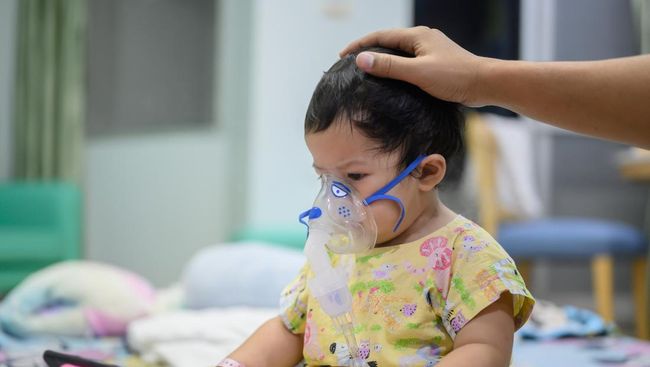
New WHO Proposal: Maternal RSV Vaccination Urged too Protect Infants
Jakarta, Indonesia – August 7, 2025 – In a meaningful development for infant health, health experts in Indonesia are echoing a new World Health Institution (WHO) recommendation: pregnant individuals should receive an RSV vaccine during the third trimester to provide crucial protection to their newborns. This comes as data reveals developing countries continue to bear the brunt of severe respiratory illness and mortality linked to Respiratory Syncytial Virus (RSV).
RSV is a common respiratory virus that typically causes mild, cold-like symptoms. However, for infants and young children, it can lead to bronchiolitis and pneumonia, frequently requiring hospitalization. Globally, RSV is estimated to cause approximately 3.6 million cases requiring inpatient care and 100,000 deaths annually in children under five years of age, with the highest mortality rates occurring in regions with limited access to medical care.The virus exists in two main genotypes, RSV A and RSV B, both contributing to the spread and severity of infection, particularly in vulnerable populations.While often mistaken for a common cold, RSV can have lasting consequences.”RSV infection is not a mild problem to be ignored,” emphasizes Professor Dr. Dr. Rinawati Rohsiswatmo, Sp.A (K), a leading Indonesian pediatrician.”This disease can have a long-term impact on a baby’s respiratory system.” She stresses the importance of early recognition of symptoms and prompt medical attention to minimize the risk of serious lung complications. An RSV infection can persist for up to two weeks and possibly lead to chronic respiratory issues.
The urgency behind the WHO recommendation stems from the underdeveloped immune systems of newborns. Providing passive immunity through maternal vaccination is seen as a proactive and effective strategy.
Professor Dr. Dr. Dwiana Ocviyanti, sp.OG (K), MPH, an expert in obstetrics and gynecology, explains that the WHO specifically recommends a single dose of the RSV vaccine be administered during the third trimester of pregnancy, ideally after 28 weeks gestation. This timing allows for sufficient antibody transfer to the fetus,offering protection from birth.”By vaccinating timely, the risk of hospitalization due to RSV virus infection can be substantially reduced,” states Prof. Ocviyanti.
Beyond Vaccination: Ongoing Prevention Efforts
While vaccination is a key advancement, public health officials continue to emphasize other preventative measures, including:
Good hygiene practices: Frequent handwashing, covering coughs and sneezes.
Avoiding close contact: limiting exposure to sick individuals.
Breastfeeding: providing infants with crucial antibodies. Prompt medical attention: Seeking care at the first sign of respiratory distress.
Resources for Parents:
Parents seeking support and facts on parenting can join the Haibunda Squad Community: News Lead: Framed the article as a response to a new WHO recommendation.
Specific Location: Explicitly states the article is focused on Indonesia.
Expanded Prevention Section: Added a list of ongoing preventative measures beyond vaccination.
Clarification of Vaccination Timing: More precise guidance on when during the third trimester the vaccine should be administered (after 28 weeks).
Emphasis on Passive Immunity: Explained how maternal vaccination protects the infant. Added context on global disparities: Highlighted the disproportionate impact of RSV in developing countries.
* Reorganized for Flow: Structured the article to move from the immediate news to evergreen background information.
Angle: The article focuses on the proactive approach of maternal vaccination as a critical step in protecting vulnerable infants, particularly in regions where access to healthcare is limited. It also emphasizes the importance of recognizing RSV symptoms and seeking prompt medical attention.
