
Latvia Exports Booming round Goby Population Despite Local market Resistance
Table of Contents
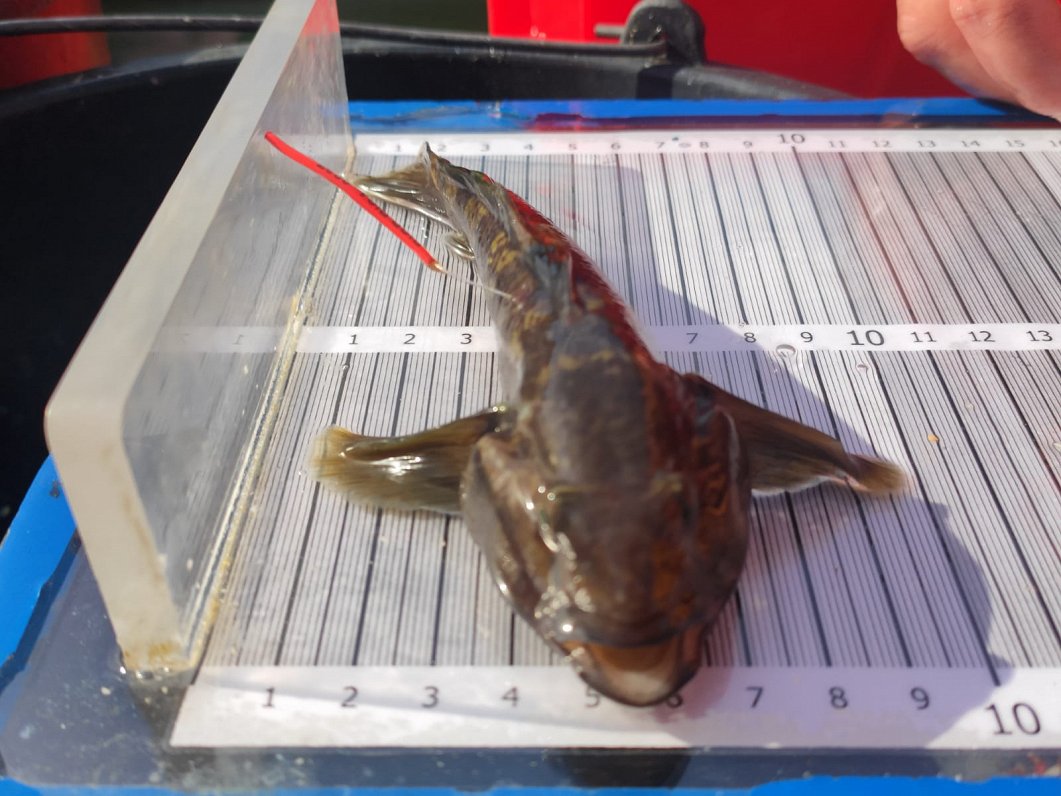
Riga, Latvia – August 14, 2024 – Latvia is experiencing a surge in round goby (Neogobius melanostomus) catches, exceeding several hundred tonnes annually, yet the fish remains largely an export product. Despite being the second most caught fish in Latvian waters after the Baltic herring, local consumer acceptance remains low, according to a report from Latvian Television on August 11th.
The Rise of the Round Goby in the Baltic Sea
The round goby, a small fish originating from the Caspian Sea, first appeared in the Baltic Sea approximately 30 years ago. Its rapid proliferation has established a considerable population throughout the region, becoming a meaningful component of the Baltic Sea ecosystem. Loreta Rozenfelde, a researcher at the bior Research Institute’s marine division, identifies the round goby as a key species in the Baltic Sea.
Export Paradox: High Demand Elsewhere
Initial optimism surrounding the goby as a new food resource in Latvia faded as consumer preferences leaned towards traditional smoked haddock, particularly among tourists during the summer months, as noted by Ēriks Krūze, Head of Bior’s Marine Division. Consequently, the majority of the catch is exported, primarily to Ukraine and Bulgaria, where the round goby is a popular culinary item.
black Sea Market Value & Research into Baltic Goby
Rozenfelde highlights the high market value of the round goby in the Black Sea region, where Baltic Sea-sourced gobies command premium prices due to their larger size and longer growth periods. The Bior Research Institute is actively investigating methods to increase local consumption within the Baltic region.Recent tests conducted by Iveta Pugajeva, Head of Bior’s Chemistry Laboratory Group, confirm the fish is safe for human consumption, meeting European Union standards for persistent organic pollutants and toxic metals.
Nutritional Benefits and Future Outlook
The round goby is a lean protein source, containing only 1% fat and approximately 17% protein. Experts emphasize the need to integrate the round goby into the Baltic region’s economy, acknowledging its permanent presence in the Baltic Sea ecosystem. Further research is planned to explore innovative culinary applications and marketing strategies to appeal to local consumers. The Bior research Institute is located in Riga, Latvia and is a key player in Baltic Sea marine research.
