
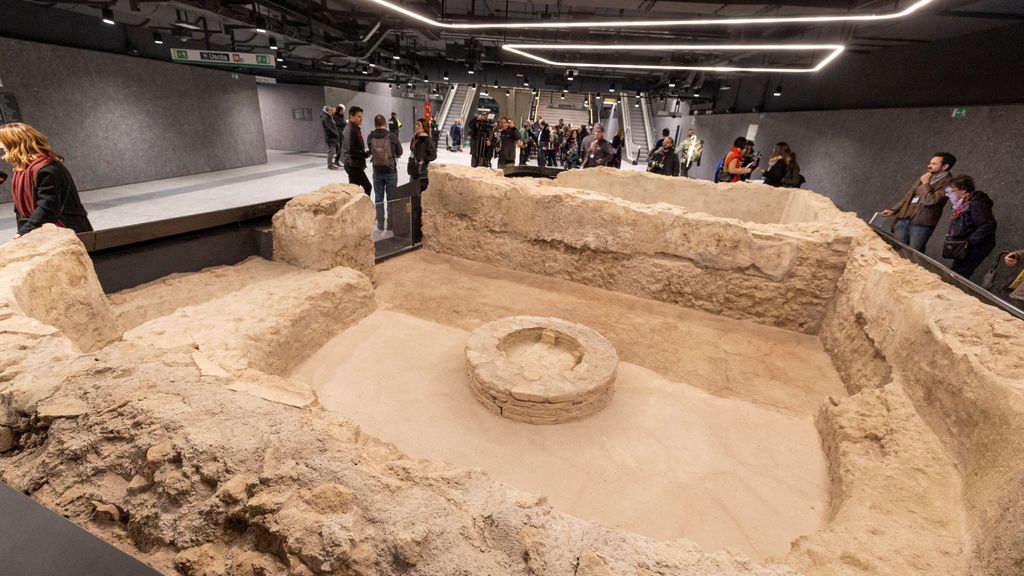
Rome’s metro expansion is now at the center of a structural shift involving heritage‑driven construction risk. The immediate implication is that transport planning will increasingly intertwine with cultural‑tourism economics and fiscal pressure.
The Strategic Context
Rome’s urban fabric is a palimpsest of millennia‑old layers, a reality that has historically constrained large‑scale infrastructure projects. The city’s three‑line metro system has lagged behind peers in Europe because archaeological discoveries routinely trigger work stoppages, cost overruns, and public debate over preservation versus mobility.This dynamic sits within broader European trends: aging urban cores, rising tourism demand, and fiscal constraints on public investment. The new stations on line C-particularly the Colosseum and Porta Metronia sites-exemplify the convergence of transport modernization, heritage commodification, and budgetary stress.
Core Analysis: Incentives & Constraints
Source Signals: The article confirms that after prolonged delays and escalating costs, Rome opened two metro stations, one at the Colosseum, revealing dozens of ancient wells and hundreds of artifacts. At Porta Metronia, a 2,000‑year‑old army barracks and a painted house were uncovered. The transport minister frames the stations as tourist attractions, and the line‑C extension toward the Vatican and the Tiber is projected to take another decade. Rome’s metro network remains limited to three lines, partly due to frequent archaeological finds and concerns about damaging heritage.
WTN Interpretation:
The primary incentive for the government is to signal progress on a flagship infrastructure project that can alleviate chronic traffic congestion and boost the city’s tourism appeal. By showcasing archaeological finds within stations, officials aim to turn a construction liability into a revenue‑generating attraction, aligning transport policy with the tourism sector’s growth. The transport minister’s comment reflects a strategic use of “heritage tourism” to justify continued public spending despite fiscal pressures. Constraints include Italy’s complex heritage‑protection regulations, which mandate exhaustive archaeological surveys, and the limited fiscal space that makes cost overruns politically sensitive. Moreover,the long‑term extension plans face uncertainty from budget allocations,EU co‑funding rules,and potential public opposition if heritage sites are perceived to be at risk.
WTN Strategic Insight
“When ancient ruins become the centerpiece of a modern subway, the line between preservation cost and tourism revenue blurs, turning heritage risk into a strategic asset.”
Future Outlook: Scenario Paths & Key Indicators
Baseline Path: If the heritage‑tourism framing continues to gain political support and EU infrastructure funds remain accessible, line C’s extension will progress on schedule, with stations serving dual roles as transit hubs and curated museum spaces. traffic congestion eases modestly, and ancillary tourism revenues offset a portion of the construction overruns.
Risk Path: if fiscal tightening intensifies, or if a high‑profile heritage controversy erupts (e.g., damage claims from a newly discovered site), public opposition could stall further extensions, leading to prolonged delays and potential re‑allocation of funds to other regional projects. This woudl preserve the status quo of limited metro coverage and exacerbate traffic congestion.
- Indicator 1: release of the EU Cohesion Fund allocation for Italian urban transport (expected Q1‑Q2 2026). Confirmation of funding levels will signal the fiscal viability of further line C extensions.
- Indicator 2: publication of any new heritage impact assessments or legal challenges related to the Colosseum or Porta Metronia stations (anticipated within the next six months). Such documents will indicate the intensity of preservation constraints.
