
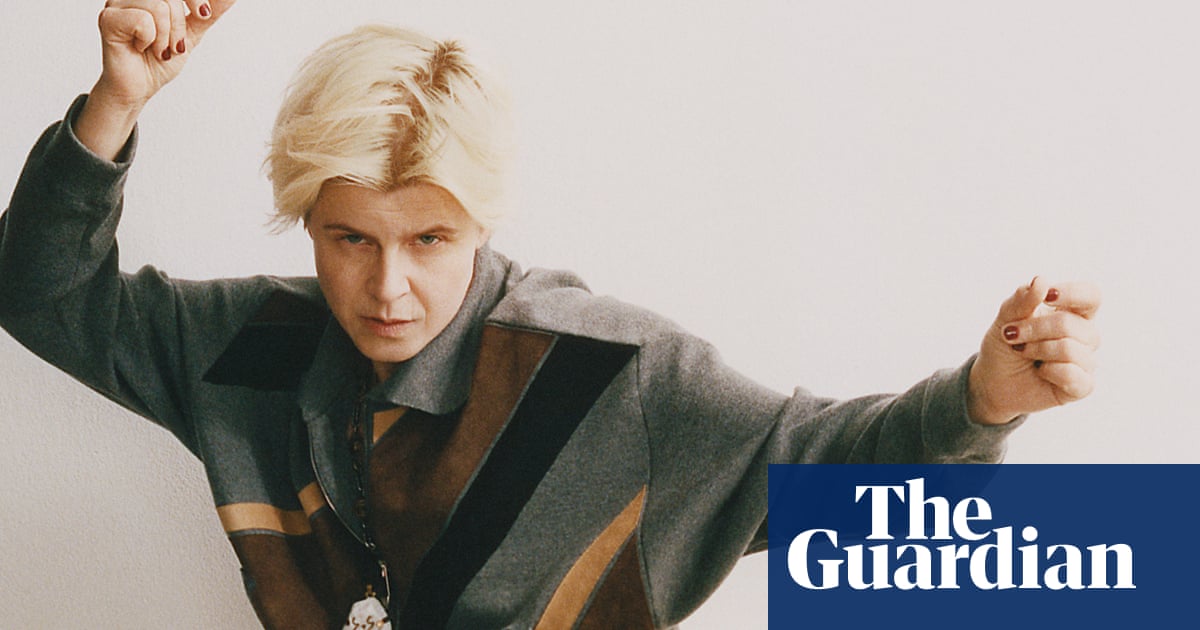
Robyn on New Album Sexistential Single Motherhood and Independence
Swedish pop icon Robyn breaks an eight-year silence with Sexistential, a raw exploration of IVF and single motherhood that redefines her brand equity beyond the “heartbreak archetype.” Released via her independent label Konichiwa Records, the album challenges industry ageism while leveraging full intellectual property control, signaling a mature pivot for artists navigating the post-streaming economy.
The High Stakes of the Eight-Year Gap
In the hyper-accelerated timeline of modern pop culture, an eight-year hiatus is less of a break and more of a career reset button. When Robyn finally stepped out of the studio attic in London this March, she wasn’t just releasing music; she was solving a complex public relations equation. The industry problem here is stark: how does a legacy act, revered by Gen Z but rooted in the 90s, return without becoming a nostalgia act? The solution lies in radical vulnerability. By centering Sexistential on the grueling, unglamorous reality of IVF and raising a son alone, Robyn bypasses the “comeback tour” cliché and establishes a new narrative lane. This isn’t merely artistic expression; it is a strategic maneuver to secure long-term brand relevance in a market saturated with manufactured teen idols.
The timing is impeccable. Following the cultural dominance of Charli XCX’s Brat era and the recent premiere of the mockumentary The Moment in early 2026, the appetite for deconstructing the “pop star machine” is at an all-time high. Robyn, who once opened for Destiny’s Child and toured with the Spice Girls, now occupies a unique space as the mentor who walked away. She describes her early career as a “UFO” experience, isolated in foreign time zones without the language to process the exploitation. Today, that isolation has transformed into autonomy. She runs Konichiwa Records, retaining ownership of her masters—a financial decision that older catalog artists are only now realizing is the key to generational wealth.
From Exploitation to IP Ownership
The contrast between Robyn’s early contracts and her current standing highlights a seismic shift in entertainment law and artist advocacy. In the late 90s, she signed deals yielding a mere 6% royalty rate, a figure that would be considered predatory even by the standards of that decade. “These insane inequalities between artists and the industry have got better,” she notes, though she remains critical of the streaming model. Her journey from a Jive Records teenybopper to an independent powerhouse serves as a case study for modern talent agencies. When an artist decides to reclaim their narrative, the logistical burden shifts entirely to their internal team. They are no longer just performers; they are CEOs managing complex royalty structures and independent label distribution deals.
This level of independence requires a fortress of professional support. An artist navigating a high-profile return while managing single parenthood cannot rely on the traditional label safety net. The immediate need is for specialized entertainment attorneys and IP specialists who can protect the artist’s likeness and songwriting credits in a digital landscape prone to infringement. The decision to tour with a three-year-old transforms a standard concert run into a complex logistical operation. This isn’t just about booking venues; it involves coordinating family-friendly tour logistics and security that accommodate a child’s schedule without compromising the show’s intensity.
The “Man Desert” and the Economics of Aging
Robyn’s commentary on the “man desert”—the scarcity of partners who appreciate women over 40—touches on a broader cultural friction point. In an industry that often discards female artists once they pass their commercial prime, Robyn’s refusal to smooth out her smile lines is a quiet act of rebellion. She acknowledges the pressure but rejects the cure, noting that while she has “no problem with Botox,” she prefers to let her age define her less. This authenticity resonates with a demographic that has been historically underserved by pop marketing: women in midlife who still want to dance.
However, marketing this demographic presents its own set of challenges for record labels and promoters. Traditional radio formats often skew young, meaning the promotional strategy must pivot heavily toward streaming platforms and direct-to-consumer engagement. The data suggests that millennial listeners, now in their 30s and 40s, are driving the vinyl resurgence and premium subscription tiers. Robyn’s team is likely leveraging this by focusing on high-margin merchandise and exclusive live experiences rather than chasing Top 40 radio placement.
“The immediate move for any legacy act rebranding in this climate is to deploy elite crisis communication firms to manage the narrative around personal life changes. You cannot let the tabloids define the IVF story; the artist must own it.”
This sentiment is echoed by industry veterans who see Robyn’s approach as the new blueprint. “When a brand deals with this level of personal exposure, standard statements don’t operate,” says a senior music publicist who has worked with major Scandinavian exports. “The studio’s immediate move is to deploy elite crisis communication firms and reputation managers to stop the bleeding before it starts. Robyn didn’t have bleeding to stop because she controlled the message from day one.”
The Future of the Autonomous Pop Star
As Robyn prepares to take her “rock’n’roll pose” to stages across Europe this June, the implications for the wider industry are clear. The era of the passive pop star is over. The modern artist must be a hybrid of creator, business owner, and cultural commentator. Robyn’s ability to weave her personal trauma into a cohesive commercial product without sacrificing her dignity proves that vulnerability, when managed correctly, is a viable asset class.
For the directory of professionals serving this sector, the lesson is evident. The demand is no longer just for talent agents who can book gigs, but for holistic management teams capable of navigating the intersection of personal life and public brand. Whether it is securing luxury hospitality for touring families or negotiating backend gross participation in streaming deals, the infrastructure around the artist must be as robust as the art itself. Robyn has built her universe; the rest of the industry is finally catching up to the gravity of her orbit.