
Rising Gas Prices and Used EV Surge Create Deals for Philadelphia Buyers
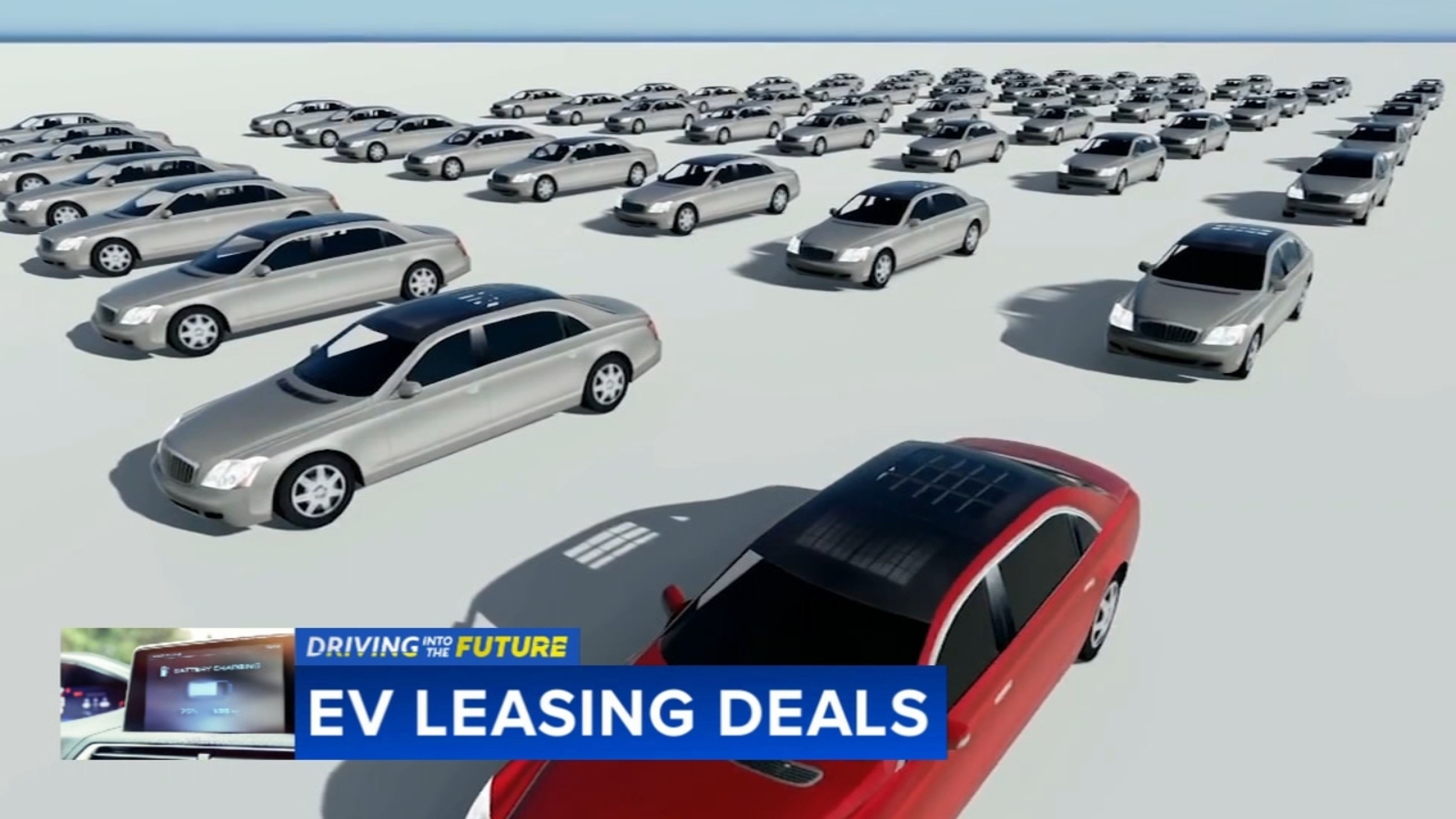
A massive influx of over 300,000 off-lease electric vehicles is set to flood the U.S. Market, driven by the expiration of lease terms initiated during the 2021 Inflation Reduction Act boom. This supply surge, concentrated in models like the Tesla Model Y and Ford Mustang Mach-E, is projected to drastically lower used EV prices, creating a unique opportunity for cost-conscious buyers to access nearly fresh technology at a fraction of the original cost.
The economic equation for American drivers has shifted overnight. With gasoline prices remaining volatile due to geopolitical instability in the Middle East, the traditional internal combustion engine is becoming a financial liability for many households. Yet, the barrier to entry for electric vehicles—sticker shock—has historically kept these drivers on the sidelines. That barrier is crumbling. We are witnessing a perfect storm where high fuel costs meet a sudden, unprecedented drop in used EV valuations.
This isn’t just a minor market correction; it is a structural reset. Three years ago, the federal government’s Inflation Reduction Act incentivized a wave of leasing. Consumers flocked to dealerships to secure the $7,500 federal tax credit, locking in three-year agreements. Now, those agreements are maturing simultaneously. The result is a tidal wave of inventory returning to lessors and dealerships, forcing a recalibration of residual values across the board.
The Mechanics of the Price Drop
Joseph Yoon, an industry analyst with Edmunds, highlights a critical nuance in this market shift: the condition of the vehicles. Unlike the used car market of the past, where high mileage often signaled the finish of a vehicle’s prime, these returning leases are remarkably fresh.
“Try to be able to get easily over 200,000 miles, close to 300,000 miles in range and they will be a lot cheaper than you could ever imagined.”
The misconception that EV batteries degrade rapidly is being dismantled by real-world data. Modern lithium-ion packs are proving far more durable than early skeptics predicted. However, buying a used EV is not identical to buying a used sedan. It requires a different due diligence process. Prospective buyers must verify battery health certificates and understand the specific warranty transferability of the manufacturer.
For those navigating this transition, the complexity of the purchase agreement can be daunting. Lease buyouts often involve complex residual value calculations that can trap the unwary. This is where professional guidance becomes essential. Consumers looking to purchase these off-lease assets should consider consulting with consumer protection attorneys who specialize in automotive contracts to ensure the transfer of warranties and tax credits is handled correctly.
Regional Impact: The Philadelphia Corridor
While this is a national trend, the impact is being felt acutely in high-density corridors like the Philadelphia metropolitan area. Pennsylvania has been aggressive in adopting EV infrastructure, but the sudden availability of affordable used vehicles puts new pressure on local grid capacity and charging availability.
Local automotive experts suggest that dealerships are currently unprepared for the volume. “We are seeing a logistical bottleneck,” notes a senior inventory manager at a major Philadelphia dealership group who requested anonymity. “The systems designed to process trade-ins are overwhelmed by the sheer number of EVs returning at once. This delays the time-to-market, which actually creates a temporary window where savvy buyers can negotiate directly with lessors before the cars even hit the lot.”
This regional bottleneck highlights a broader infrastructure issue. As more affordable EVs enter the secondary market, the demand for home charging solutions will spike. A used EV is only as useful as its ability to charge. For new EV owners moving into older housing stock common in the Northeast, upgrading electrical panels is often a prerequisite. Homeowners should proactively engage with licensed residential electricians to assess their home’s capacity for Level 2 charging before finalizing a vehicle purchase.
Models to Watch and Market Realities
The inventory flooding the market is not random. It is concentrated in the high-volume segments that dominated the 2021-2022 sales charts. Buyers can expect to see significant availability in the following segments:
- Tesla Model 3 and Model Y: The volume leaders, now facing steeper depreciation curves as newer models with updated interiors arrive.
- Hyundai Ioniq 5: A strong contender with 800-volt architecture, offering faster charging speeds than many competitors.
- Ford Mustang Mach-E: As Ford adjusts its EV strategy, early lease returns of this model are creating value opportunities.
However, the “deal” comes with caveats. Some leasing companies may allow customers to purchase the vehicle for less than the contract’s stated residual value to avoid the cost of auctioning the car. This is a rare instance where the lessee holds the leverage. Yet, navigating these buyout options requires financial literacy. It is advisable to work with automotive financial advisors who can model the total cost of ownership, factoring in insurance premiums which can be higher for EVs, against the savings in fuel and maintenance.
The Long-Term Durability Question
Beyond the purchase price, the long-term viability of these vehicles rests on serviceability. As the fleet ages, the demand for specialized EV repair will outpace the supply of trained technicians. The Department of Energy has noted that while battery durability is high, the ecosystem for repairing high-voltage systems is still maturing.
Buyers entering this market must prioritize vehicles with robust service networks. A cheap used EV is a liability if the nearest certified technician is three states away. This reality underscores the importance of location. Urban centers with established EV ecosystems will see the most benefit, while rural buyers may face higher maintenance risks.
The surge of off-lease electric vehicles represents more than just a shift in inventory; it is the democratization of electric mobility. For the first time, the technology is moving out of the luxury tier and into the reach of the average commuter. But as with any emerging market, the path is paved with both opportunity and complexity. The drivers who succeed in this new landscape will be those who treat the purchase not just as a transaction, but as an integration into a new technological ecosystem—securing the right legal advice, the right home infrastructure, and the right service partners to keep them moving forward.