
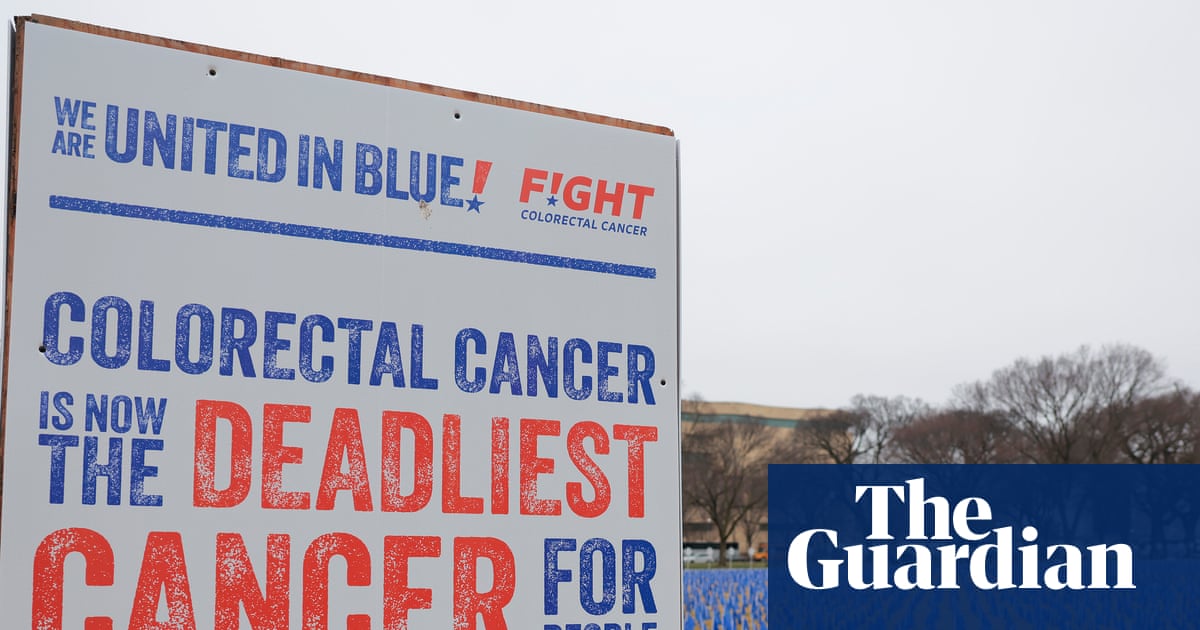
Rising Colon Cancer in Young Adults: Insurance Hurdles for Diagnosis
A 35-year-old Florida software engineer, identified only as Dominick, faced a sudden cancellation of his insurance-approved colonoscopy just hours before the procedure, highlighting a growing challenge for younger Americans experiencing symptoms of colorectal cancer. His insurance company reclassified the colonoscopy as a “diagnostic” rather than a “preventative” test, resulting in an estimated $2,000 out-of-pocket expense.
Dominick’s experience reflects a broader issue: rising rates of colorectal cancer among adults under 45, coupled with insurance hurdles to accessing timely diagnostic testing. While the Affordable Care Act (ACA) mandates coverage for colonoscopies for those over 45, based on recommendations from the U.S. Preventive Services Task Force, individuals experiencing symptoms like rectal bleeding or changes in bowel habits before that age often find their colonoscopies categorized as diagnostic, leading to significantly higher costs and potential delays in care.
“For people under 45, if you have symptoms like rectal bleeding, a colonoscopy would be considered a diagnostic test, and so it’s not going to be covered in the same way as a screening test would be,” explained Caitlin Murphy, a cancer epidemiologist and professor at the University of Chicago. The amount insurance plans will cover for a diagnostic colonoscopy varies considerably.
The increasing incidence of colorectal cancer in younger adults is prompting concern among medical professionals. Research indicates a disproportionately higher increase in cases among those in their 20s and 30s compared to those in their 40s, even as rates decline in older populations. Paul Brennan of the International Agency for Research on Cancer noted the shift, stating the increase is “proportionally a lot higher among adults in their 20s and 30s, as opposed to 40s.”
The American Cancer Society reported in early March 2026 that colorectal cancer rates are surging in people under 65, with nearly half of new diagnoses now occurring in this age group, up from 27% in 1995. Rectal cancer diagnoses, specifically, are rising across all age groups, now accounting for nearly one-third of all colorectal cancer cases.
The challenges extend beyond cost. Murphy described a common scenario where young patients experience lengthy delays in diagnosis. “It’s awful. I hear at least once a week, someone who has had symptoms for years, and they get stuck in these referral loops,” she said. Symptoms are often initially attributed to less serious conditions like hemorrhoids or dismissed as post-partum issues, delaying crucial evaluations.
The debate over lowering the recommended screening age to below 45 is ongoing. The screening age was lowered to 45 in recent years, but further reductions are being considered. Rebecca Siegel, an epidemiologist at the American Cancer Society, acknowledged past resistance to lowering the age, with concerns raised about diverting resources from older adults at higher risk and potentially exacerbating health disparities. However, Siegel noted that data since the age was lowered to 45 suggests earlier screening has likely helped more patients catch their cancer earlier.
Lowering the screening age is complicated by logistical constraints, including a limited number of gastroenterologists and the inherent risks associated with colonoscopies. Alternatives, such as stool tests like Cologuard, may offer a faster path to diagnosis for those under 45 struggling to obtain insurance approval for colonoscopies, Murphy and Siegel suggested.
Both Murphy and Siegel advocate for increased awareness of colorectal cancer symptoms and greater investment in research to identify the underlying causes of the rising incidence. Murphy emphasized the need to explore the “exposome” – the totality of an individual’s lifetime exposures – using advanced technologies like mass spectrometry to identify potential contributing factors. “We want to be careful not to chase this problem with lowering the screening age at the cost of ignoring what might be causing it,” she said.