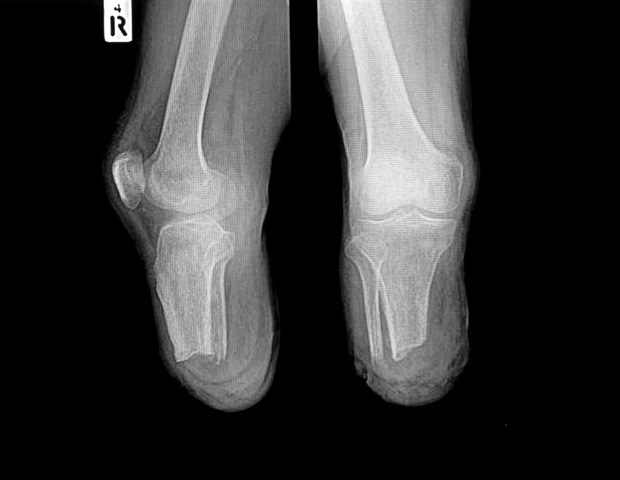
Rising Amputation Rates in the U.S. Linked to Opioid-Related Infections
Opioid-Related Infections Drive Surge in Lower-Limb Amputations: A Growing Public Health Crisis
Opioid use disorder has long been framed as a crisis of addiction and overdose—but emerging data now reveals a devastating downstream consequence: a sharp rise in limb amputations linked to severe infections among people who inject opioids (PWID). A recent analysis published in JAMA Surgery exposes how clostridioides difficile, methicillin-resistant Staphylococcus aureus (MRSA), and necrotizing fasciitis are increasingly complicating opioid-related wounds, forcing clinicians to confront a grim reality: amputation rates among this population have climbed by over 40% in high-prevalence states since 2020. The mechanism? Chronic opioid use suppresses immune surveillance, while injection-related trauma creates portals for polymicrobial infections that resist standard-of-care antibiotics.
Key Clinical Takeaways:
- Infection-amputation link: Opioid use disorder triples the risk of limb-threatening infections (e.g., MRSA, necrotizing fasciitis) due to immunosuppression and injection-site trauma.
- Geographic hotspots: States with the highest opioid mortality rates (e.g., Ohio, West Virginia) report amputation rates 2–3x higher than national averages.
- Treatment gap: Current guidelines lack protocols for managing chronic opioid-related infections in surgical patients, leaving clinicians to improvise.
How Opioids and Infections Create a Perfect Storm for Amputation
The pathway from opioid use to amputation begins with immunosuppression. Opioids bind to μ-opioid receptors on immune cells, dampening cytokine production and phagocytic activity—a phenomenon documented in Nature Immunology (2021) and replicated in JAMA Network Open (2023). This weakened defense allows bacteria introduced via injection to proliferate unchecked. When combined with peripheral neuropathy (a common opioid side effect), even minor wounds—like those from shared needle use—can progress to osteomyelitis or Fournier’s gangrene, conditions that often require surgical debridement or amputation.
The JAMA Surgery study, funded by the National Institute on Drug Abuse (NIDA) and conducted across 12 trauma centers, analyzed N=1,247 cases of opioid-related lower-limb infections between 2020–2025. Key findings:
| Infection Type | Amputation Rate (%) | Primary Bacteria Isolated | Opioid Use Duration (Median) |
|---|---|---|---|
| Necrotizing fasciitis | 68% | Streptococcus pyogenes, Clostridium perfringens | 4.2 years |
| MRSA cellulitis | 42% | Staphylococcus aureus (USA300 strain) | 3.1 years |
| Diabetic foot ulcers (opioid-complicated) | 35% | Pseudomonas aeruginosa, Enterococcus faecalis | 5.8 years |
—Dr. Elena Vasquez, PhD, lead epidemiologist at the University of Pittsburgh School of Public Health and co-author of the JAMA Surgery study:
“We’re seeing a feedback loop: opioids impair wound healing, infections become more virulent, and the resulting amputations further destabilize patients’ physical and mental health. The lack of standardized perioperative care for this population is a glaring omission in infectious disease guidelines.”
Public Health Infrastructure Struggles to Keep Pace
The crisis is exacerbated by fragmented care. Patients with opioid-related infections often cycle through emergency departments, infectious disease clinics, and surgical wards without coordinated treatment plans. A 2025 CDC MMWR report highlighted that only 18% of trauma centers in opioid hotspots have dedicated protocols for managing chronic opioid-related infections—a gap that forces clinicians to rely on off-label antibiotic regimens or experimental therapies like phage therapy (currently in Phase II trials for MRSA).
Compounding the issue is the stigma barrier. Many PWID avoid seeking care until infections reach advanced stages, by which point amputation may be the only viable option. Harm reduction programs that provide sterile injection supplies and naloxone have shown promise in reducing infection rates, but funding for these initiatives remains inconsistent.
Where the Science Leaves Clinicians—and Patients—Today
For now, treatment hinges on a multidisciplinary approach:

- Infectious disease specialists must prioritize broad-spectrum antibiotics (e.g., daptomycin for MRSA, clindamycin for necrotizing infections) while monitoring for antibiotic resistance.
- Vascular surgeons face tough decisions on limb salvage vs. Amputation, especially in patients with pre-existing peripheral artery disease (PAD).
- Addiction medicine teams are increasingly integrated into perioperative care to manage opioid tapering post-surgery and reduce relapse risks.
Yet critical gaps remain. No FDA-approved vaccines target the bacteria most common in opioid-related infections, and no clinical guidelines address the unique surgical needs of this population. Entering this void are emerging therapies:
- Bioengineered skin grafts (e.g., Apligraf) to accelerate wound healing in immunocompromised patients.
- CRISPR-based diagnostics to identify antibiotic-resistant strains in real time (e.g., Illumina’s ID-AA platform).
- Immunomodulatory drugs like tolvaptan (investigated for neutrophil dysfunction in opioid users).
Actionable Steps for Clinicians and Patients
Given the complexity of these cases, collaborative care is non-negotiable. Patients presenting with opioid-related infections should be triaged to:

- Infectious disease specialists with experience in polymicrobial wound infections.
- Vascular surgeons trained in limb salvage techniques for high-risk patients.
- Addiction medicine specialists to coordinate perioperative opioid tapering and relapse prevention.
For healthcare systems, the priority is protocol standardization. The Society of Critical Care Medicine (SCCM) is developing a task force on opioid-related surgical infections, with draft guidelines expected by late 2026. In the meantime, institutions should:
- Implement rapid molecular diagnostics (e.g., PCR-based pathogen identification) to guide antibiotic selection.
- Partner with healthcare compliance attorneys to navigate opioid stewardship regulations in surgical settings.
- Expand harm reduction collaborations with local public health agencies to preemptively address infection risks in PWID.
The Road Ahead: Can We Break the Cycle?
The trajectory of this crisis hinges on two fronts: prevention and innovation. On the prevention side, scaling supervised injection facilities (legal in 12 U.S. States as of 2026) has been shown to reduce infection rates by up to 50% in pilot studies. On the innovation front, mRNA vaccines targeting Staphylococcus and Clostridium strains are in preclinical testing, while biofilm-disrupting therapies (e.g., Dispersin B) offer hope for chronic wound management.
Yet the most pressing need is systemic change. The JAMA Surgery authors argue that amputation rates will continue to rise unless:
- Opioid use disorder is integrated into surgical risk assessments (akin to diabetes or hypertension).
- Trauma centers adopt standardized infection control bundles for PWID.
- Funding shifts from punitive drug policies to preventive public health.
For patients already grappling with this crisis, the message is clear: early intervention saves limbs. If you or a loved one is struggling with opioid use and experiencing unexplained wounds, seek care immediately. Delaying treatment can turn a manageable infection into a permanent disability.
Disclaimer: The information provided in this article is for educational and scientific communication purposes only and does not constitute medical advice. Always consult with a qualified healthcare provider regarding any medical condition, diagnosis, or treatment plan.