Rise in Serious STI Diagnoses in IJsselland Region
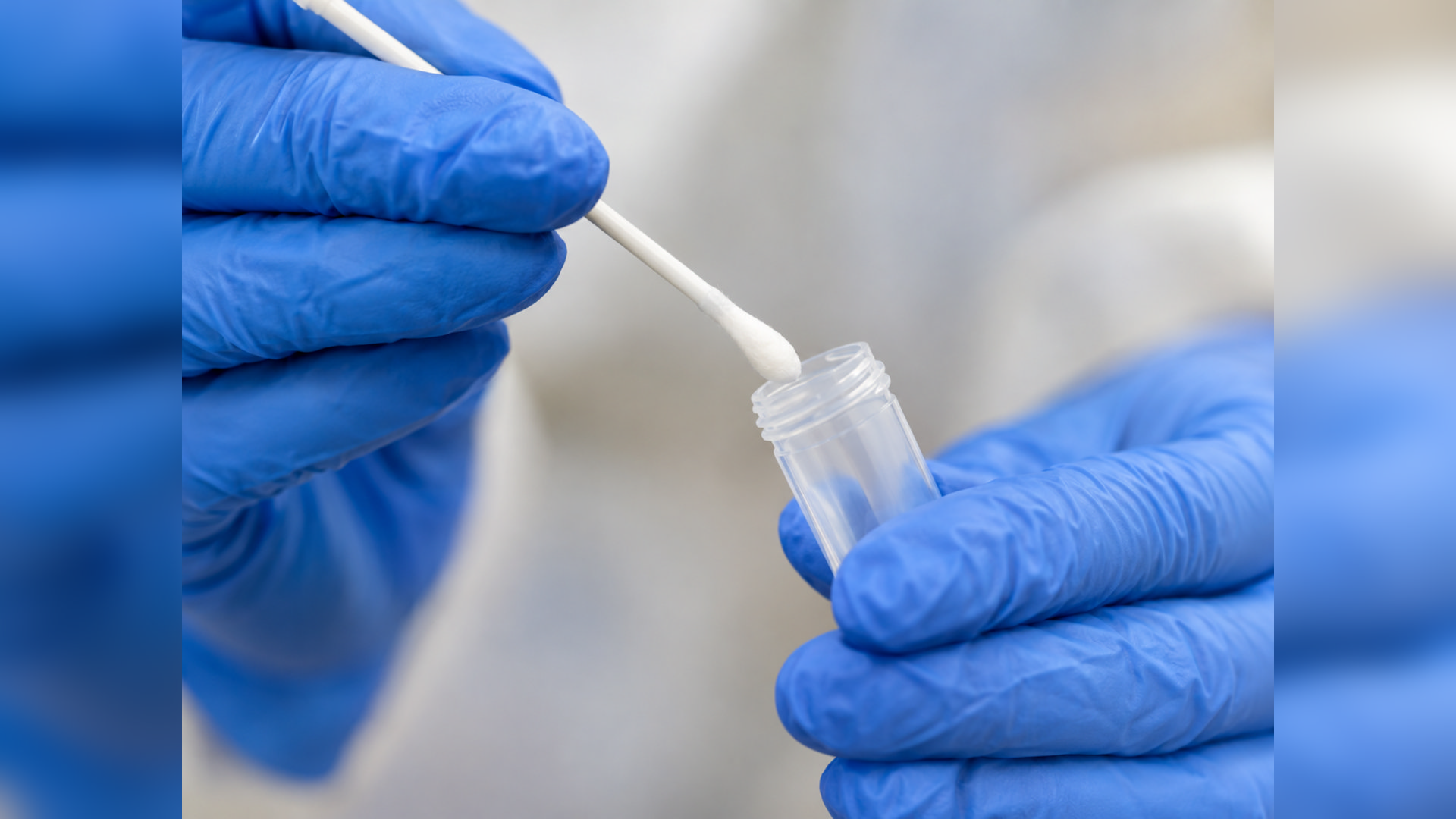
GGD IJsselland recorded 98 cases of syphilis in 2025, more than double the 47 cases registered the previous year, according to the annual sexual health review published by the regional health service. Alongside the surge in syphilis, the agency documented increases in HIV and hepatitis B diagnoses across the region, even as the overall positivity rate among clinic visitors declined.
- Syphilis diagnoses climbed from 47 in 2024 to 98 in 2025 across GGD IJsselland consultations.
- The overall positivity rate among patients tested at sexual health clinics fell from 27.9 percent to 24.6 percent.
- HIV diagnoses doubled from four to eight cases, while hepatitis B registered four new infections after zero cases the prior year.
Rising Syphilis and HIV Numbers in Regional Consultations
The annual overview, titled the Thermometer Seksuele Gezondheid, details a sharp upward trajectory in severe sexually transmitted infections throughout the IJsselland jurisdiction. GGD IJsselland conducted 2,373 standard STI consultations during 2025, alongside an additional 813 consultations dedicated to pre-exposure prophylaxis (PrEP), the medication designed to prevent HIV infection in high-risk individuals. Within this clinical volume, syphilis cases climbed to 98. HIV diagnoses doubled from four cases in 2024 to eight cases in 2025. Hepatitis B was identified in four patients, contrasting with zero registered cases during the preceding twelve-month period.
Vera van Uem, an infectious disease control physician at GGD IJsselland, described the overall development as concerning given the potential long-term morbidity associated with untreated bacterial and viral pathogens. “With good STI care we can detect and treat infections early,” van Uem stated. “With that we not only help the person themselves, but we also prevent further spread of STIs. That is how we protect the health of the entire region.” Clinical management for these specific pathogens typically demands prompt antimicrobial or antiviral intervention, combined with comprehensive partner notification protocols to halt transmission chains.
Lower Positivity Rates Amid Targeted Screening
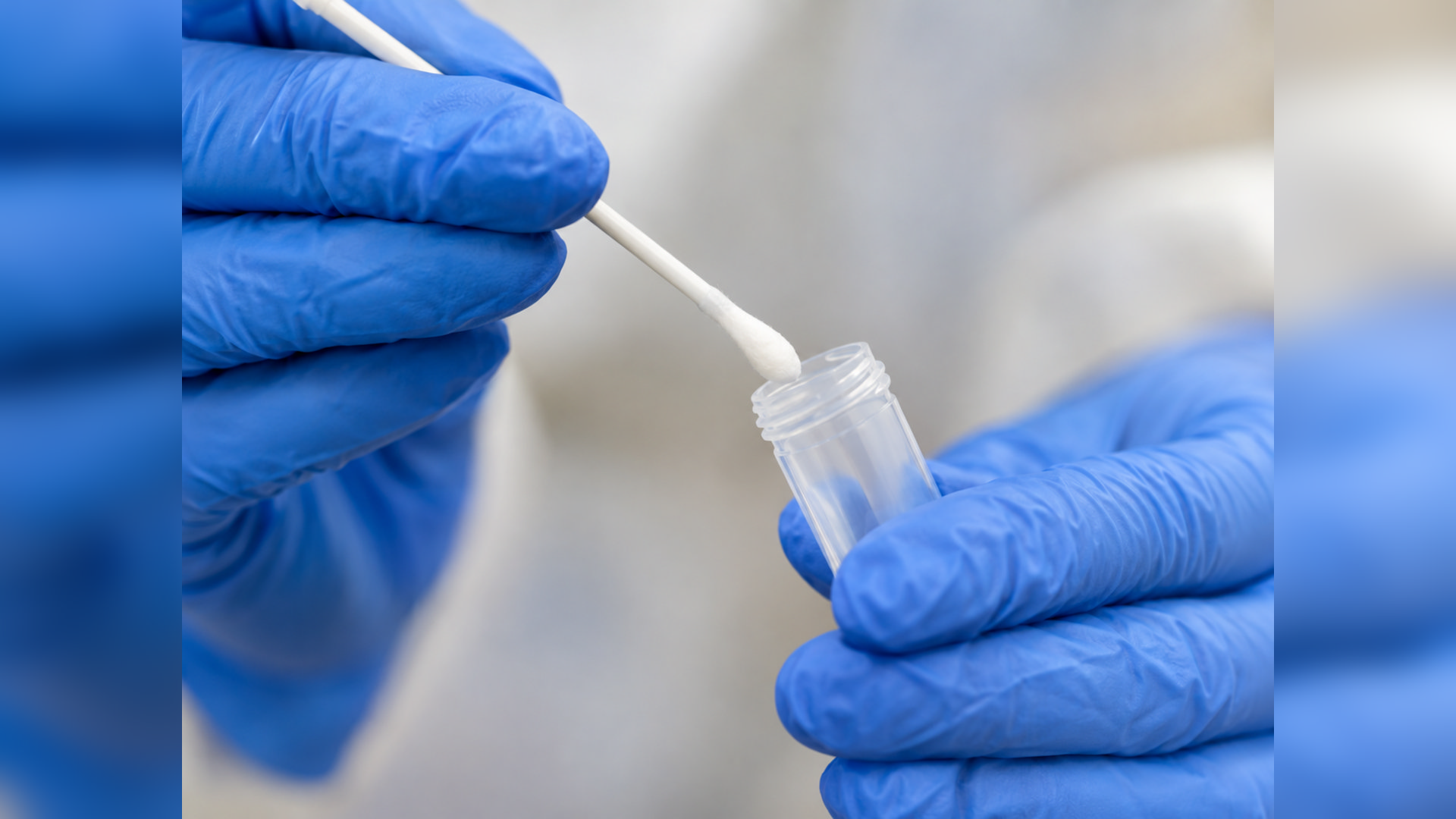
Despite the absolute increase in diagnosed cases of syphilis, HIV, and hepatitis B, the proportion of clinic visitors testing positive for any STI decreased. In 2025, 24.6 percent of individuals visiting the STI clinic received a positive diagnosis for one or more infections. That figure represents a drop from the 27.9 percent positivity rate recorded in 2024. Nevertheless, GGD IJsselland maintained the highest positivity rate in the eastern Netherlands, remaining above the broader regional average of 20.1 percent.
According to the health service data, this lower percentage does not indicate a shrinking disease reservoir. Instead, health officials interpret the metric as evidence that clinic outreach successfully engages populations facing elevated epidemiological risk. When testing focuses effectively on high-vulnerability cohorts, absolute case counts can rise while the broad screening yield fluctuates.
GGD IJsselland Expands Youth Education and Consultation Services
Beyond diagnostic testing and treatment protocols, GGD IJsselland expanded its prevention and educational programming through 2025. The agency trained 490 professionals in relational and sexual education and provided peer-educator instruction to 190 vocational (MBO) students. Public health campaigns timed around Valentine’s period, the summer season, Coming Out Day, and Purple Friday reached more than 3,000 young people.
Adolescent utilization of the free and anonymous Sense consultation service also increased. The clinic recorded 161 Sense consultations in 2025, compared to 135 during the prior year. These specialized sessions provide counseling on contraception, relationship dynamics, sexual orientation, gender identity, and early experiences. Complete epidemiological data and programmatic metrics remain accessible to regional stakeholders via the online IJssellandScan portal.
Disclaimer: The information provided in this article is for educational and scientific communication purposes only and does not constitute medical advice. Always consult with a qualified healthcare provider regarding any medical condition, diagnosis, or treatment plan.