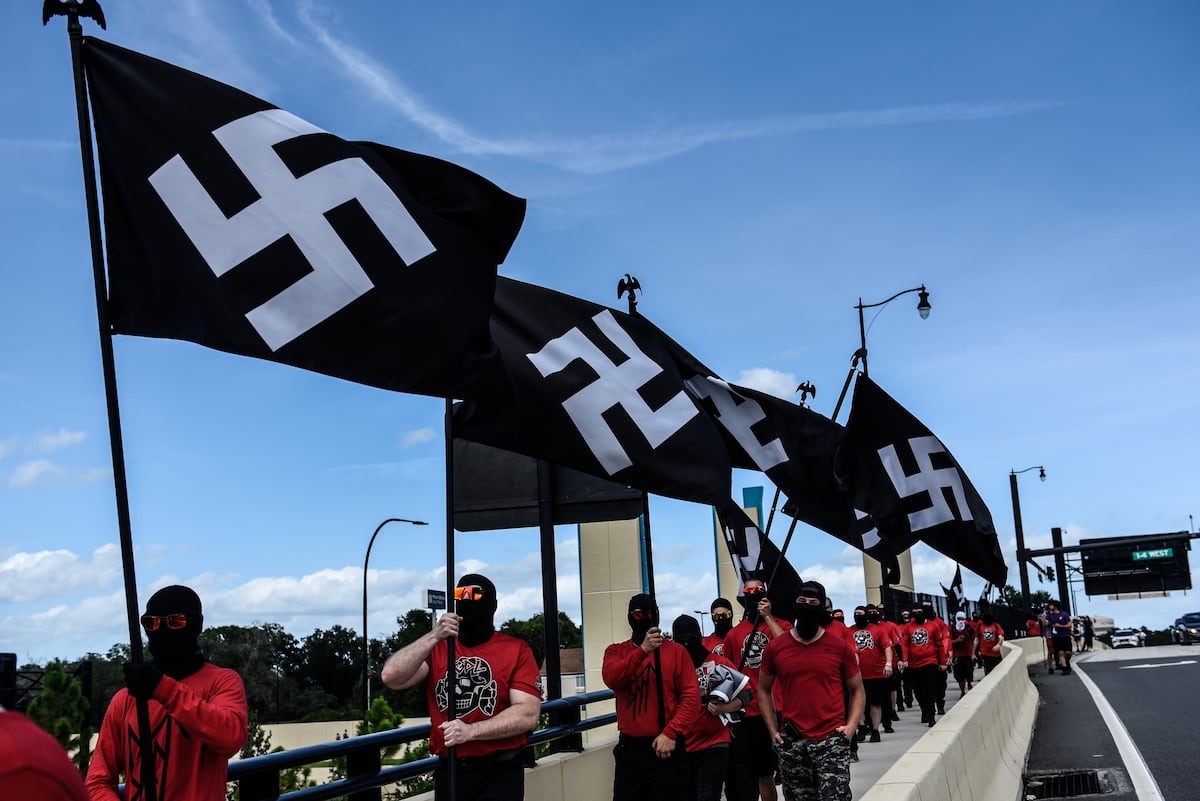
Rise in Far-Right Threats & Violence: 2025 Sees 33.8% Surge in Global Extremist Incidents
As of May 14, 2026, far-right extremist violence surged globally in 2025, with 190 recorded incidents—up 33.8% from 142 in 2024—according to the Spanish Observatorio Internacional de Estudios sobre Terrorismo (OIET). Nineteen of these escalated into physical violence, marking a shift from threats to direct attacks. The rise correlates with normalization of extremist rhetoric in Europe, where far-right parties now govern in Italy and the Netherlands, while online radicalization accelerates via unregulated social media platforms. Municipalities and businesses in affected regions now face heightened security costs, legal liabilities, and reputational risks.
The Problem: A Crisis of Normalization
Far-right extremism is no longer a fringe phenomenon—it’s a mainstream political force with violent offshoots. The OIET’s data reveals a 33.8% spike in incidents, but the deeper concern lies in the context: extremist parties now hold power in Italy (Giorgia Meloni’s government) and the Netherlands (Geert Wilder’s coalition), while Hungary and Poland have institutionalized anti-immigrant policies under far-right leadership. This creates a feedback loop: political legitimacy emboldens fringe groups, which then justify their violence as “patriotic defense.”
The economic toll is immediate. Cities like Rome and Amsterdam now allocate 20-30% more of their security budgets to counter far-right threats, diverting funds from social services. Meanwhile, businesses in high-risk areas—particularly those employing immigrant workers—report a 15% increase in harassment cases since 2024, forcing some to relocate or downsize.
“The normalization of far-right rhetoric in government has created a permissive environment for violence. When political leaders use language that dehumanizes minorities, it’s not just words—it’s a green light for extremists.”
Geographic Hotspots: Where the Risk Concentrates
The OIET’s report highlights three regions where far-right violence is most acute:
- Western Europe: Italy and the Netherlands lead in political normalization, but Germany and France see rising street-level violence. The German Federal Criminal Police reported a 40% increase in far-right attacks in 2025, targeting mosques, LGBTQ+ centers, and refugee shelters.
- Eastern Europe: Hungary and Poland use state power to suppress dissent, while far-right militias operate with impunity. In Poland, local NGOs report a 25% rise in attacks on journalists covering extremist activities.
- Latin America: Brazil’s far-right government has seen a parallel surge, with 120 far-right incidents in 2025, including coordinated attacks on Indigenous land defenders.
The Legal and Economic Fallout
Governments are scrambling to respond, but legal frameworks struggle to keep pace. The European Union’s 2024 Counter-Terrorism Directive expanded penalties for extremist incitement, but enforcement varies by country. In Italy, Meloni’s government has watered down hate speech laws, citing “free speech,” while far-right militias exploit legal gray areas to organize.
Businesses operating in high-risk zones face three critical challenges:
- Security costs: Companies in Berlin, Rome, and São Paulo now spend €500,000–€2M annually on private security, with no guarantee of protection.
- Insurance risks: Standard policies now exclude coverage for far-right attacks, forcing businesses to seek specialized political risk insurance.
- Reputational damage: Brands linked to far-right events (e.g., sponsorships of nationalist rallies) suffer boycotts, with 42% of consumers avoiding companies perceived as complicit.
“The legal system is broken. Far-right groups exploit loopholes in hate speech laws, and courts in countries like Hungary and Poland are politicized. Businesses need independent legal counsel that understands these nuances.”
Solutions: Who’s Equipped to Respond?
The rise of far-right violence demands a multi-layered response. Here’s who is already stepping up:
- Counter-Extremism Organizations: Groups like Spotlight on Hate and ADL provide real-time monitoring and legal support to at-risk communities. For businesses, vetted counter-extremism NGOs offer threat assessments and crisis communication training.
- Specialized Security Firms: Private security companies with experience in high-risk zones—such as G4S or Oliver Wyman’s risk division—are adapting to far-right threats. Local businesses should consult security firms specializing in political violence mitigation.
- Legal Defense Networks: Law firms like Rossi & Associates focus on anti-extremism litigation, helping clients navigate hate crime laws and defamation risks. Municipalities are also hiring public safety attorneys to review local ordinances for extremism-related vulnerabilities.
The Long-Term Risk: A Contagion Effect
The OIET warns that far-right violence is becoming contagious. When one country normalizes extremism, others follow. The Netherlands’ 2025 election results sent shockwaves through Europe, while Brazil’s far-right government has inspired copycat movements in the U.S. And Canada. The CIA’s 2026 World Threat Assessment flags this as a “transnational security risk,” noting that far-right groups now share tactics across borders via encrypted platforms.
For communities and businesses, the question is no longer if this will affect them, but when. The good news? Proactive measures—from legal audits to security overhauls—can mitigate the damage. The bad news? The window to act is closing.
Final Kicker: History shows that societies either confront extremism early or pay the price later. The businesses and governments leading today’s response will define the safety of tomorrow’s world. To find verified professionals equipped to handle this crisis, explore World Today News’ global directory—where expertise meets urgency.