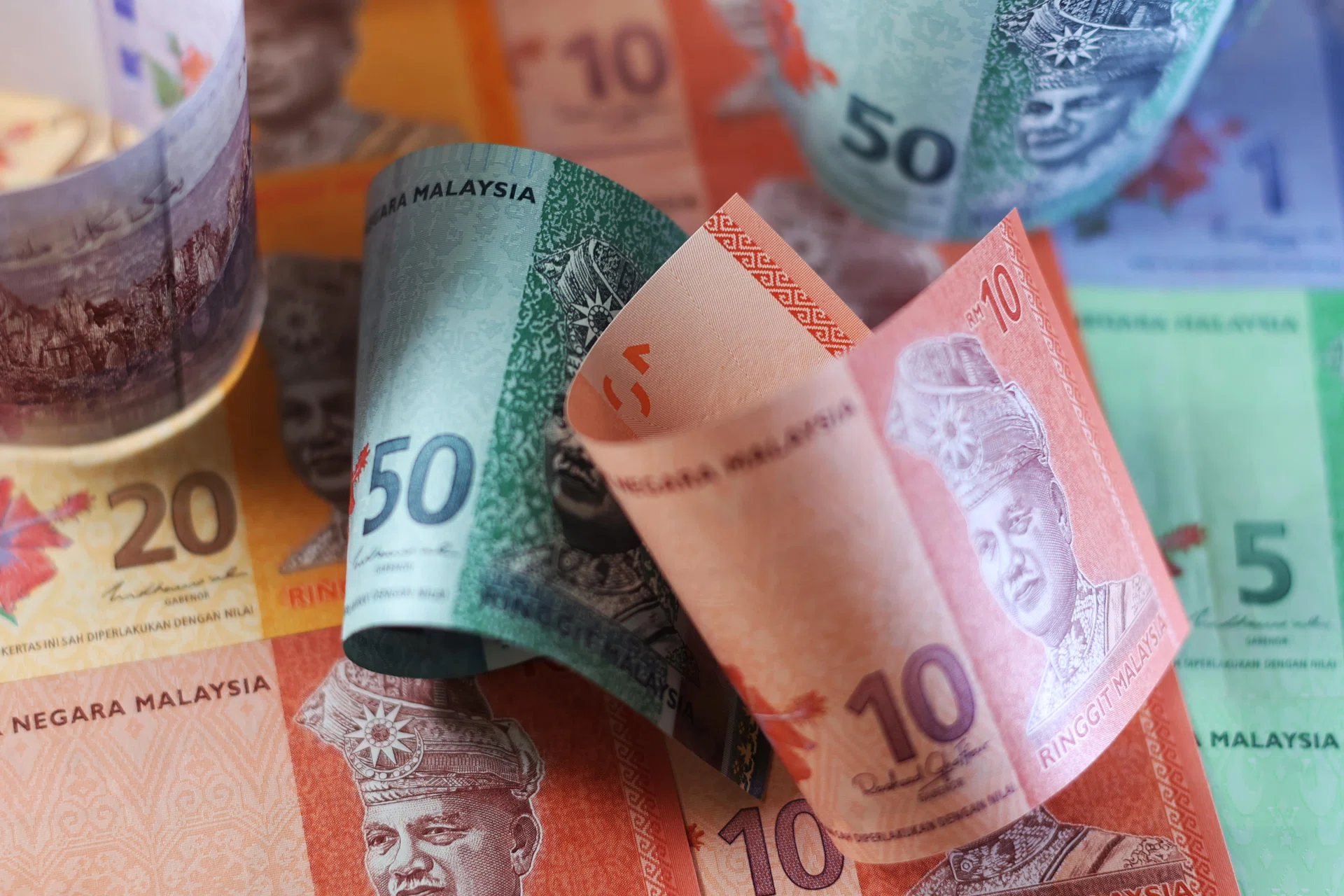
Ringgit Hits Seven-Month Low Amid Fed Rate Fears
The Malaysian ringgit hit a seven-month low of 4.72 per USD on June 21, 2026, despite record foreign bond inflows of $3.1 billion in May, as Federal Reserve rate cut expectations evaporated amid persistent U.S. inflation data. Bank Negara Malaysia (BNM) has signaled stronger intervention measures, but traders question whether liquidity tools alone can offset the widening yield differential with U.S. Treasuries—now at 125 basis points.
Why is the ringgit weakening despite Malaysia’s record bond inflows?
The paradox stems from a liquidity trap: while foreign investors poured $3.1 billion into Malaysian government bonds in May—per the latest Bank Negara Malaysia (BNM) foreign reserve report—the ringgit’s depreciation reflects deeper structural pressures. The U.S. 10-year Treasury yield surged to 4.35% this week, erasing expectations of Fed rate cuts by year-end. “Malaysian bonds are now priced as a carry trade play, not a safe haven,” said Rajiv Mehta, head of fixed income at Maybank Investment Bank, in a June 20 earnings call transcript. “The premium for holding MYR assets has collapsed.”
Key data: The MYR/USD pair has lost 6.2% year-to-date, underperforming ASEAN peers like the Thai baht (down 3.8%) and Indonesian rupiah (down 4.5%), according to Bloomberg’s FX index. Meanwhile, Malaysia’s foreign exchange reserves remain robust at $121.5 billion (as of June 15), but the central bank’s 2025 annual report notes a 12% decline in short-term capital inflows since Q1 2026.
How does this compare to past Fed-driven currency shocks?
2013 Taper Tantrum: The ringgit fell 11% in three months as the Fed signaled quantitative tightening. Malaysia’s current account surplus (now at 3.1% of GDP, per World Bank data) is half the 6.3% surplus in 2013, reducing its shock absorber.

2022 Ukraine War: The MYR depreciated 10% as global commodity prices surged, but BNM’s foreign currency reserves were 30% higher than today’s $121.5 billion. “The reserve buffer is real, but the Fed’s policy stance is the wild card,” warned Lim Eng Hwee, CEO of OCBC Bank Malaysia, in a June 19 interview with The Edge Malaysia.
What’s Bank Negara Malaysia’s playbook—and will it work?
BNM’s toolkit includes administrative measures (e.g., tightening export financing rules) and monetary policy adjustments, but the central bank’s hands are tied by Malaysia’s inflation target of 3% (±1%). “They can’t cut rates aggressively without risking a currency spiral,” said Mehta. The last time BNM intervened directly in FX markets was in 2015, when it sold $1.5 billion to prop up the ringgit—an unsustainable move given today’s $1.2 trillion daily global FX turnover.
Emerging solutions: Malaysian corporates are turning to [Relevant B2B Firm: FX Hedging Platforms] to lock in rates, while sovereign wealth fund KWAP has quietly increased its allocation to U.S. dollar-denominated assets. “The ringgit’s weakness is a forced diversification play,” noted Lim. “But without Fed easing, the carry trade math doesn’t add up.”
What happens next: Three scenarios for Q3 2026
- Fed pivot (30% probability): If U.S. CPI drops below 3% in July, the MYR could rebound to 4.50/USD by September. CME FedWatch currently prices in a 50% chance of a 25bp cut by December.
- Stagnant yields (50% probability): The ringgit tests 4.80/USD, triggering BNM to impose capital controls on short-term inflows. Malaysia’s Securities Commission has already tightened rules on foreign retail investors.
- Global risk-off (20% probability): A U.S. recession pushes the MYR to 5.00/USD, forcing BNM to hike rates to 4.25%—the first increase since 2019. This would crush Malaysia’s EBITDA margins in export-driven sectors like electronics (currently at 18%, per Maybank Kim Eng’s Q2 report).
The B2B opportunity: How firms are adapting
As the ringgit’s volatility spikes, Malaysian businesses are prioritizing three areas:

- FX Risk Mitigation: Multinational corporates are partnering with [Relevant B2B Firm: Treasury Management Consultants] to restructure debt into dual-currency bonds, reducing reliance on MYR-denominated financing. Petronas, for example, issued $1.2 billion in USD-denominated sukuk in May, fetching a yield of 4.8%—150bps below Malaysian government bonds.
- Supply Chain Reshoring: Electronics manufacturers like Lex Electronics are accelerating plans to move production from China to Malaysia, leveraging [Relevant B2B Firm: Nearshoring Logistics Providers] to cut costs by 12–18%. The Malaysian government’s National Investment Aspirations 2050 targets $200 billion in manufacturing investments by 2030.
- Legal & Compliance: Firms with cross-border exposure are consulting [Relevant B2B Firm: International Tax & Compliance Law Firms] to navigate BNM’s evolving FX regulations. “The new rules on export proceeds repatriation are a minefield,” said Tan Su-Lyn, partner at Azeria Law, in a June 22 memo to clients.
The bottom line: A test of Malaysia’s economic resilience
The ringgit’s weakness is less about Malaysia’s fundamentals and more about the Fed’s quantitative tightening timeline. With U.S. real yields at 2.5%—double Malaysia’s 1.2%—the carry trade math is broken. BNM’s options are limited: either accept a weaker currency (risking inflation) or tighten monetary policy (risking a growth slowdown). “This is a classic liquidity trap,” said Mehta. “The only way out is for the Fed to blink—and that’s not priced in yet.”
Sources: Bank Negara Malaysia (2026 FX reserves), Bloomberg Terminal (MYR/USD historical), Maybank Investment Bank (Q2 earnings call), OCBC Bank Malaysia (June 19 interview), World Bank (current account data), CME FedWatch (rate cut probabilities).